 EN
EN


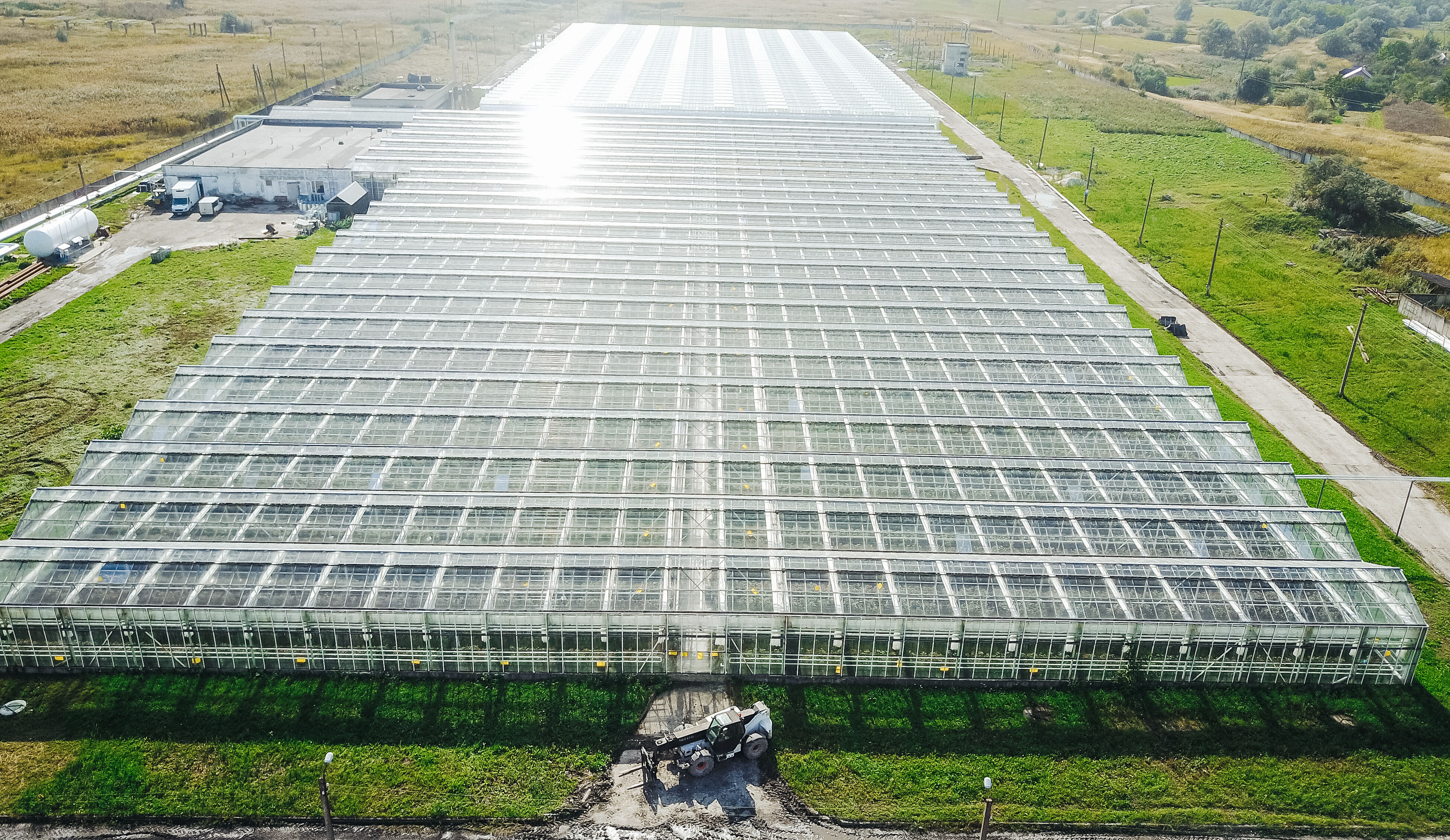
Understanding the Types of Green Houses for Sale
Freestanding vs. Attached Greenhouses: Matching Structure to Space
Freestanding greenhouses give growers plenty of options when it comes to where they go and how big they can be, which works well for folks who have room in their yards. For those with limited space, attached greenhouses like lean-tos or ones mounted against windows make sense because they get more sun and save on heating costs since they share a wall with the house. A recent survey from Greenhouse Management Magazine found that around 7 out of 10 city dwellers opt for these attached versions mainly because they take up less ground space. Meanwhile, people living in suburbs tend to stick with freestanding models more often. Why? They're generally easier to install and leave room for expanding later if needed.
Common Greenhouse Shapes and Their Functional Benefits
The shape of a greenhouse influences light distribution, structural strength, and climate resilience:
| Shape | Light Transmission | Best Use Case | Cost Range |
|---|---|---|---|
| Quonset (hoop) | 85–90% | Snow-prone regions | $800–$2,500 |
| Gable | 92–95% | Seed starting | $3,000–$15,000 |
| Gothic arch | 88–93% | High-wind areas | $2,200–$7,000 |
As highlighted in the 2024 Greenhouse Design Report, gable roofs provide superior light diffusion, making them particularly effective for seedling development.
Hoop Houses and Budget-Friendly Models on the Market
Hoop houses dominate the sub-$1,500 market, typically constructed with polyethylene-covered steel frames that last 5–7 years. While less durable than rigid glazing options, they offer 80% light transmission at roughly one-third the cost of polycarbonate or glass alternatives—making them a practical choice for seasonal growers testing long-term greenhouse use.
Permanent vs. Temporary Structures: Long-Term Value Considerations
Permanent greenhouses built with aluminum or galvanized steel retain 60–70% of their value after 10 years, according to the Urban Farming Institute (2023). For year-round cultivation, investing in double-walled polycarbonate panels and concrete foundations can reduce heating costs by up to 40% compared to single-layer film setups, significantly improving long-term efficiency.
Evaluating Materials in a Quality Green House for Sale
Choosing the right materials is critical to ensuring durability, energy efficiency, and optimal plant growth. The combination of frame and glazing directly affects performance across climates and seasons.
Greenhouse Coverings: Glass, Polycarbonate, and Polyethylene Compared
Regular glass lets through about 90 to 95 percent of sunlight, making it great for plants that need lots of sun exposure. However, it can crack easily when something hits it harder than around 20 pounds per square inch. Twin wall polycarbonate isn't quite as transparent at roughly 80% light transmission, but what it lacks in clarity it makes up for in toughness. This material can withstand impacts about 200 times stronger than regular glass and stays stable even when temperatures swing from below freezing at -40 degrees Fahrenheit all the way up to a scorching 120 degrees. For those looking for something cheaper and more flexible, polyethylene film remains popular for temporary setups despite its short lifespan. Most gardeners find that these plastic films start breaking down after just two to five years of use, so they're better suited for seasonal projects rather than permanent installations.
Frame Materials: Wood, Aluminum, Steel, and PVC Durability
Steel frames that have been galvanized can handle around 50 pounds per square foot of snow weight, which beats what aluminum can manage at about 35 pounds per square foot. Cedar wood has natural rot resistance lasting roughly 15 to 20 years even without chemical treatments, though it does need some sealing now and then to keep performing well. For areas near saltwater, aluminum stands out because it doesn't corrode easily. On the other hand, PVC material works best for tiny projects where stress isn't much of a concern. The problem with PVC comes when temperatures climb past 140 degrees Fahrenheit as it tends to start warping under heat.
Glazing Options: Balancing Light Transmission and Strength
Double-layered polycarbonate reduces heat loss by 40% compared to single-pane glass, enhancing energy efficiency. Textured glazing diffuses sunlight to minimize leaf scorching, and UV-coated panels block 99% of harmful rays while preserving photosynthetic light levels.
Material Performance Across Different Climates
Coastal areas tend to favor aluminum frames because they hold up better against salt air corrosion, while galvanized steel remains the go to choice where strong winds are common. Studies indicate that greenhouses built with polycarbonate panels suffer around thirty percent less thermal stress compared to traditional glass models when exposed to desert heat extremes. For places that get heavy snowfall, arched roof structures constructed from roughly 6mm thick acrylic sheets generally handle about seventy percent more accumulated snow weight than their flat topped counterparts, making them far safer during winter months.
Top Places to Buy a Green House for Sale
Direct from Manufacturers: Pros, Cons, and Pricing
When purchasing straight from the factory, customers get the benefit of custom options plus bigger discounts for bulk purchases sometimes as much as twenty percent off large orders. Plus, many manufacturers offer equipment designed specifically for different climate zones which helps with energy efficiency. But there is a catch. Wait times usually run longer than four to six weeks, and getting these items shipped might tack on anywhere between five hundred to fifteen hundred bucks extra based on how big the order is. According to some research published last year by Valuates Reports, people who go for these direct factory buys tend to spend around twelve to eighteen percent less each year on their heating bills compared to standard models.
Online Retailers and Specialty Garden Stores
Amazon and Wayfair are great spots to find good deals on greenhouses with pretty quick shipping too most arrive within 7 to 14 days when they're already put together. Some specialty stores go the extra mile by putting together kits that work best for certain types of plants, think orchids or veggies for example. Want to really compare all the details? Look at things like how long the warranty lasts, what kind of air circulation systems they have, and the materials used. The Eartheasy greenhouse buyer's guide from 2024 covers these points across over 15 different brands in great detail. It's worth checking out if making an informed decision matters to anyone considering purchasing one of these structures.
Local Nurseries and Garden Centers as Trusted Suppliers
Local garden centers aren't just places to buy plants they also offer real help when needed. Their staff often walks customers through setup processes in person, which cuts down on mistakes during installation by around a third compared to trying to do it all alone at home. Most stores run special deals throughout the year, usually giving about 10 to 15 percent off products in the spring months. They'll also test soil samples for free, something that can really make or break a planting season. Sure, prices tend to be 5 to 10 percent higher than what's listed online, but according to a recent survey from last year, over eight out of ten gardeners said getting advice from knowledgeable staff was worth every extra dollar spent.
Critical Features to Evaluate Before Purchasing
Ventilation and Climate Control for Plant Health
Good air movement stops mold from growing, keeps temperatures stable, and helps plants grow properly. Research from the University of Agriculture back in 2022 showed something interesting about greenhouse design. Greenhouses with those adjustable roof vents plus automatic louvers saw seedlings survive at a rate 40% higher than ones with fixed ventilation systems. The type of ventilation really matters depending on where you live. For places with lots of humidity, cross ventilation tends to do the trick better. But if it's super dry out there, then exhaust fans make more sense for proper air circulation.
Structural Strength: Wind and Snow Load Ratings
When looking at greenhouses for sale, it's important they meet the ANSI/UL 580 standards for wind resistance, which means at least 90 mph winds in most parts of the country. They should also be built to handle whatever snow loads are required locally. Greenhouses made with polycarbonate panels and steel frames generally can take around 30 to 50 pounds per square foot of snow weight. That's actually quite a bit better than the typical polyethylene hoop houses out there, which usually max out at just 15 to 20 pounds per square foot before showing signs of stress. For folks living in areas with heavy winter snowfall, this difference really matters when considering long term durability.
Sizing and Layout: Aligning with Your Gardening Goals
| Garden Type | Ideal Size | Key Layout Features |
|---|---|---|
| Seed Starting | 6x8 ft | Shelving, propagation mats |
| Year-Round Crops | 12x16 ft+ | Raised beds, walkway spacing |
| Specialty Plants | Custom | Shade zones, humidity controls |
Choose dimensions based on your primary gardening objectives to optimize space utilization and workflow.
Foundation Needs and Installation Practicality
Portable greenhouses perform well on leveled gravel bases, while permanent installations require frost-proof concrete footings. Leading manufacturers recommend conducting soil compaction tests before building—yet this step is skipped in 58% of DIY projects, according to 2023 landscape survey data, leading to instability over time.
Smart Buying Tips for First-Time Green House Shoppers
Setting a Realistic Budget Without Compromising Quality
New buyers typically invest between $740 and $3,200 in starter greenhouses (Ponemon 2023), but material choices greatly affect longevity. Consider these average costs and lifespans:
- Polyethylene covers ($0.12–$0.40/sq ft): last 2–5 years
- Polycarbonate panels ($1.20–$4.00/sq ft): last over 10 years with UV protection
Free greenhouse plans from reputable sources allow customization without overspending. Always set aside an additional 15–20% of your budget for essential upgrades like ventilation systems and foundation materials.
Assessing Sunlight and Available Space Before Purchase
Accurate site evaluation is crucial before purchasing. Measure key factors:
| Metric | Ideal Measurement | Tools Needed |
|---|---|---|
| Daily sun hours | ≈6 hours (year-round) | Solar pathfinder app |
| Shading distance | ≈25 ft from trees | Laser distance measurer |
| Wind exposure | ≈15 mph sustained winds | Local climate reports |
As noted in the 2025 Greenhouse Placement Study, poor site selection accounts for 78% of failed greenhouse outcomes.
Using Reviews and Warranties to Compare Green House Brands
Focus on brands offering:
- At least a 10-year warranty on frames
- Minimum 5-year guarantee on glazing
- Third-party verified durability testing
When reviewing customer feedback, pay attention to:
- Assembly challenges (complex kits have a 28% return rate — NGA 2024)
- Availability of replacement parts
- Real-world performance in your specific climate
Avoid brands scoring below 4 out of 5 stars for "structural integrity" across 30+ verified reviews.
FAQs
What are the main differences between freestanding and attached greenhouses?
Freestanding greenhouses offer more flexibility in size and location, ideal for spacious yards, whereas attached greenhouses utilize existing structures for support and are perfect for limited spaces and urban settings.
How does the shape of a greenhouse affect its performance?
The shape impacts light distribution, structural strength, and climate resilience. For example, gable roofs offer superior light diffusion and are excellent for seedling development.
What materials are best for greenhouse construction?
Materials vary based on durability, cost, and climate suitability. Glass, polycarbonate, and polyethylene have different transparency and sturdiness levels. Steel, aluminum, and wood frames have varying durability factors suited for different environmental conditions.
Where is the best place to purchase a greenhouse?
Options include buying directly from manufacturers for custom designs and discounts, online retailers for convenience, and local nurseries for expert advice.
How important is ventilation in a greenhouse?
Proper ventilation is crucial for controlling humidity, preventing mold growth, and ensuring stable temperatures crucial for healthy plant growth.