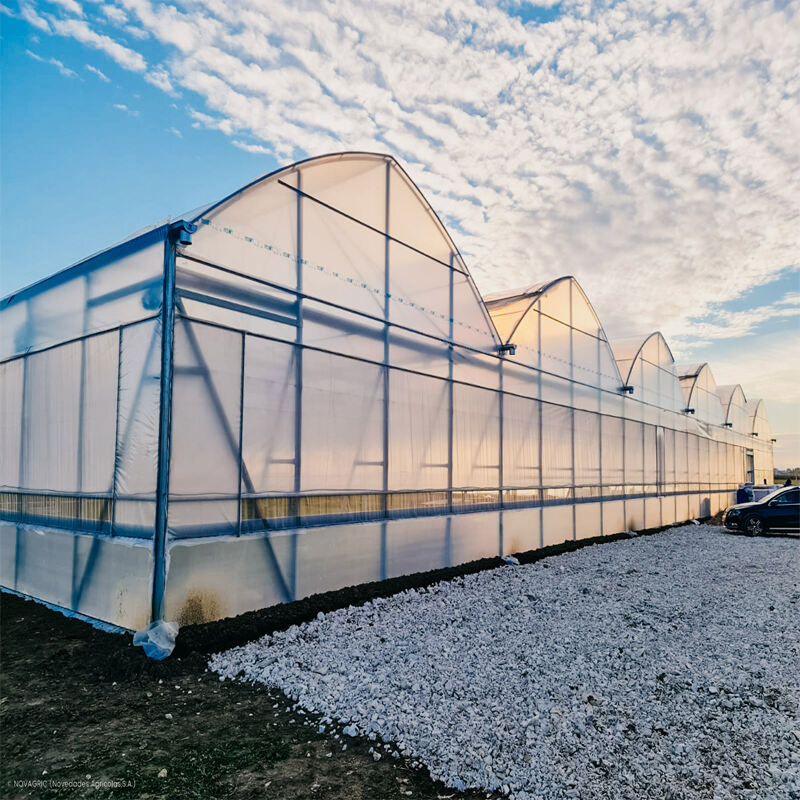
Cultivating crops during the summer season presents a paradox of abundance and adversity. While sunlight is plentiful—the essential fuel for photosynthesis—its associated heat and radiation intensity can easily overwhelm both plants and traditional growing structures. A purpose-built Summer Greenhouse, therefore, is not a passive shelter but an active climate management system engineered to harness the season's energy while mitigating its risks. At FZY Greenhouses, we apply principles of Controlled Environment Agriculture (CEA) specifically tuned for hot climates, creating structures that enable productive, high-quality cultivation throughout the most demanding months of the year.
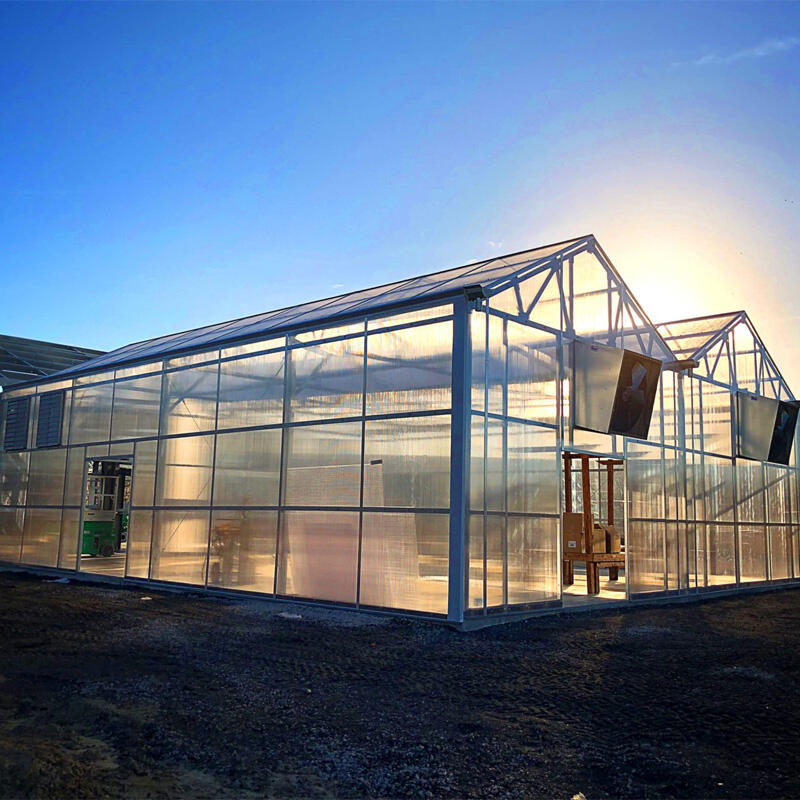
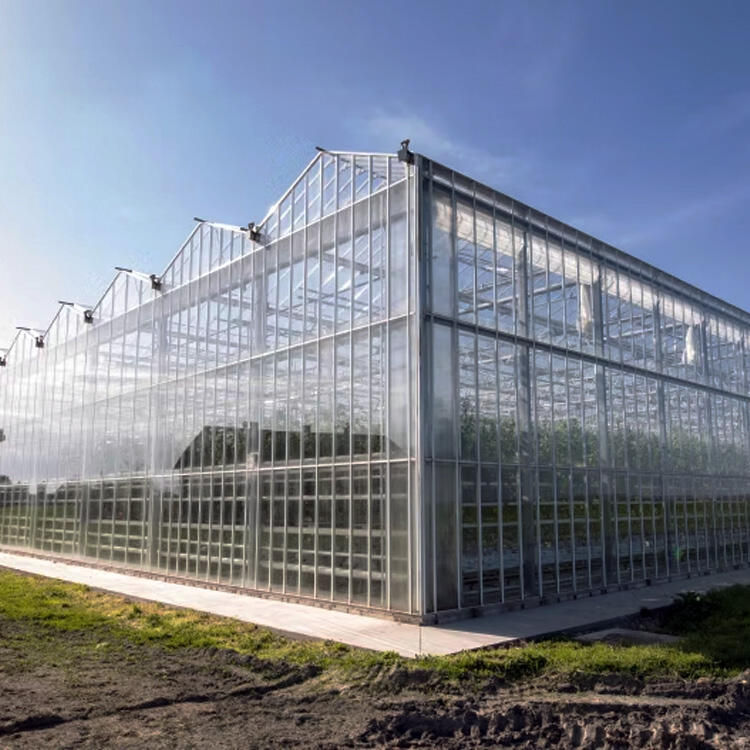
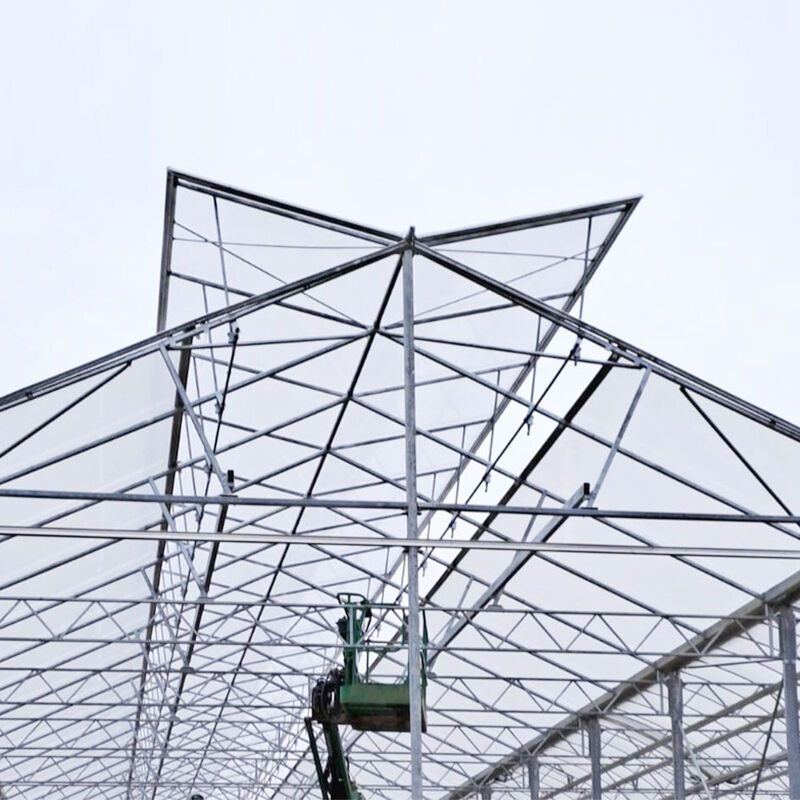
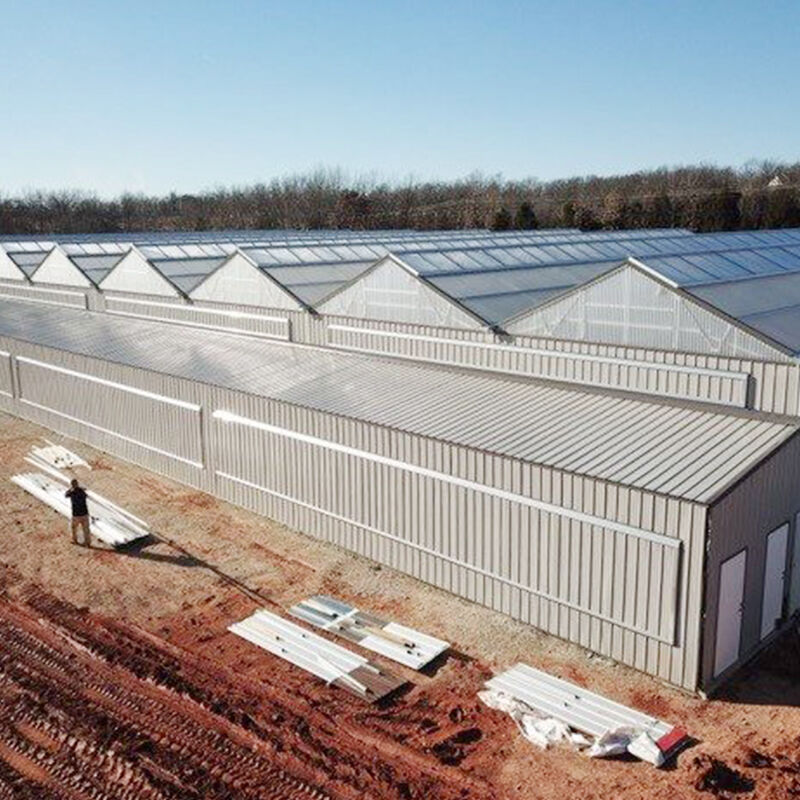
The core engineering challenge of a Summer Greenhouse is heat rejection and energy balance. Unlike structures designed for winter, which focus on heat retention, a summer-optimized design must excel at expelling excess solar thermal energy. This begins with the structural design itself, which often features high peak heights to allow hot air to rise and accumulate away from the plant canopy, and large, strategically placed vent openings. The science of ventilation is critical; we calculate required air exchange rates based on local maximum temperatures and solar load to ensure the internal environment never exceeds the crop's critical temperature threshold. This is often achieved through a combination of automated roof vents and side vents, creating a dynamic system that responds to internal temperature triggers, ensuring the greenhouse "breathes" efficiently to maintain a safe thermal ceiling.
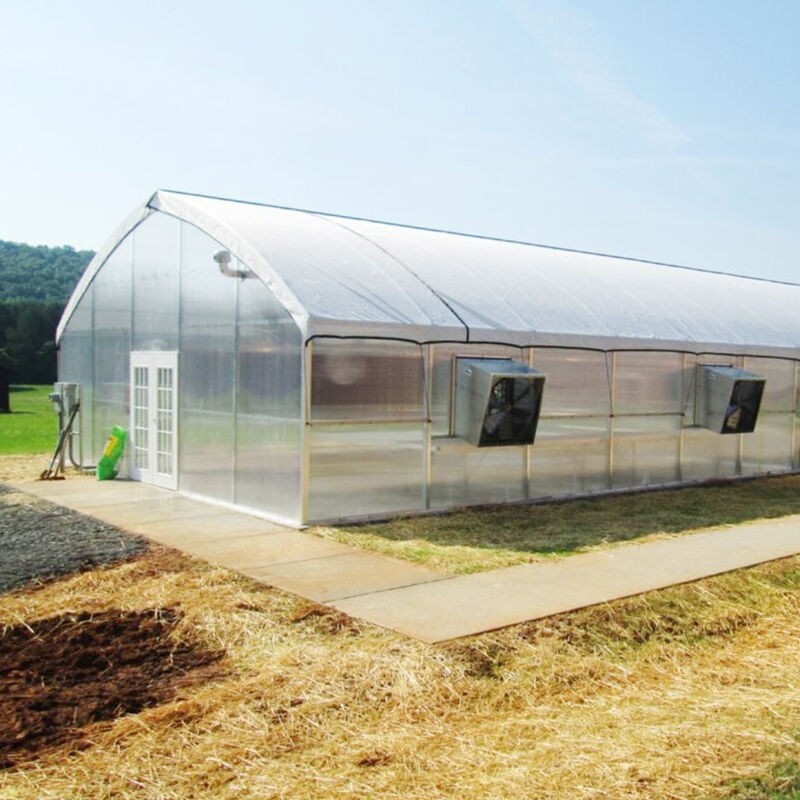
Beyond passive ventilation, active cooling technologies form the backbone of reliable summer production. The most widespread and effective system is evaporative cooling, commonly configured as a "pad and fan" system. In this setup, one wall of the greenhouse is fitted with cellulose cooling pads kept moist by a circulating water system. Exhaust fans on the opposite wall create a negative pressure, drawing external air through the wet pads. As water evaporates from the pad surface, it absorbs significant latent heat from the incoming air, reducing its temperature substantially before it enters the growing space. This process can reliably maintain interior temperatures several degrees below the external ambient, even in arid and semi-arid regions. For more humid climates where evaporative cooling is less effective, we design with high-pressure fogging systems or high-volume mechanical ventilation to achieve the necessary cooling effect, always tailoring the solution to the local climate data.
An equally important facet is the management of light quantity and quality. While sunlight is abundant, its intensity in summer can surpass the light saturation point for many crops, leading to photoinhibition—where excess light actually reduces photosynthetic efficiency and generates damaging free radicals. Our approach involves intelligent light modulation. Automated shade screens, deployed based on a PAR (Photosynthetically Active Radiation) sensor, dynamically adjust to maintain ideal light levels. Furthermore, the choice of cladding material is pivotal. We often recommend diffuse glass or polycarbonate, which scatters direct sunlight, eliminating harsh shadows and ensuring light penetrates deeper into the plant canopy. This diffused light is more usable for the plants, reduces leaf temperature, and minimizes the risk of sunscald on fruits, leading to more uniform growth and higher-quality harvests.
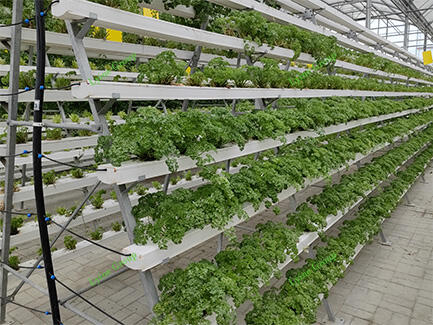
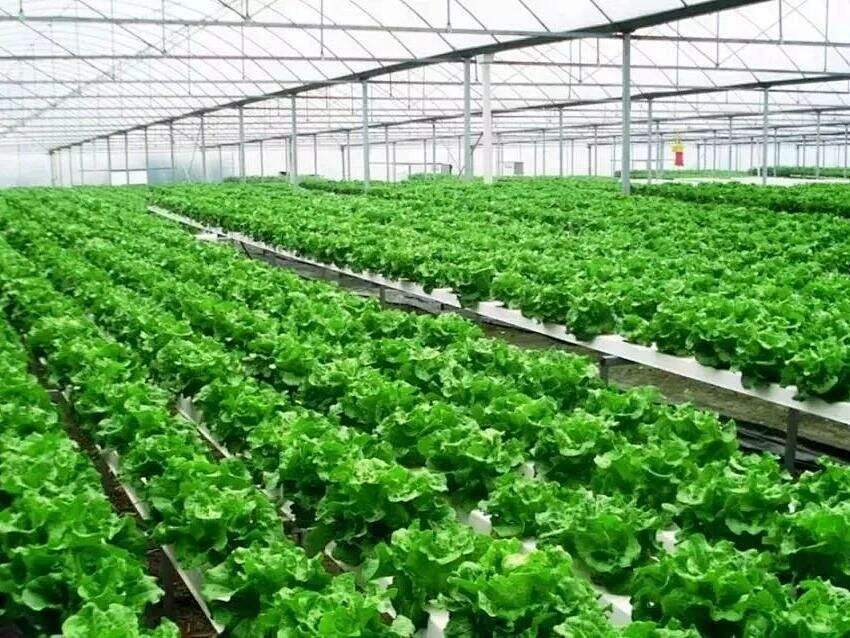
From an agronomic and business perspective, a Summer Greenhouse unlocks significant value. It allows for the successful cultivation of high-value, heat-loving crops (e.g., peppers, eggplants, certain herbs) that command premium prices. It also enables growers in temperate regions to extend the production season of mainstream crops like tomatoes and cucumbers well into the late summer and early autumn, avoiding the quality decline that often occurs in open-field plantings. By providing a buffer against extreme heat events—which are becoming more frequent due to climate change—it de-risks the growing operation, ensuring consistent supply to markets. When integrated with our IoT climate control, the management of these complex systems becomes data-driven and efficient, optimizing resource use (like water for evaporative cooling) and protecting the substantial investment in the crop.
In essence, a FZY Summer Greenhouse transforms the most challenging growing season into one of the most productive. It is a testament to applying engineering precision to biological needs. By delivering a high-quality, long-lasting structure equipped with the right technologies, we fulfill our commitment to protect and improve the plant environment under any condition. This empowers growers to not just survive the summer, but to thrive in it, achieving remarkable yields and superior crop quality that capitalize on the season's full potential.
 EN
EN