 EN
A greenhouse can improve growing conditions, but it does not automatically guarantee high yields or stable profits. Commercial projects should define the crop, local climate, target market, team capabilities, and financial limits before selecting the structure and equipment. This article is intended to support preliminary decision-making; it does not replace structural calculations, equipment-capacity calculations, a crop production plan, or a financial feasibility study.
1. Seven Key Benefits of Investing in a Greenhouse
|
Benefit |
Business Value |
Conditions for Success |
|
Environmental control |
Adjust temperature, humidity, ventilation, and light. |
Equipment capacity and control logic must match crop requirements. |
|
Weather protection |
Reduce the direct impact of wind, rain, hail, and frost. |
The structure must be designed for local wind and snow loads. |
|
Extended growing season |
Increase flexibility in crop cycles and market timing. |
Local climate, insulation, cooling, and energy costs must make it feasible. |
|
Precision irrigation and fertigation |
Support drip irrigation, filtration, and integrated fertigation. |
Water quality, irrigation practices, and maintenance must be reliable. |
|
More consistent crop quality |
Reduce some fluctuations in the growing environment. |
Variety selection, cultivation, and pest and disease management must be effective. |
|
Better use of growing space |
Accommodate trellising, elevated growing systems, or hydroponics. |
Plant density, aisles, and equipment layout must be properly planned. |
|
More organized supply planning |
Support staggered planting and more continuous deliveries. |
Reliable orders, post-harvest handling, and logistics capacity are required. |
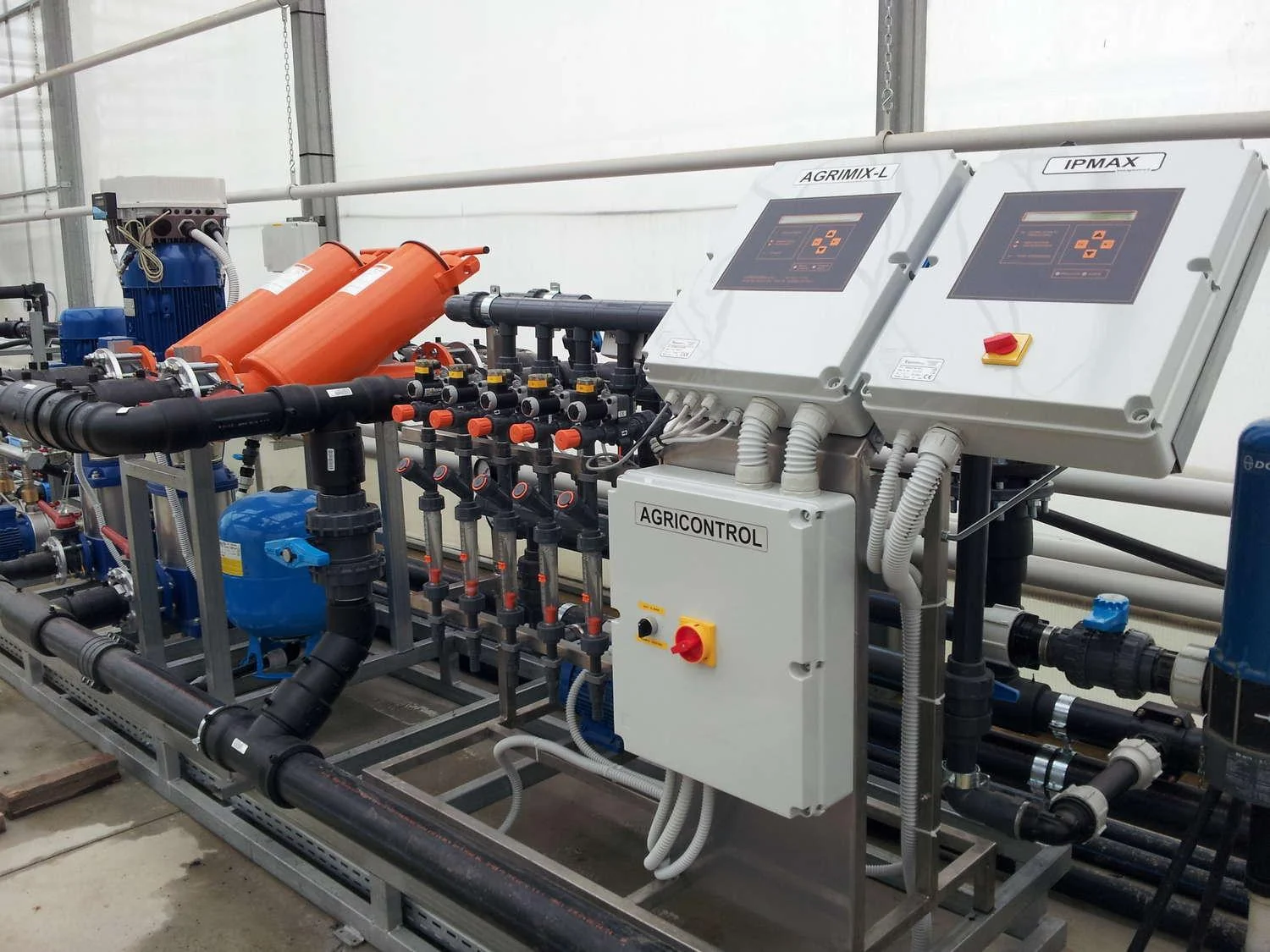
The core value of a greenhouse is greater control over production—not the elimination of natural or business risks. More equipment does not necessarily make a project better. Every system should serve a clearly defined production goal.
2. Seven Risks to Assess Before Investing
|
Risk |
Questions to Check |
Ways to Reduce the Risk |
|
Initial investment |
Have the structure, covering, equipment, freight, civil works, and installation all been included? |
Compare quotations using the same scope and configuration. |
|
Operating costs |
Can the project sustainably cover energy, water and nutrients, labor, consumables, and maintenance? |
Estimate annual costs by season. |
|
Technical capability |
Does the team understand crop production, irrigation and fertigation, climate control, and disease management? |
Provide training, SOPs, and technical support. |
|
Pests and diseases |
Are hygiene, monitoring, and isolation measures suitable for high-density production? |
Establish procedures for insect exclusion, cleaning, inspection, and response. |
|
Dependence on equipment |
Could a power outage or failure of critical equipment cause rapid crop losses? |
Prepare alarms, spare parts, backup power, and manual operating modes. |
|
Structural safety |
Have wind, snow, rain, foundation conditions, and corrosion been considered in the design? |
Require structural calculations, construction acceptance checks, and regular inspections. |
|
Market returns |
Is there evidence of buyers, selling prices, marketable yield, and logistics arrangements? |
Validate sales channels before deciding on project scale. |
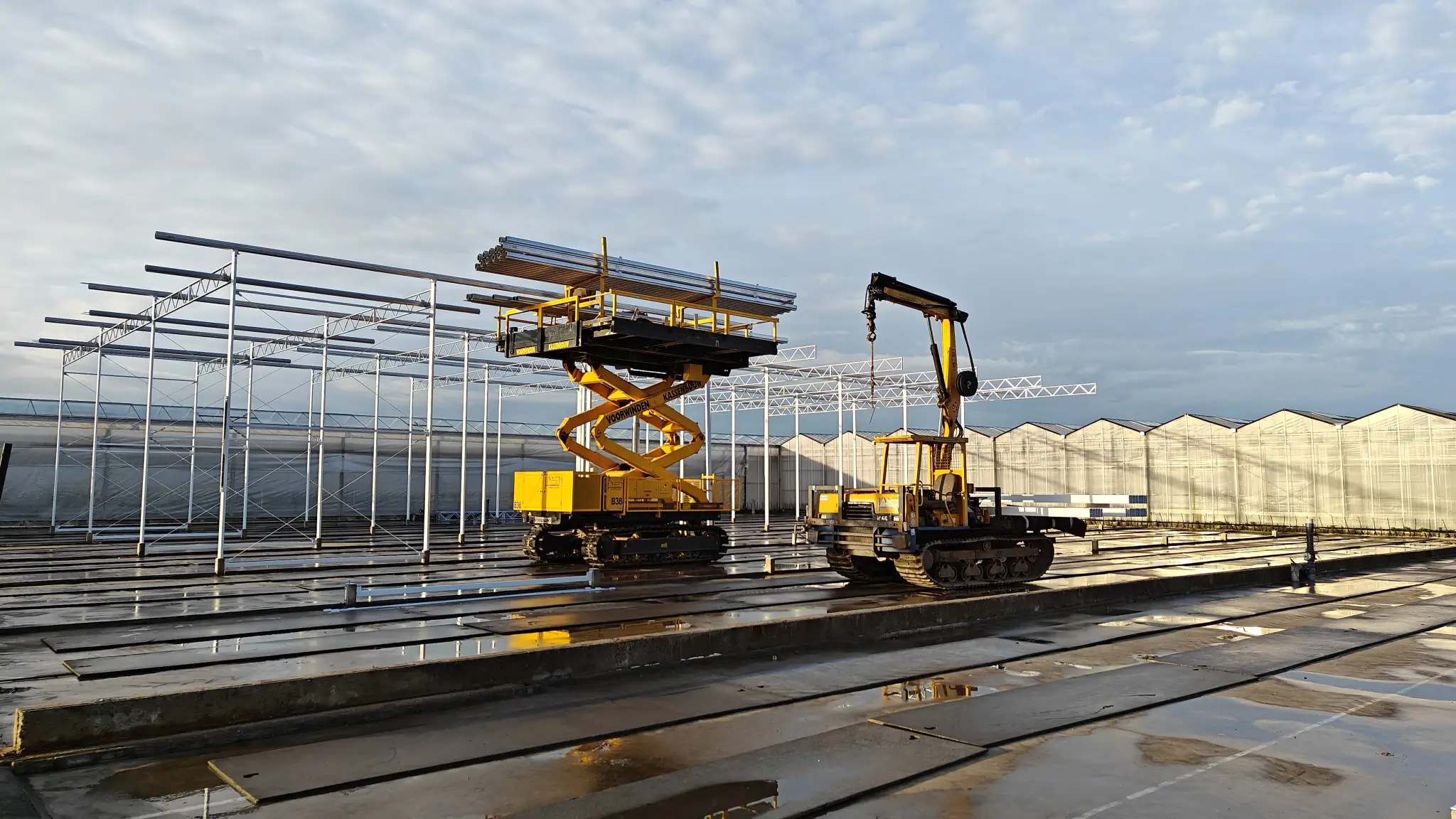
Avoid comparing suppliers only by the price per square meter. A low quotation may exclude foundations, freight, installation, controls, electrical work, or after-sales support. A high-specification solution may also fail to generate a return if energy is expensive, the team lacks the necessary capabilities, or the market is too small.
3. Build a Practical Greenhouse Investment Model
|
Assessment Item |
Data to Collect |
Key Output |
|
Initial investment |
Structure, covering, equipment, civil works, freight, installation, and commissioning. |
Total investment and itemized budget. |
|
Annual operations |
Energy, water and nutrients, labor, consumables, repairs, and insurance. |
Annual fixed and variable costs. |
|
Marketable production |
Growing area, crop cycles, yield, marketable percentage, and losses. |
Sales volume under different scenarios. |
|
Revenue assumptions |
Selling prices, seasonal fluctuations, sales channels, payment terms, and logistics. |
Conservative, base-case, and optimistic revenue estimates. |
|
Risk reserves |
Power outages, repairs, extreme weather, and price fluctuations. |
Emergency funds and contingency plans. |
|
Decision metrics |
Revenue, costs, depreciation, financing, and taxes. |
Cash flow, break-even point, and payback period. |
Do not calculate returns using a single theoretical yield figure or the highest possible selling price. Prepare at least three scenarios: conservative, base case, and optimistic. Test whether cash flow can withstand higher energy prices, a lower marketable percentage, delayed commissioning, or lower selling prices. This article does not provide a fixed return rate because results depend heavily on location, crop, market, and management.
4. Five Steps to Reduce Greenhouse Investment Risks
Step 1. Define the Crop and Sales Channels First
Confirm the crop variety, growing method, quality requirements, target buyers, sales season, and acceptable selling price. Use these requirements to determine greenhouse height, environmental targets, irrigation and fertigation systems, and post-harvest handling capacity.
Step 2. Design the Structure and Equipment Around the Local Climate
Collect data on maximum and minimum temperatures, humidity, solar radiation, maximum wind speed, snowfall, rainfall, water quality, and power supply. The structure, covering, ventilation, cooling, heating, and drainage systems must all be designed using a consistent set of site conditions.
Step 3. Compare Suppliers on a Consistent Scope
Compare material specifications, the basis of structural calculations, equipment models and actual performance, foundation and installation scope, delivery time, warranty, spare parts, and after-sales service. Where necessary, arrange a factory audit, third-party inspection, and staged acceptance checks.
Step 4. Validate Key Assumptions at Pilot Scale
When entering a new crop or market for the first time, consider validating crop adaptability, equipment configuration, yield, marketable percentage, energy costs, and sales channels on a pilot scale before deciding whether to expand.
Step 5. Establish Operating and Emergency Procedures
Before production starts, prepare crop SOPs, maintenance schedules, sensor calibration procedures, pest and disease monitoring, spare-parts inventories, and contingency plans for power outages and extreme weather. Assign clear responsibilities to the relevant team members.
5. Frequently Asked Questions
What should be decided first before investing in a greenhouse?
Start with the crop, target market, and project location. These three factors determine the environmental targets, greenhouse type, equipment requirements, and acceptable costs.
Is greenhouse farming always more profitable than open-field farming?
No. Greenhouses offer greater control, but they also add depreciation, energy, maintenance, and management costs. Profitability depends on the marketable percentage, selling price, sales channels, and operating capabilities.
How large should a first greenhouse investment be?
There is no universally suitable area. Project scale should match market orders, team capabilities, available capital, and how thoroughly key assumptions have been validated. When information is limited, phased implementation is advisable.
How should I compare quotations from different suppliers?
Standardize the scope for structural parameters, covering materials, equipment performance, foundations, installation, freight, electrical work, commissioning, and after-sales service. Then compare total cost of ownership rather than looking only at the unit price.
Which projects should pay particular attention to energy costs?
Projects requiring long heating periods, mechanical cooling, supplemental lighting, or dehumidification should estimate energy consumption under typical seasonal conditions and adverse operating scenarios, and conduct an energy-price sensitivity analysis.
6. Conclusion
A greenhouse is worth investing in when its structure and equipment suit the local climate, the team can operate it reliably, the crop has a clearly defined market, and the project can maintain manageable cash flow even under a conservative scenario. A sound sequence is: confirm the market and crop → survey the climate and site → develop the technical solution → estimate the investment → evaluate suppliers → implement in phases.
If you are planning a commercial greenhouse, first organize the key project information: crop, location, growing area, target production capacity, sales channels, energy conditions, and budget range. These details provide a basis for evaluating the appropriate scope of the structure, covering, ventilation, cooling, heating, irrigation and fertigation, and automatic control systems.
Table of Contents
- 1. Seven Key Benefits of Investing in a Greenhouse
- 2. Seven Risks to Assess Before Investing
- 3. Build a Practical Greenhouse Investment Model
- 4. Five Steps to Reduce Greenhouse Investment Risks
- Step 1. Define the Crop and Sales Channels First
- Step 2. Design the Structure and Equipment Around the Local Climate
- Step 3. Compare Suppliers on a Consistent Scope
- Step 4. Validate Key Assumptions at Pilot Scale
- Step 5. Establish Operating and Emergency Procedures
- 5. Frequently Asked Questions
- What should be decided first before investing in a greenhouse?
- Is greenhouse farming always more profitable than open-field farming?
- How large should a first greenhouse investment be?
- How should I compare quotations from different suppliers?
- Which projects should pay particular attention to energy costs?
- 6. Conclusion