 EN
EN


Secure the Perimeter: Quarantine, Screens, and Entry Control
Quarantine protocols for incoming plants, tools, and personnel
Keeping pests out of greenhouses starts with strict quarantine measures. Most growers set up separate inspection areas where they check every plant, tool, and material coming in through the doors. Workers need to clean their shoes in those disinfectant foot baths and switch into special work clothes before stepping into growing areas. Tools get wiped down and soaked in proper solutions between uses. When bringing new plants on site, it's smart practice to keep them separated for at least two days so we can spot problems like tiny spider mites or aphid colonies before they spread. These precautions really cut down on infestations. A recent study by the Ponemon Institute shows that pest issues cost farmers around $740,000 each year in lost crops and treatments. That kind of money adds up fast, which is why many operations invest in good quarantine systems despite the extra work involved.
Insect-proof screens, airlocks, and sealed greenhouse envelope design
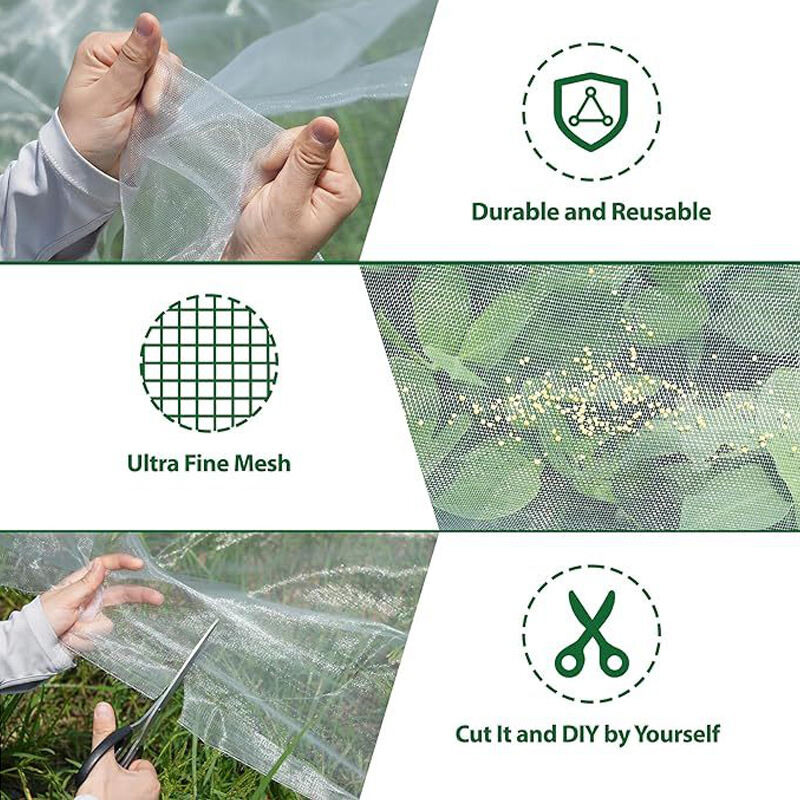
Keeping pests out physically remains one of the best ways to prevent infestations. Putting up screens that have about 0.15mm holes or smaller on every vent and opening will stop most thrips and whiteflies from getting through while still letting air circulate properly. For areas where people come and go, installing those double door setups helps keep unwanted visitors out when staff members are moving around. Don't forget to check for cracks and crevices too - sealing them up with good quality silicone works wonders. Buried barriers around the property edge at roughly 15 centimeters deep also stop bugs coming up from below ground. These methods work even better together with some kind of positive pressure system running in the background. Studies indicate that greenhouses using this combination approach tend to cut down on pesticides by around 40%, which makes sense considering how effective physical barriers really are.
Detect Early: Systematic Monitoring and Scouting Strategies
Sticky traps, pheromone lures, and data-driven placement logic
Putting colored sticky traps around entry points and inside plant canopies helps catch those pesky flying insects before they get out of hand, especially whiteflies and thrips. Farmers also use pheromone lures which are pretty clever since they actually attract specific bugs like certain moth species. When it comes to where to put these traps, there's some science involved too. Good placement considers things like how air moves through fields, areas where pests have been a problem before, and how dense the crops are growing. Some studies claim this approach boosts detection rates by about 70%, according to Pest Management Science from last year. Still, nobody really knows if that number holds true everywhere. For anyone trying to manage pests properly, mixing trap information with regular field inspections makes sense. This combination lets growers track what's happening with insect populations week after week instead of just guessing based on isolated incidents.
Weekly plant inspections using standardized scouting thresholds
Check around 2% of plants each week across every hectare, paying special attention to those pesky spots under leaves and on fresh growth where bugs tend to lurk. When things get out of hand, there are some basic rules to follow: spray something when we spot five thrips on a single leaf or notice more than twenty aphids hanging out on one plant. Keep track of exactly where different pests show up, what kind they are, and whether they're adults or still developing larvae. This info should go into some central record book somewhere so we can actually see patterns over time. Combining regular field checks with data from those yellow sticky traps cuts down on missed detections by about half compared to just relying on one technique. The combined approach gives us a much better heads up when trouble is brewing.
Suppress Strategically: Biological Controls for Sustainable Greenhouse Pest Management
Selecting and releasing beneficial insects (e.g., ladybugs, predatory mites)
Bringing in natural predators such as ladybugs (those little red spotted ones from the Coccinellidae family) and those tiny but effective Phytoseiulus persimilis mites offers a greener way to tackle pests. Just think about it - one ladybug might eat around 50 aphids each day! And when it comes to those pesky spider mites, P. persimilis gets rid of whole colonies pretty fast. Getting good results means figuring out the right balance between predators and pests, usually something like 1 predator for every 50 pests when dealing with average problems. Timing matters too. For instance, if whiteflies are laying eggs, that's exactly when to introduce those Encarsia formosa wasps. Farmers who switch to this biological control method often see a big drop in chemical pesticides used inside greenhouses and similar setups, somewhere between half to three quarters less actually. Most folks find that using slow release sachets works well for steady spread over time, whereas broadcasting them all at once gives quicker coverage across larger areas.
Matching biological agents to crop species, pest pressure, and greenhouse microclimate
Getting good results really comes down to matching the right biological controls with what's growing in the field, how many pests there actually are, and the weather conditions around them. Take Amblyseius swirskii for example it works great on soft leafy stuff like basil when temperatures hover around 25 degrees Celsius or so. Meanwhile Macrolophus pygmaeus tends to do better with tomatoes especially when humidity levels stay pretty high. When dealing with serious infestations over fifty aphids per plant sometimes we need to throw multiple solutions into the mix. Lacewings paired with those tiny parasitic worms often give us much better results than trying to tackle everything alone. The environment matters a lot too. Those Orius insidiosus bugs need at least sixty percent humidity to knock down thrips effectively. And don't even think about using Aphidius colemani unless temperatures stay somewhere between twenty two and twenty six degrees Celsius. Keep an eye on local weather patterns because getting this wrong can cut effectiveness anywhere from forty to seventy percent. That makes all the difference in whether our natural pest control actually works or just wastes everyone's time.
Optimize the Environment: Sanitation, Climate, and Cultural Practices
Creating conditions that keep pests away starts with keeping things clean around the greenhouse. Daily removal of fallen leaves and other plant material is essential, along with weekly surface cleaning using products approved by the EPA. The reason? Rotting organic stuff draws in about 78% of those pesky greenhouse insects, recent horticulture research from 2023 shows. Keeping humidity levels under control matters too. Aim for below 60% by adjusting vents and heaters properly. When there's too much moisture hanging around, pests tend to multiply faster sometimes even 40% quicker. Growers should also think about rotating crops and planting varieties known to resist certain bugs. This helps break the cycle without relying on chemicals. Drainage is another key factor. Don't let water sit anywhere for long periods because standing water can triple fungus gnat problems overnight. All these steps combined make it harder for pests to thrive while helping plants stay healthy overall through better environmental balance.
FAQ
Q: Why is quarantine important for pest control in greenhouses?
A: Quarantine helps identify and isolate pests before they spread, reducing infestations and minimizing crop loss and treatment costs.
Q: What role do insect-proof screens play in greenhouse pest management?
A: Insect-proof screens prevent pests like thrips and whiteflies from entering while allowing air circulation, effectively reducing pest infestations.
Q: How do biological controls help in sustainable greenhouse pest management?
A: Introducing beneficial insects provides a natural way to control pests, reducing the need for chemical pesticides and supporting sustainable agriculture.
Q: What cultural practices can optimize the greenhouse environment for pest suppression?
A: Regular cleaning, humidity control, crop rotation, and proper drainage make the environment less conducive to pest multiplication.