 EN
EN


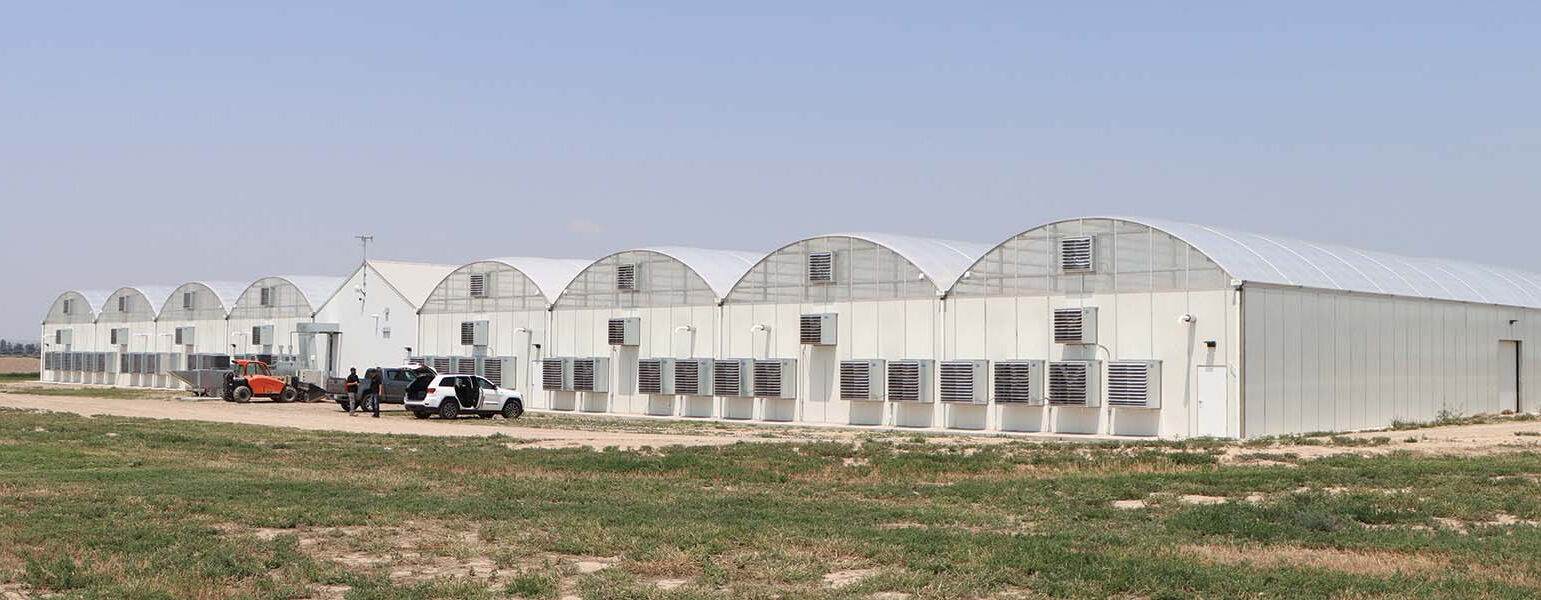
Understanding Polycarbonate Greenhouse Insulation Fundamentals
R-value and U-value explained: what they mean for polycarbonate greenhouse thermal performance
When talking about thermal performance, two key numbers come into play for polycarbonate panels: R-value which measures thermal resistance, and U-value that looks at how much heat actually moves through the material. Basically, when we see a higher R-value, that means better protection against losing heat through conduction. Meanwhile, lower U-values indicate less total heat transfer across all methods like conduction, convection, and even radiation. Most multiwall polycarbonate options hit R-values somewhere between 1.4 to around 2.3. That's pretty impressive compared to regular single layer polyethylene which only gets about R-0.83. Why? Because those multiple walls trap air pockets inside, creating barriers that slow down heat movement. If someone is working in colder climates where heating costs matter a lot, looking for panels with U-values under 0.70 makes sense. These will cut down on heating needs significantly while keeping temperatures stable enough for whatever plants or materials need consistent conditions.
Why multi-wall polycarbonate (twin-wall, triple-wall) delivers superior insulation vs. single-layer alternatives
The advantage of multi wall polycarbonate comes from its clever design with air gaps between layers. When we look at twin wall and triple wall versions, they form these insulated spaces that really help reduce heat movement. Tests show these can cut down on heat transfer by around 40 to 60 percent when compared to regular single layer materials. The air spaces work like natural insulation, helping keep inside temperatures stable even when outside conditions change quickly. What's interesting too is how this layered approach spreads light throughout greenhouses more evenly. This means fewer hot spots that might damage plants while still letting plenty of daylight in. For growers who need their crops protected all year long, especially in areas where temperatures swing wildly from day to night, these systems make sense. Their R value reaches up to 2.3 which is pretty good for maintaining steady growing conditions regardless of what kind of weather rolls in.
Key Factors That Reduce Insulation Performance Over Time
UV degradation and microstructural changes that compromise heat retention
When polycarbonate materials are exposed to UV light for extended periods, they undergo chemical changes that weaken their molecular structure and create tiny cracks at the surface level. After about five to seven years of outdoor exposure, these changes typically reduce the material's density by around 12 to 15 percent. This degradation affects how well the material reflects infrared radiation and actually makes it worse at preventing heat transfer through thermal bridging. Research on aged polymers shows that infrared reflection efficiency often drops by as much as 30% over time. The problem becomes especially noticeable with uncoated panels, since we tend to see an increase in annual thermal transmittance ranging from approximately 0.8 to 1.2 W per square meter Kelvin as the material continues to break down.
Air gap integrity loss: condensation buildup, panel delamination, and yellowing effects
The insulating efficacy of multi-wall panels hinges on intact, dry air cavities—but three interrelated failure modes degrade that integrity:
- Condensation accumulation replaces insulating air with moisture, raising cavity thermal conductivity by 18–22%;
- Panel delamination, often from repeated thermal cycling, collapses air gaps and slashes localized R-values by 40–60%;
- Oxidative yellowing scatters incoming light rather than transmitting it, cutting usable solar heat gain by 15–25%. In humid climates, these issues commonly emerge after 4–6 years—and collectively accelerate insulation loss threefold compared to UV degradation alone.
Real-World Lifespan of Insulation in Polycarbonate Greenhouses
Field data: insulation retention rates across 5–15 years in diverse climates
How panels perform out there in the real world really depends on what kind of climate they're exposed to. Take Mediterranean areas for instance, where UV isn't too intense and temperatures stay pretty steady most of the time. Panels installed there tend to hold about 80 something percent of their original R value even after a dozen years or so. Things get worse in places with big temperature swings though. Continental climates see efficiency drop somewhere between 20 to maybe 30 percent within just eight years. The worst performers? Tropical regions hands down. All that humidity causes problems fast yellowing happens early on and those air gaps start failing, which cuts thermal retention by around 40 percent in just six years. Interesting twist here though. Twin wall systems that get regular maintenance actually do pretty well in Arctic conditions. They manage to keep about three quarters of their original insulation properties after fifteen years. Seems like freeze thaw cycles aren't as bad for these materials as people might think, especially if those all important air gaps remain intact.
USDA Zone 5 case study: 10-year thermal efficiency monitoring of twin-wall polycarbonate greenhouses
A decade-long USDA Zone 5 field study tracked twin-wall polycarbonate greenhouses enduring -30°F winters and 95°F summers. Thermal scans revealed a predictable degradation curve:
- Years 1–3: Minimal decline (<5% R-value loss);
- Years 4–7: Gradual erosion (2–3% annually);
- Years 8–10: Accelerated loss (4–5% per year), culminating in a 32% total R-value reduction.
By year 10, heating energy demand rose 28%, correlating directly with UV-induced embrittlement and condensation-driven air gap collapse during daily temperature swings. Critically, greenhouses with factory-applied co-extruded UV protection maintained 15% higher thermal efficiency than untreated units—confirming that material specification, not just maintenance, governs long-term insulation viability in harsh climates.
Proven Strategies to Maximize and Extend Polycarbonate Greenhouse Insulation Life
Implementing proactive measures ensures your polycarbonate greenhouse maintains optimal thermal efficiency throughout its lifespan. Success depends on combining disciplined maintenance with evidence-based material selection.
Preventive maintenance: cleaning, sealant management, and condensation control
Cleaning surfaces regularly with pH neutral cleaners and soft cloths helps maintain good light transmission while keeping abrasive particles from causing those tiny scratches that let UV damage start creeping in. Check the seals around panels and between them at least twice a year. If there are any cracks, shrinkage, or discoloration spots, replace them right away because water getting in through these gaps is bad news. Keep condensation drains clear and make sure they slope correctly so water can drain away instead of pooling up in the air spaces behind panels. This basic maintenance actually stops one of the biggest problems that leads to insulation losing its effectiveness way too soon.
Selection best practices: choosing UV-stabilized, co-extruded panels with warranty-backed thermal specs
Look for panels that have co extruded UV resistant layers instead of just surface coatings because these actually build protection into the outer layer itself. They block around 99 percent of those damaging UV rays while keeping the panel strong and maintaining R values well above 1.7. When checking warranties, make sure they specifically mention how long the thermal performance will last, not just what happens if materials fail. A good minimum is looking at least 10 years on paper. Real world tests show these kinds of panels keep about 90% of their initial insulation power even after 15 years in areas classified as USDA Zone 5 according to research published by Plastics Expert back in 2023. Single wall panels? Probably best to skip them altogether. The real winners here are multi wall designs where the air gaps between walls are properly sealed and stay dimensionally stable over time, which makes all the difference in maintaining consistent heat retention year after year.
FAQ
Why are R-values and U-values crucial for polycarbonate greenhouse insulation?
R-values and U-values are critical for understanding the thermal performance of polycarbonate greenhouse panels. R-value measures thermal resistance, indicating better heat retention, while U-value measures heat transfer through the material. High R-value and low U-value materials ensure optimal thermal efficiency, especially in colder climates.
What are the benefits of multi-wall polycarbonate compared to single-layer alternatives?
Multi-wall polycarbonate, including twin-wall and triple-wall designs, provides superior insulation due to air gaps between layers. These air pockets significantly reduce heat transfer, maintain stable temperatures, and enhance light distribution within greenhouses, making them more efficient than single-layer alternatives.
What factors can reduce the insulation performance of polycarbonate over time?
Insulation performance can degrade due to UV exposure, leading to chemical changes and microstructural damage, as well as issues like panel delamination, condensation accumulation, and oxidative yellowing. Regular maintenance and selecting UV-protected materials can help mitigate these effects.
How long can polycarbonate panels maintain their insulation in real-world conditions?
Polycarbonate panels can maintain a significant portion of their insulation properties for 5 to 15 years, depending on the climate and exposure conditions. Maintenance and material specifications, such as UV protection, play a crucial role in extending their lifespan.
What strategies can help maximize the lifespan of polycarbonate greenhouse insulation?
Proactive strategies include regular cleaning with pH neutral cleaners, checking and managing sealants, controlling condensation, and choosing high-quality UV-stabilized co-extruded panels with warranty-backed thermal specifications to ensure longevity and sustained thermal performance.