 EN
EN


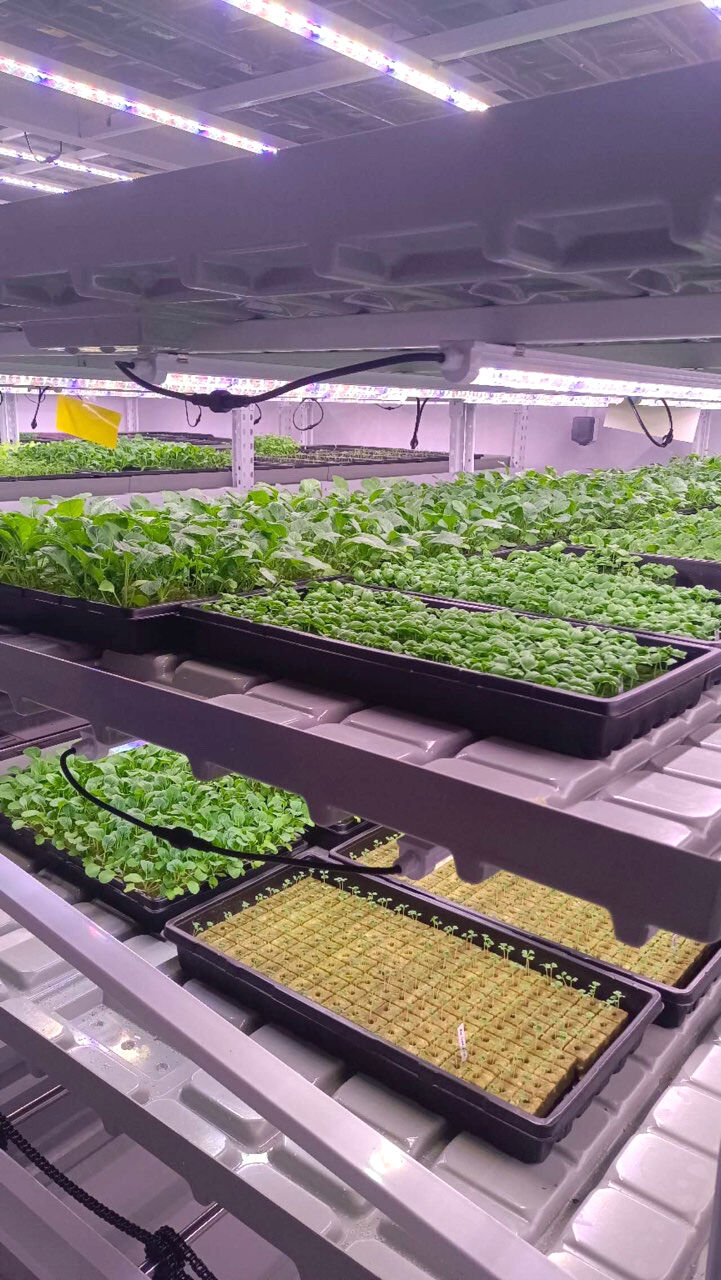
What is hydroponics and how does it work?
Hydroponics basically means growing plants without soil, right? Instead, we use water mixed with all sorts of nutrients. Some folks did research back in 2024 showing how these setups actually feed plants straight at their roots through specially made solutions. Soil just doesn't do this reliably enough. The basic setup usually has three main parts working together. First there's a tank where all those nutrients live. Then something to hold the plants up while they grow, stuff like those little clay rocks or rockwool material works pretty well. And finally there needs to be some kind of system to keep air moving through the roots so they don't suffocate. Take lettuce farms as an example. When growers switch to hydroponic systems, they can get their crops ready for market about two to three times quicker compared to traditional dirt farming methods.
The science behind soilless cultivation
Growing plants without soil actually works wonders for their biology because we can control exactly what happens at the roots. When nutrients are mixed into water instead of sitting in dirt, plants grab them much better. We're talking about bioavailability rates around 80 to 95 percent in hydroponic systems versus only 45 to 55 percent in traditional soil setups. Keeping those roots happy also means making sure they get enough oxygen. Most growers use air stones or just let water flow naturally through their systems. This helps prevent root rot problems that plague many gardeners. And guess what? Scientists who study controlled environment agriculture have confirmed these benefits time and again. Check out the table below to see how different growing methods stack up against each other.
| Factor | Hydroponics | Traditional Soil |
|---|---|---|
| Water Efficiency | 90% less usage | Baseline |
| Space Required | 1/5th | 100% |
| Growth Speed | 30-50% faster | Standard |
Advantages of hydroponics over traditional farming
Modern hydroponic systems outperform conventional agriculture in three areas:
- Resource efficiency: Uses 10% of the water required for soil farming (Ponemon 2023)
- Space optimization: Vertical setups yield 10x more crops per square foot
- Yield consistency: Eliminates soil-borne diseases, ensuring 98% germination success in controlled trials
This method's scalability makes it ideal for urban farms and regions with poor soil quality, though startup costs remain higher than traditional methods.
Essential Components and Supplies for Your Hydroponic System
Core Components of Every Hydroponic Setup
Every hydroponic system requires five foundational elements:
- Reservoir: Stores nutrient-rich water (88% of commercial growers use reservoir-based systems according to AgriJoy 2024)
- Nutrient solution: Delivers essential minerals like nitrogen and phosphorus
- Growing medium: Alternatives like clay pebbles or coco coir replace soil
- Air pump: Oxygenates water to prevent root rot
- Delivery system: Circulates nutrients through tubing or channels
Research from 2024 Hydroponic Agriculture Reports shows properly balanced systems increase crop yields by 30–50% compared to traditional methods.
Hydroponics Supplies List: Reservoirs, Pumps, Air Stones, and Tubing
Upgrade your setup with these critical supplies:
| Component | Purpose | Average Cost* |
|---|---|---|
| Submersible pump | Circulates nutrient solution | $25-$200 |
| Air stones | Distributes oxygen bubbles evenly | $5-$40 |
| PVC tubing | Transports water between system sections | $0.50-$2/ft |
| Net pots | Holds plants and growing medium | $0.30-$2/unit |
Cost estimates from USDA 2023 Urban Farming Toolkit
Budget-Friendly vs. Commercial-Grade Equipment Options
New growers can start with basic kits ($50–$300) containing:
- 5-gallon plastic reservoirs
- 15W submersible pumps
- Vinyl tubing assemblies
Commercial operations typically invest in:
- Stainless steel reservoirs ($500–$2,000)
- Industrial-grade pumps with flow sensors ($800+)
- Antimicrobial tubing systems
According to The Spruce's hydroponic guide, DIY systems reduce startup costs by 60% but require more maintenance than pre-engineered solutions.
Types of Hydroponic Systems: Choosing Between DWC, NFT, Drip, Ebb and Flow, and More
Overview of Six Major Hydroponic Systems
Hydroponic gardening today comes in about six main types, all working differently but sharing the same goal of growing plants without soil. Most people encounter systems like Deep Water Culture where roots sit directly in nutrient solution, or Nutrient Film Technique which runs a thin stream over plant roots. There's also drip irrigation setups, ebb and flow tanks that flood then drain, simple wick systems for beginners, and high tech aeroponics where roots hang in mist. Each approach has its own price tag and level of difficulty, so gardeners can pick what fits their space, budget, and what they want to grow. Some folks start with DWC because it's straightforward while others go for NFT when cultivating leafy greens commercially.
Deep Water Culture (DWC) and Nutrient Film Technique (NFT): Simplicity and Efficiency
In DWC setups, plants grow with their roots hanging in water mixed with nutrients and plenty of oxygen, which works great for people just starting out and for growing leafy stuff like lettuce. The NFT method is different though it relies on channels that slope downward so a thin layer of nutrient rich water flows over the roots. This setup saves a lot of water, especially good for growing herbs and smaller plants. What's nice about both approaches is they don't need much equipment at all and tend to give pretty reliable results. Plants in DWC tanks generally grow quicker while NFT systems can cut down on water consumption significantly when compared to regular farming methods, sometimes saving around two thirds of what would normally be used.
Drip and Ebb & Flow Systems: Flexibility for Diverse Crops
Drip irrigation systems give each plant exactly what it needs through those little emitter holes in the tubing, which makes them great for growing tomatoes and strawberries that need consistent moisture levels. Then there's the Ebb & Flow system, sometimes called Flood and Drain, where growers let nutrient solution fill up their trays and then drain it away again, kind of like how tides come in and go out along the beach. The constant wetting and drying cycle actually helps build stronger roots over time, so many gardeners find this approach particularly good for plants that produce fruits, such as bell peppers and cucumber vines that can get pretty big if given enough space.
Wick and Aeroponic Systems: Low-Tech and High-Performance Options
Wick systems work by using capillary action to pull nutrients through growing mediums such as coconut coir. These setups don't need any pumps or power source at all, making them great for growing small herbs or setting up classroom demonstrations. Then there's aeroponics where roots get sprayed with nutrient rich mist instead. Some growers report their strawberries grow almost half again as fast compared to traditional methods. The downside? Aeroponic setups require careful monitoring of temperature and humidity levels. But what growers gain in water savings makes up for this extra attention. Most estimates put water usage around 95% lower than regular soil farming when done right.
Comparing System Complexity, Cost, and Crop Suitability
| System | Complexity | Cost | Best For |
|---|---|---|---|
| DWC | Low | $ | Leafy greens, basil |
| NFT | Moderate | $$ | Lettuce, spinach, herbs |
| Drip | High | $$$ | Tomatoes, strawberries |
| Ebb & Flow | Moderate | $$ | Peppers, cucumbers, microgreens |
| Wick | Minimal | $ | Small herbs, educational kits |
| Aeroponic | Advanced | $$$$ | High-value crops, urban farming |
This comparison highlights how hydroponic systems balance scalability, maintenance, and crop compatibility.
Planning Your Hydroponics Setup: Space, Budget, Build vs Buy, and Crop Selection
Matching your hydroponic system to space, goals, and budget
Before anything else, take a good look at what kind of space we actually have on hand. Maybe there's that unused corner of the garage, or perhaps the balcony outside the kitchen window? Small scale operations work really well with vertical NFT systems since they don't need much floor space. For bigger growing spaces though, ebb and flow systems tend to perform better overall. When thinking about money matters, it helps to know where we're headed in the future. Most people starting out as gardeners spend between two hundred to five hundred bucks initially. But if someone wants to run something commercially viable, they'll probably need to invest over two thousand dollars just to get basic automation running smoothly and allow for expansion down the road.
Pre-built kits vs DIY hydroponics: Pros and cons
Pre-built kits simplify setup with included components like pumps and timers, ideal for beginners prioritizing convenience. However, DIY systems offer 30–50% cost savings and customization for unique layouts. A 2024 hydroponics study found that 68% of hobbyists who built their own systems reported better troubleshooting skills and nutrient management mastery.
Best plants for hydroponics: Lettuce, herbs, tomatoes, and strawberries
Leafy greens (lettuce, kale) mature in 28–35 days with modest light, making them perfect for first-timers. Herbs like basil thrive in DWC systems, while tomatoes and strawberries require higher-output LED lighting and precise pH control (5.8–6.3). Avoid space-intensive crops like corn unless using tiered vertical farms.
Choosing the right growing media: Rockwool, clay pebbles, coco coir, and more
Media selection impacts root oxygenation and moisture retention:
| Media | Best For | pH Neutral? | Reusable? |
|---|---|---|---|
| Rockwool | Seed starting | No (7.8) | No |
| Clay pebbles | DWC, drip systems | Yes | Yes |
| Coco coir | Mix with perlite | Yes | 2–3 cycles |
Commercial growers often prefer pre-sterilized substrates like Grodan Stonewool for disease prevention, while small-scale setups benefit from affordable perlite-vermiculite blends.
Operating and Maintaining Your Hydroponic System for Long-Term Success
Setting Up Irrigation, Nutrient Delivery, and Lighting Schedules
A well-timed hydroponic system operates like clockwork. Use programmable timers to automate lighting (14–16 hours daily for leafy greens) and irrigation cycles (2–5-minute sessions every 2–3 hours). Research from MedicGrow (2023) shows synchronizing nutrient delivery with light exposure boosts growth rates by 18–22% compared to manual scheduling.
Balancing pH, EC, and Nutrient Solutions for Optimal Growth
Maintain pH levels between 5.5–6.5 and electrical conductivity (EC) of 1.2–2.5 mS/cm for most crops. Weekly testing prevents lockout—a common issue where 73% of failed hydroponic crops stem from imbalanced solutions (Ponemon 2023). Adjust using citric acid (pH down) or potassium bicarbonate (pH up), never household chemicals.
Routine Cleaning, Monitoring, and Algae Prevention
Follow this 3-step maintenance protocol every 14 days:
- Drain and scrub reservoirs with 3% hydrogen peroxide solution
- Flush tubing with enzymatic cleaner to remove biofilm
- Inspect roots for browning—an early sign of Pythium infections
Dark-colored reservoirs and airtight lids reduce algae growth by 90%, eliminating the need for chemical algaecides.
Harvesting Tips and Avoiding Common Beginner Mistakes
Harvest leafy greens at the "baby" stage for continuous yields—mature plants increase nutrient competition by 40%. Overcrowding causes 58% of oxygenation issues in deep water culture systems. Sterilize tools between plants to prevent cross-contamination, and always quarantine new seedlings for 48 hours before introduction.
FAQ
What is hydroponics?
Hydroponics is a method of growing plants without soil, using nutrient-rich water solutions to deliver essential minerals directly to plant roots.
How does hydroponics improve plant growth compared to traditional soil methods?
Hydroponics enhances plant growth by increasing the bioavailability of nutrients and providing a controlled environment to optimize root health and oxygenation.
What are the basic components needed for a hydroponic system?
Key components include a nutrient reservoir, nutrient solution, growing medium, air pump, and a delivery system to circulate nutrients and oxygen.
How cost-efficient is hydroponic farming?
While initial setup costs can be higher than traditional farming, hydroponics uses less water, requires less space, and can result in faster plant growth with a higher yield.
What types of crops are best suited for hydroponic systems?
Leafy greens, herbs, tomatoes, and strawberries are excellent choices due to their faster growth rates and adaptability to controlled environments.
Table of Contents
- What is hydroponics and how does it work?
- The science behind soilless cultivation
- Advantages of hydroponics over traditional farming
- Essential Components and Supplies for Your Hydroponic System
-
Types of Hydroponic Systems: Choosing Between DWC, NFT, Drip, Ebb and Flow, and More
- Overview of Six Major Hydroponic Systems
- Deep Water Culture (DWC) and Nutrient Film Technique (NFT): Simplicity and Efficiency
- Drip and Ebb & Flow Systems: Flexibility for Diverse Crops
- Wick and Aeroponic Systems: Low-Tech and High-Performance Options
- Comparing System Complexity, Cost, and Crop Suitability
- Planning Your Hydroponics Setup: Space, Budget, Build vs Buy, and Crop Selection
- Operating and Maintaining Your Hydroponic System for Long-Term Success
- FAQ