 EN
EN


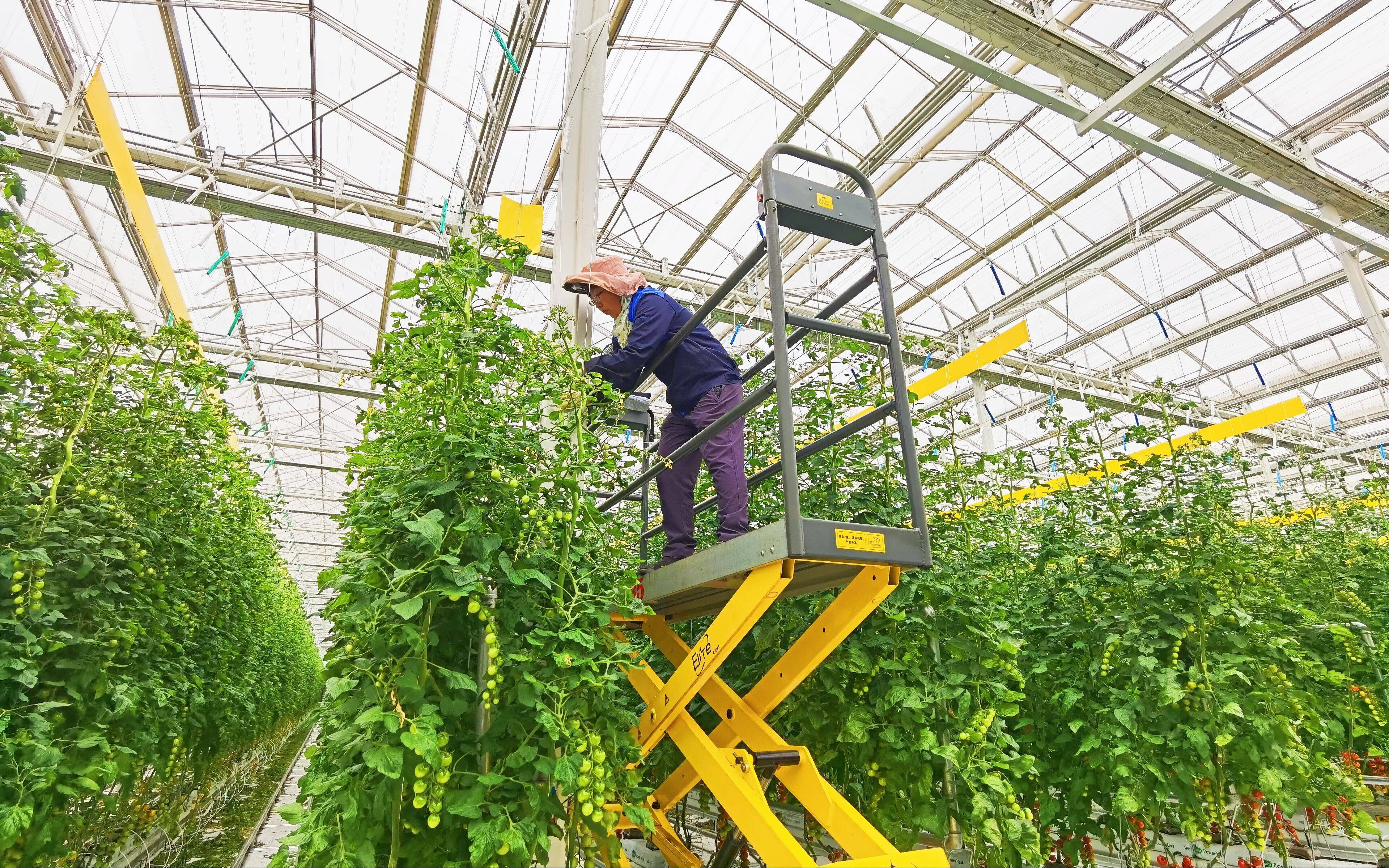
Optimizing Greenhouse Design and Climate Control for Efficiency
Key Structural Considerations for High-Yield Commercial Greenhouse Operations
Commercial greenhouse profitability starts with site-specific structural design that accounts for snow loads, wind resistance, and light penetration. Research shows optimized greenhouse orientation and glazing materials can increase annual light exposure by 18–22% compared to standard designs. Key priorities include:
- Minimum 6:12 roof pitch for snow shedding in cold climates
- Diffused polycarbonate walls to reduce plant scorching
- Modular expansion capabilities for phased growth
Integrating Smart Climate Control Systems for Year-Round Production
These days most operations rely on smart sensors along with automatic venting systems to keep VPD vapor pressure deficit around those sweet spots between 0.8 and 1.2 kilopascals. Research published last year showed something pretty interesting about greenhouses using these predictive climate control algorithms they cut down on heating expenses by almost a third without letting temperatures drift more than half a degree Celsius either way. When growers mix traditional passive air flow methods with some extra heat when needed, their energy bills drop significantly compared to just running one system alone. We're talking about roughly 27 percent better efficiency for those who combine both approaches rather than sticking strictly to either passive or active solutions.
Energy-Efficient Design: Reducing Costs Through Strategic Planning and Insulation
Strategic insulation reduces heating demands by 40–60%, as shown in 2022 energy modeling research. Double-layer polyethylene films with air inflation provide R-2 insulation value at $0.12/sf annually—30% cheaper than single-pane glass. Underground thermal storage systems can recover 65–80% of waste heat from daytime operations for nighttime use.
Location, Orientation, and Regional Climate Impact on Commercial Greenhouse Performance
Greenhouses located in USDA Zone 6 typically need about 35-40% extra heating during colder months compared to those in warmer Zone 8 areas. But there's a silver lining - these northern greenhouses get around 20% more daylight naturally throughout the season. Facing structures toward the southwest helps capture maximum sunlight during winter months when it matters most. For summer protection against heat buildup, many growers install automatic shading systems that kick in when temperatures rise too high. Those running greenhouses near coastlines face another challenge though. Salt air can really eat away at regular building materials over time. That's why coastal operations often go with special frames made from aluminum or galvanized steel instead of cheaper alternatives that just won't last.
Precision Water and Nutrient Management in Commercial Greenhouse Farming
Advanced Irrigation Systems for Consistent Crop Health and Resource Savings
Commercial greenhouses today can save around 40 percent more water thanks to innovations such as subsurface drip irrigation systems and hydroponic setups. The way these work is pretty straightforward actually they get water right where it matters most at the roots themselves. This cuts down on all that wasted evaporation and keeps plants properly hydrated without overdoing it. Some operations have reported slashing their water usage nearly in half when switching from old school flood methods to sensor driven systems that automatically adjust based on real time conditions. When growers combine these water saving techniques with something called fertigation which basically means delivering nutrients along with irrigation water crops tend to grow better overall and farmers end up spending about a quarter less on fertilizers each year according to industry reports.
Water Recycling and Conservation Strategies for Sustainable Operations
Closed-loop systems now reclaim 65% of irrigation runoff through advanced filtration and UV treatment. Leading operations combine rainwater harvesting with humidity condensers, cutting municipal water reliance by 30%. Strategic mulching further reduces evaporation, with trials showing 15–20% water savings during summer peaks. These methods enable year-round production even in drought-prone regions.
Data-Driven Decisions: Monitoring Moisture, pH, and Nutrient Levels
Hourly sensor tracking of EC (electrical conductivity) and pH prevents nutrient lockout while optimizing absorption. Facilities maintaining 5.5–6.5 pH ranges report 18% fewer deficiency-related crop losses. Real-time dashboards flag micronutrient imbalances before visible symptoms appear, allowing corrections within 2–4 hour windows—critical for high-value crops like tomatoes and leafy greens.
Strategic Crop Selection and Market-Aligned Production Planning
Choosing High-Value Crops Based on Seasonal Demand and Profit Margins
Greenhouse growers looking to maximize profits tend to focus on crops that sell well seasonally and offer margins above 35%. Take winter for instance when leafy greens such as kale and those fancy herbs can fetch top dollar because they're scarce. Come summer though, most operations switch gears toward growing lots of cherry tomatoes which people just seem to want all the time. Some research from last year looking at greenhouses across the Midwest found something interesting too. Basil plants specially bred to mature faster actually brought in around 22% more money per year compared to regular basil strains. Makes sense really since farmers can get several harvests out of them before switching to another crop.
Matching Crop Selection with Sales Channels and Consumer Trends
When what gets produced matches up with what the market actually wants, there's less waste sitting around and fewer problems getting products out on time. Take restaurants and community supported agriculture programs for instance they usually need those specialty items like tiny green sprouts or fancy edible blossoms. Supermarkets meanwhile are all about having steady supplies of basic foods people buy week after week. Some pretty interesting studies have looked at how smart computer systems work in agriculture. These models seem to spot changes in what different regions want anywhere from 8 to maybe even 12 weeks before they happen. That gives farmers a real advantage because they can start planning their planting calendars ahead of time instead of scrambling when demand suddenly spikes.
Balancing High-Demand vs. Resource-Intensive Crops: A Profitability Analysis
| Crop Type | Water Usage (gal/kg) | Labor Hours/Week | Margin per Sq. Ft. |
|---|---|---|---|
| Hydroponic lettuce | 18 | 4.2 | $8.50 |
| Heirloom tomatoes | 42 | 9.7 | $14.20 |
| Specialty peppers | 29 | 6.1 | $12.80 |
While heirloom tomatoes deliver 67% higher margins than lettuce, their water and labor demands require offsetting with lower-maintenance crops. Successful operations allocate 40–60% of space to high-margin varieties and 20–30% to fast-turnover, drought-tolerant options like arugula or radishes.
Integrated Pest Management and Automation for Operational Efficiency
Reducing Chemical Dependency with Effective Integrated Pest Management (IPM)
Commercial greenhouses these days are turning to Integrated Pest Management or IPM as a way to cut down on synthetic pesticides by roughly 40 to 60 percent without hurting crop quality. The approach mixes different strategies including releasing predatory bugs into the greenhouse, rotating crops seasonally, and using chemicals only when pests reach certain levels that threaten yields. Some growers have started using AI equipped drones to spot problems weeks before they would normally notice through walking inspections. This early warning system lets them act quickly before damage occurs and helps keep the good insects alive that pollinate their plants and maintain ecological balance within the greenhouse environment.
Leveraging Automation for Labor Efficiency and Real-Time Monitoring
When climate control and irrigation systems get paired up with IPM protocols, they can slash labor expenses by around 30% for big greenhouse operations. The sensors monitor things like temperature levels, moisture content, and signs of pests, sending all this information to central control systems which then tweak environmental conditions as needed. According to research published in 2025 on farm automation technologies, farmers who adopted such smart systems saw their crop losses drop by approximately 22%. These systems send warnings when aphids start appearing or when there's a risk of fungus developing, giving growers precious time to respond before problems escalate.
Streamlining Daily Workflows to Maximize Productivity and Reduce Errors
When growers start using automated systems for nutrient dosing and harvesting, they save themselves from all those boring, repetitive jobs that people often mess up. Think about calculating fertilizers or keeping track of pests - these are areas where mistakes happen all the time. A real world example comes from a greenhouse operation in Arizona that saw their inventory accuracy jump to around 95% once they started scanning barcodes on things like lacewings and nematodes for pest control. The real game changer happens when operations move their integrated pest management processes online. From scheduling regular inspections to logging treatments, going digital helps everyone follow the same procedures regardless of who's working which shift. This consistency makes it much easier to meet those strict organic certification standards without constant back and forth between different team members.
Financial Planning and Cost Management for Long-Term Profitability
Budgeting for Startup, Expansion, and Technology Upgrades in Commercial Greenhouse
A five-year financial blueprint reduces capital expenditure volatility by 15% in commercial greenhouse operations. Prioritize these elements:
| Budget Category | Strategic Purpose | Typical Cost Range |
|---|---|---|
| Structural Expansion | Increased production capacity | $300k–$1.2M |
| Climate Tech Upgrades | Energy cost optimization | $75k–$400k |
| Automation Systems | Labor efficiency gains (30–50% reduction) | $50k–$250k |
Embed total cost of ownership analysis when evaluating technologies like retractable roof systems or AI-powered irrigation. This prevents 23% of operators from overspending on incompatible solutions.
Tracking Costs and ROI: Key Metrics for Financial Sustainability
Commercial greenhouse operators using three financial KPIs achieve 18% higher profit margins:
- Daily Electricity Cost per Square Foot ($0.04–$0.12 in temperate zones)
- Crop Yield vs. HVAC Runtime Ratio (Ideal: 1kW-hour = 2.3kg tomatoes)
- Labor Efficiency Index (Target: 1 worker/500 sq ft for leafy greens)
Cloud-based monitoring tools now provide real-time profitability forecasts, helping 67% of growers reallocate resources within growing seasons.
Overcoming the High Initial Investment Barrier with Smart Financing
Greenhouse startups utilizing blended financing models report 40% faster breakeven points:
- Equipment Leasing (Covers 60–80% of HVAC/lighting systems)
- Agricultural Grants ($50k–$500k available for sustainable designs)
- Crop Presale Agreements (Secures 25–50% upfront from distributors)
A Michigan operator reduced startup costs by 32% through USDA Rural Energy loans and modular construction phases—proof that phased implementation beats all-in investments.
FAQ
What is the ideal roof pitch for snow shedding in cold climates?
A minimum 6:12 roof pitch is recommended for snow shedding in cold climates.
How much can predictive climate control algorithms reduce heating expenses?
Predictive climate control algorithms can reduce heating expenses by nearly one-third.
What is the benefit of subsurface drip irrigation systems?
Subsurface drip irrigation systems can save around 40 percent more water and reduce wasted evaporation.
Why use Integrated Pest Management (IPM) in greenhouses?
IPM reduces synthetic pesticide use by 40 to 60 percent while maintaining crop quality and ecological balance within the greenhouse.
Table of Contents
-
Optimizing Greenhouse Design and Climate Control for Efficiency
- Key Structural Considerations for High-Yield Commercial Greenhouse Operations
- Integrating Smart Climate Control Systems for Year-Round Production
- Energy-Efficient Design: Reducing Costs Through Strategic Planning and Insulation
- Location, Orientation, and Regional Climate Impact on Commercial Greenhouse Performance
- Precision Water and Nutrient Management in Commercial Greenhouse Farming
- Strategic Crop Selection and Market-Aligned Production Planning
- Integrated Pest Management and Automation for Operational Efficiency
- Financial Planning and Cost Management for Long-Term Profitability
- FAQ