 EN
EN


Site Selection and Environmental Suitability for a Green House for Sale
Maximizing sunlight exposure and proper orientation for optimal plant growth
When setting up a greenhouse, location matters a lot for getting enough sunlight. The best spots generally face south or southeast if we're talking about places north of the equator. Getting around six hours of direct sunshine each day is pretty much essential for plants to grow properly through photosynthesis. Some studies out of Arizona suggest that greenhouses placed correctly can actually catch about 25 percent more light during winter than ones sitting on the north side of property lines. Trees and nearby structures cast shadows that really cut down on available light, especially those big evergreens that block so much during cold seasons when the sun hangs low in the sky anyway. Gardeners often find it helpful to grab a solar pathfinder tool or download one of those handy sun tracking apps to see where shadows fall throughout different times of year before finalizing their greenhouse spot.
Assessing local climate, wind patterns, and terrain for structural resilience
Before building anything, take a good look at what kind of weather patterns affect your specific location. If there are constant winds blowing above 15 miles per hour in an area, then stronger framing materials become necessary for stability. Water damage tends to happen most often when greenhouses get built near places prone to flooding or sitting lower than surrounding land. Getting the ground sloped between 1% to 2% helps water drain away properly instead of collecting around foundations. Always check soil conditions prior to starting construction work since weak soils can lead to problems with the base later on, sometimes increasing chances of collapse by nearly half according to some studies. For those living in snowy climates, steeper roof angles over 30 degrees help shed snow better, which means less weight pressing down on structures during winter months.
Ensuring access to utilities and transportation for operational efficiency
How close a greenhouse is to essential services and transportation really impacts what it costs to run day to day. Most growers find it makes financial sense to stay within about 150 feet of where three phase power and good water supply are available. Going much further usually adds around fifty bucks plus per foot for those extensions. For businesses looking to scale up, having at least two acres gives room for trucks to load and unload plus space for when things grow bigger down the road. Getting situated near main highways within a mile radius helps cut down on shipping money too. We've seen farms save roughly 18 percent on deliveries just by being closer to roads, especially important for fresh produce that needs quick turnaround. Before finalizing any location, check local regulations to make sure they permit both agricultural water usage and regular truck traffic through the area. This simple step can prevent months of headaches later on with permits and inspections.
Greenhouse Types, Sizing, and Future Scalability
Comparing greenhouse designs: hoop house, gable roof, and retractable roof models
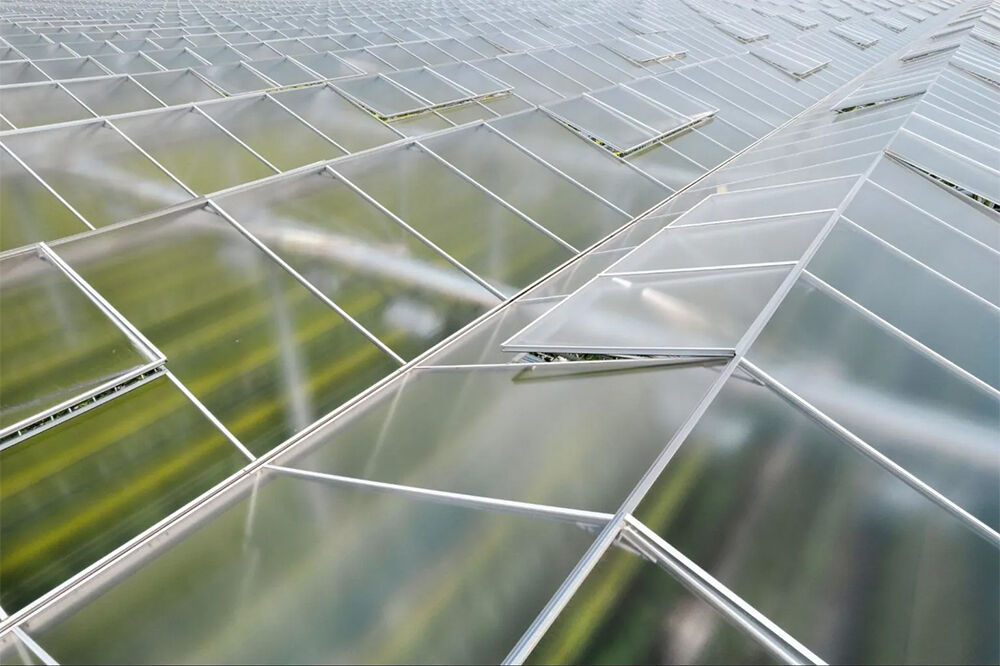
Getting the design right makes all the difference when it comes to how well crops grow and what happens to expenses over time. Hoop houses made from those curved metal or plastic pipes are pretty affordable and easy to put together quickly, though they don't hold up so great against harsh winter storms or heavy snow loads. Greenhouses with gable roofs give plants more vertical space and handle snow much better, which is why many growers prefer them for taller vegetables and in colder regions where snowfall is common. The retractable roof versions let plants get fresh air and sunlight naturally when conditions permit, something that boosts airflow around the plants and can actually raise harvest amounts anywhere between 15% to 30%, as some greenhouse experiments have shown. When picking out a structure, think about what kind of weather dominates in your area and what sort of plants you want to grow there.
| Design | Best For | Limitations |
|---|---|---|
| Hoop House | Seasonal crops, tight budgets | Lower durability in extreme weather |
| Gable Roof | Year-round growing, heavy snow loads | Higher upfront cost |
| Retractable Roof | Climate-sensitive crops | Complex maintenance |
Choosing the right size and planning for expansion with your green house for sale
When planning a greenhouse, it makes sense to build something that fits what we need right now but also leaves space for future expansion. For folks just getting started with gardening, a small setup around 6 by 8 feet works great for growing herbs and starting seeds indoors. Those looking at commercial operations might want to think bigger from the beginning, aiming for at least 12 by 20 feet. Remember to leave about a third of the total area free for walking paths and storage of tools and supplies. Greenhouses designed in modular sections offer real advantages when business grows because adding new sections becomes straightforward as demand increases. These size guidelines serve as good starting points for most situations.
- Small (6x8 ft): Starter gardens
- Medium (8x12 ft): Diverse vegetable production
- Large (12x20+ ft): Commercial operations with walk-in access
Invest in flexible foundations and standardized framing to minimize retrofitting. A well-designed greenhouse supports 5-10 years of growth without structural overhauls.
Structural Materials and Long-Term Durability
Evaluating frame materials (aluminum, steel, wood) and glazing options (glass, polycarbonate)
Material selection affects longevity, energy efficiency, and maintenance. Aluminum frames resist corrosion and require minimal upkeep-ideal for humid environments. Galvanized steel offers superior strength but needs protective coatings in coastal areas to prevent rust. Wood provides natural insulation but requires regular treatment against rot and pests.
For glazing, compare key properties:
| Property | Glass | Polycarbonate |
|---|---|---|
| Light Transmission | 90-95% (optimal) | 80-90% (diffused) |
| Impact Resistance | Low (fragile) | High (200x stronger) |
| Insulation Value | Moderate | High (multi-wall) |
| UV Protection | Requires coating | Built-in filters |
Polycarbonate™s thermal efficiency can reduce heating costs by up to 30% compared to single-pane glass, while its durability simplifies installation and lowers long-term repair risks.
Foundation stability, insulation efficiency, and UV protection in greenhouse construction
Getting a solid base really matters when it comes to resisting movement from winds reaching speeds of around 90 miles per hour. Concrete piers work well for this purpose, as do properly treated wooden supports. When talking about insulation, double layer polycarbonate panels make a big difference. They trap air between them which helps reduce heat escape compared to single layer options, maybe somewhere around 40 percent less loss actually. The glazing material needs UV protection too because regular stuff breaks down much quicker when exposed to sun rays. Without proper protection, materials can lose their integrity at about 7 times the rate, which means structures might fail within just three to five years if left unchecked. Don't forget to seal those gaps between panels using good quality weather resistant seals. This helps keep moisture levels consistent inside the space and ultimately keeps plants healthier over time.
Climate Control and Ventilation Systems
Maintaining ideal temperature, humidity, and airflow for plant health
Keeping stable environmental conditions is key for getting good crop yields. Most greenhouses aim for around 60 to 75 degrees Fahrenheit with humidity levels between 40 and 70 percent. When air doesn't circulate properly, problems start showing up fast. We've all seen what happens when there's not enough airflow - powdery mildew takes over in no time. Too much moisture on the other hand leads to root rot issues that can wipe out entire batches. That's why many growers install Horizontal Air Flow systems these days. These setups help spread air throughout the space so temperature differences don't get too extreme and everyone gets their fair share of CO2. Modern greenhouses rely heavily on automated monitoring equipment now. Sensors constantly check everything and kick in fans or dehumidifiers whenever things go outside acceptable ranges. For instance, if night temps drop below 50 degrees, tomatoes just stop growing altogether. And when humidity climbs past 80%, botrytis becomes a real nightmare to deal with. Getting the vapor pressure deficit right matters too because it directly affects how well plants absorb nutrients from the soil.
Integrating shading, cooling, and automated ventilation in your green house for sale
Modern greenhouses combine multiple systems for precise climate management:
- Retractable shade screens reduce solar heat gain by 30-50% during peak sunlight
- Evaporative cooling pads lower temperatures by 10-15°F in dry climates through water evaporation
- Automated vent controllers adjust roof vents based on real-time weather data, preventing sudden temperature shifts
Demand controlled ventilation adjusts gradually based on what the sensors pick up, saving power without messing up the indoor climate too much. Think about retractable roofs during those hot summer months when they let fresh air flow through, yet still hold onto that warmth during colder seasons thanks to their thermal properties. Then there are these things called Energy Recovery Ventilators or ERVs for short. They work wonders for green buildings because they basically swap heat from the air going out with the air coming in. Pretty clever stuff really! All these different components working together create spaces that can be customized just right for whatever needs them, whether it's growing leafy greens that hate heat or delicate flowers needing specific moisture levels to thrive properly.
Budget, Maintenance, and Crop-Specific Requirements
Balancing upfront cost with long-term operational needs and ROI
When evaluating a green house for sale, focus on total lifecycle cost, not just initial price. A $15,000 model may incur 40% higher energy costs than a $25,000 thermally optimized unit (Protected Ag 2023). Prioritize:
- Energy efficiency: Double-walled polycarbonate reduces heating needs by 25-30%
- Automation ROI: Climate control systems typically pay for themselves in 3-5 years via labor savings and yield gains
- Maintenance: Galvanized steel requires 60% less upkeep than wood
These investments enhance durability and profitability over time.
Aligning greenhouse features with intended crops and growing methods
Crop type dictates structural and environmental needs. High-value tomatoes require precise humidity control (70-80% RH), while leafy greens grow well in basic hoop houses. Match features accordingly:
| Crop Type | Critical Features | Cost Premium |
|---|---|---|
| Orchids | Retractable shade, fog systems | 20-25% |
| Hydroponic lettuce | NFT channels, LED lighting | 15-20% |
| Berry crops | Elevated gutters, insect screens | 10-15% |
Modular designs support phased expansion as your crop mix evolves. For soil-based systems, ensure floor load capacity exceeds 150 lb/ft² to support raised beds and equipment.
FAQ
What is the best orientation for a greenhouse?
The best orientation for a greenhouse is typically facing south or southeast if located in the northern hemisphere, ensuring optimal sunlight exposure, especially during winter seasons.
How does climate affect greenhouse design?
Climate affects greenhouse design by dictating the need for stronger frames in windy areas, steeper roofs in snowy regions, and robust insulation for temperature control.
Why is modular design important in greenhouses?
Modular design allows for easy expansion, facilitating future scalability as demand increases and requirements evolve.
How can energy efficiency impact greenhouse costs?
Energy efficiency, such as using double-walled polycarbonate, can reduce operational heating costs significantly, thus enhancing long-term savings and profitability.
What role does ventilation play in a greenhouse?
Ventilation is crucial for maintaining proper temperature, humidity, and air circulation, which are essential for plant health and preventing issues like mildew or root rot.