 EN
EN


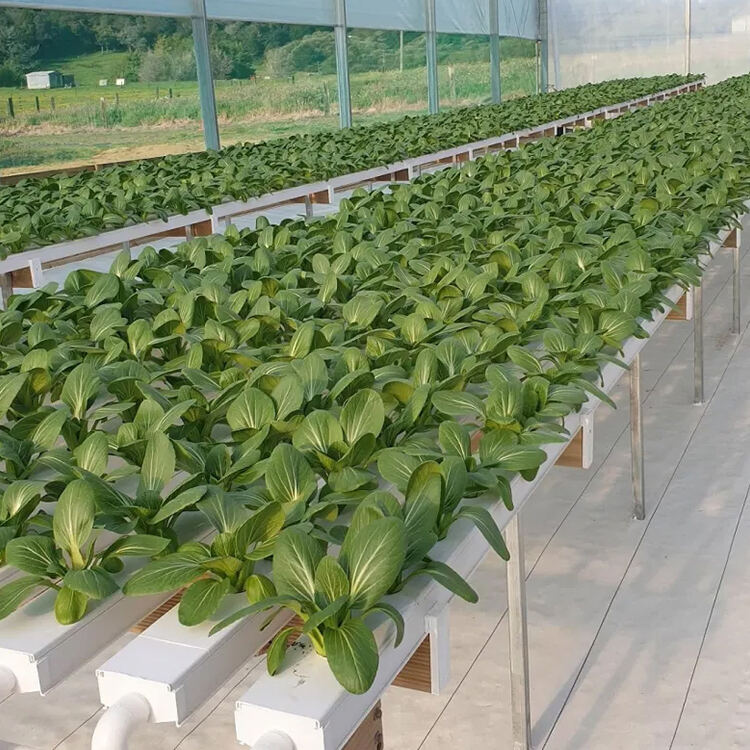
Greenhouse Readiness: Optimizing Environment for a Hydroponics System
Evaluating Space, Light Exposure, and Climate Stability
Start by figuring out how big your greenhouse actually is so there's enough space for water tanks and paths between plants. Most hydroponic plants need around 12 to 16 hours of good light each day. Check where the sun hits throughout the day and consider adding those full spectrum LED lights when natural light drops below about two thirds of what's needed. Keep an eye on temperature and moisture levels too. Get yourself some digital thermometers and hygrometers for this job. Try to keep things comfortable for plants with temps between 65 and 80 degrees Fahrenheit, not letting them swing more than 15 degrees in a single day. Humidity should stay somewhere between 40% and 60%, which helps plants breathe properly without inviting mold problems. For smaller greenhouses especially, pouring a concrete base makes a real difference in keeping roots at stable temperatures since these spaces don't hold heat as well as bigger ones do.
Ensuring Proper Ventilation and Temperature Consistency
Putting oscillating fans at canopy level helps strengthen plant stems and gets rid of those stagnant air pockets where mold likes to grow. For passive roof ventilation, aim for full air exchange roughly every 3 to 5 minutes throughout the growing space. When summer rolls around, 30% shade cloth works wonders for cutting down on solar heat gain, especially when combined with exhaust systems that kick in once temps hit 75 degrees Fahrenheit. Winter brings different challenges too. Radiant floor heating or those big water barrels filled with thermal mass can really help buffer against sudden temperature drops, which matters a lot for keeping nutrient solutions stable. Don't forget to seal up any gaps in the structure either, because even small drafts will mess with both air and water temperatures inside. Maintaining consistent conditions across the board just makes sense if we want to avoid the kind of stress-related losses that plague so many hydroponic setups these days.
Choosing the Right Hydroponics System: Why Deep Water Culture Fits Small Greenhouses
Advantages of DWC for Simplicity, Scalability, and Low Maintenance
Deep Water Culture or DWC works really well for small greenhouse setups because it's mechanically simple, can be scaled up easily, and doesn't need much ongoing attention. The system basically needs just four main parts: a tank to hold water, those plastic net pots where plants sit, an air pump, and an air stone to bubble air through the water. This cuts down setup time by around two thirds when compared to other methods such as ebb and flow systems or aeroponics which require more complicated installations. When growers want to expand their operation, they can just add more buckets identical to what they already have without having to redo all the plumbing or build new structures. What most people find handy is that regular maintenance consists mostly of checking pH levels once a week and topping off nutrients in the reservoir. There are no tricky pumps or timers to fix, nor any long lines of tubing to worry about. And here's something interesting from research folks have noticed: plants grown in this oxygen rich water tend to grow anywhere between 30 to 40 percent faster even when space is limited, according to studies done in agricultural engineering labs.
Real-World Validation: UC Davis 2022 Trial on DWC Efficiency in Compact Spaces
In 2022 researchers from UC Davis ran a test comparing six different hydroponic setups inside standard sized greenhouses measuring around 8 by 10 feet each. The deep water culture system beat the nutrient film technique hands down, giving farmers about 22 percent more lettuce per square foot and using 15 percent less power to boot. What makes DWC so good? Well, it has this vertical root zone setup that gets rid of all those horizontal pipes taking up precious growing space and constantly getting clogged. And here's something interesting: even when temperatures fluctuated, DWC kept things stable within just one degree Celsius without needing any extra cooling equipment. That kind of natural temperature control makes it pretty resilient for smaller operations where fancy climate control systems aren't always feasible.
Building Your Hydroponics System: Step-by-Step DWC Assembly
Container Selection, Drilling, and Aeration Setup
For blocking out light and stopping algae growth, go with an opaque food grade container around 5 to 10 gallons in size works well. The lid needs holes drilled about 6 to 8 inches apart for those net pots we mentioned earlier, and don't forget a single hole on the side for connecting that food grade air tubing. Getting a 4 watt air pump paired with a good quality air stone makes all the difference. Those tiny bubbles it creates really get into the water, keeping everything properly oxygenated while also helping avoid that dreaded root rot problem. Gardeners who have tried this simple aeration method report seeing their plants produce roughly 30 percent more than what they normally would without any air circulation at all.
Nutrient Solution Preparation and pH Calibration Best Practices
When mixing nutrient solutions for hydroponics, stick to formulas designed specifically for this purpose and combine them with water at room temperature. For new seedlings, start with just a quarter strength solution to prevent shocking delicate roots. Before every measurement, make sure the pH meter is properly calibrated using those certified buffer solutions everyone recommends. Most leafy greens and herbs thrive around pH levels between 5.5 and 6.5. When adjusting pH levels, go slow and steady. Add either pH-up or pH-down in small doses about 0.5 mL per gallon of solution, give it time to settle for about 15 minutes, then check again. Keep an eye on electrical conductivity too, aiming for readings between 1.2 and 2.0 mS/cm for leafy plants. Check these numbers once a week as part of regular maintenance. Regular calibration isn't just good practice it's essential because nutrient lockout can seriously hurt plant growth, sometimes cutting yields by as much as 40% in systems that aren't well maintained.
Maintaining System Performance: Monitoring and Troubleshooting Your Hydroponics System
Preventative monitoring is the cornerstone of reliable DWC performance. Test pH weekly (ideal range: 5.5–6.5) and measure EC every 3–4 days to guide nutrient replenishment. Keep reservoir temperature between 68°F–73°F (20°C–23°C) and ambient humidity at 40–60% to suppress pathogens like powdery mildew. Address issues promptly:
- Algae growth: Block all light from reservoirs and clean tanks/tubing biweekly
- Leaks: Inspect seals and tubing monthly; replace cracked components immediately
- Nutrient imbalances: Yellowing leaves often indicate nitrogen deficiency—adjust ratios based on growth stage
- Root rot: Brown, slimy roots signal low dissolved oxygen—verify aeration function and increase airflow if needed
Seasonal adjustments matter a lot. During hot months, adding chillers helps plants cope with excessive heat. When temperatures drop in winter, submersible heaters become essential for keeping roots warm enough to survive. Spending about 15 minutes each day checking things visually works wonders too. Most problems get spotted before they become major issues through this simple routine. Biological pest control methods such as introducing ladybugs fit well within integrated pest management approaches, reducing reliance on chemicals over time. Keeping track of what gets done during these maintenance periods allows growers to tweak their methods between growing seasons. The more detailed records kept, the better understanding of how different practices affect crop yields year after year.
FAQ Section
Why is deep water culture (DWC) suitable for small greenhouse setups?
DWC is ideal for small greenhouses due to its simplicity, scalability, and minimal maintenance. It requires fewer components and allows for easy expansion by adding more identical buckets.
How can I ensure proper ventilation in my greenhouse?
Ensure proper ventilation by using oscillating fans and passive roof ventilation to reduce air pockets and mold growth. Aim for full air exchange every 3 to 5 minutes.
What are the benefits of a concrete base in smaller greenhouses?
A concrete base helps stabilize root temperatures, an essential factor for smaller greenhouses which don't retain heat as efficiently as larger ones.
How frequently should pH and electrical conductivity be tested in a DWC system?
pH should be tested weekly and electrical conductivity every 3-4 days to ensure optimal nutrient levels and plant health.
Table of Contents
- Greenhouse Readiness: Optimizing Environment for a Hydroponics System
- Choosing the Right Hydroponics System: Why Deep Water Culture Fits Small Greenhouses
- Building Your Hydroponics System: Step-by-Step DWC Assembly
- Maintaining System Performance: Monitoring and Troubleshooting Your Hydroponics System
- FAQ Section