 EN
EN


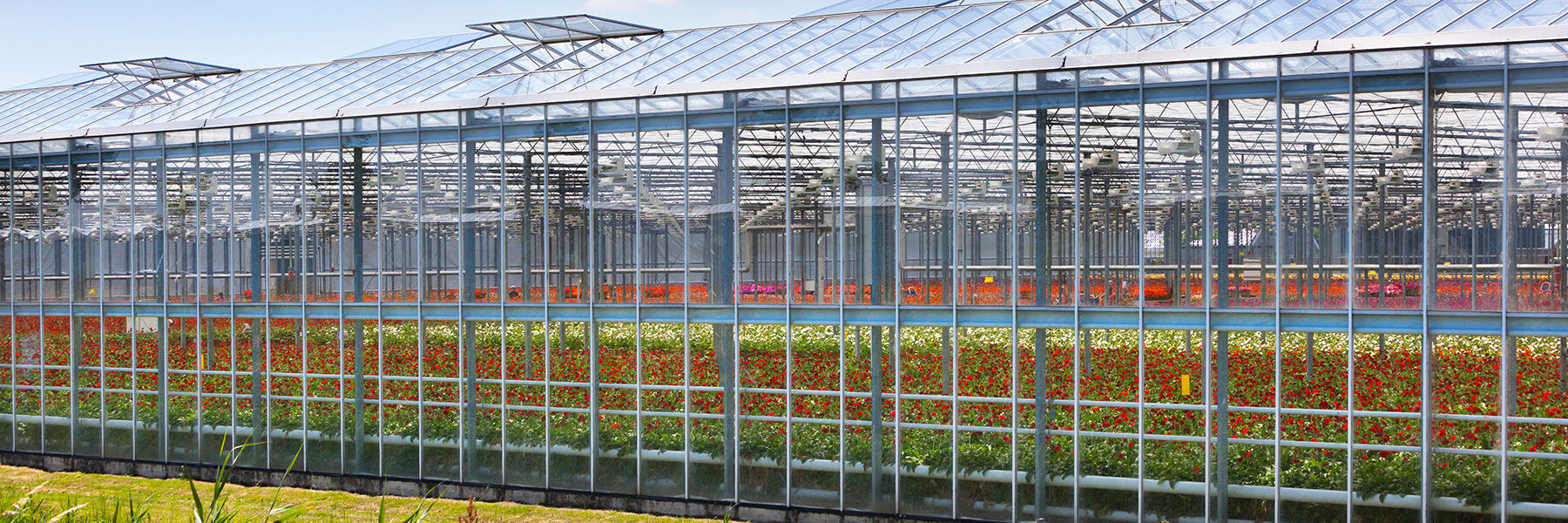
Unmatched Light Transmission and Spectral Fidelity for Photosynthesis
PAR transmission rates: How horticultural glass outperforms plastic glazings
Glass used in horticulture lets through much better PAR light than other materials. We're talking about around 90 to 95 percent transmission compared with polycarbonate at 80 to 88 percent or those plastic films at only 75 to 87 percent. What really matters is how long it lasts. Glass maintains most of its light transmitting power for decades, showing less than 2 percent loss after ten years. But look what happens to those plastic films instead. They start losing their effectiveness pretty fast, dropping down 30 to 50 percent within just three years because they turn yellow from UV exposure and get scratched up on the surface. The steady light coming through glass makes all the difference for plants needing lots of sunlight. That's why many growers prefer glass greenhouses when growing tomatoes, peppers or other crops that need strong light conditions to thrive properly.
Preserving full-spectrum light quality–especially blue and red wavelengths critical for photomorphogenesis
Glass keeps things pretty much intact when it comes to light transmission compared to plastic coverings that mess with the color balance. About 95 percent of those important blue wavelengths between 400 and 500 nanometers get through glass, something plants need for opening their pores and growing towards light sources. The red light portion from 600 to 700 nm passes through at around 93%, which is crucial for how plants absorb energy through chlorophyll. All this matters because plants actually develop properly based on these light patterns, affecting everything from when they flower to how much fruit they produce and overall growth. Plastic materials tend to block anywhere from 15% up to 30% of these vital light ranges as the material breaks down over time, making them less reliable for long term plant health applications.
Long-Term Optical Stability: Consistent Light Delivery Over Time
Minimal degradation: <2% PAR loss over 10+ years vs. 30–50% in polyethylene after 3 years
The crystalline structure of glass prevents molecular breakdown under solar exposure, ensuring crops receive consistent photosynthetic energy year after year. This optical stability eliminates yield fluctuations caused by deteriorating glazings–where plastic greenhouses require frequent film replacement to compensate for accelerating light loss.
Resistance to UV yellowing, scratching, and thermal haze in tempered or low-iron glass
Advanced glass formulations combat three key degradation threats:
- UV yellowing: Specially formulated coatings block ultraviolet damage that clouds plastics
- Surface scratching: Tempered glass achieves 5–7× greater scratch resistance than polycarbonate
- Thermal haze: Low-iron variants maintain >90% clarity despite temperature swings
While polyethylene develops permanent clouding after 18 months of UV exposure, glass surfaces retain original light-diffusing properties–particularly valuable in high-heat environments where thermal stress causes plastic to warp and develop light-scattering microfractures.
Durability and Environmental Control Advantages of a Glass Greenhouse
Glass greenhouses stand out for their long lasting durability and ability to control the environment really well, which is super important for serious farming operations. Glass doesn't yellow over time, resists scratches pretty well, and won't warp when exposed to heat changes, so it keeps delivering good quality light without needing replacement after just a few seasons. What makes glass even better is how stable it stays, making it easy to work with all sorts of climate control tech like automatic vents, humidity regulators, and heating systems. Growers can then keep track of carbon dioxide levels, temperatures within about 1 degree Celsius range, and set up proper watering schedules. Studies indicate that this kind of controlled environment actually helps plants grow faster. For example, tomato crops in these glass houses tend to produce around 15 to 20 percent more each year because they experience fewer stress points. Plus, using tempered or laminated safety glass means there's less chance of breakage during storms or heavy snowfall, and this cuts down on repair bills by roughly 40 percent compared to those plastic greenhouse alternatives.
Strategic Considerations: When Glass Greenhouse Benefits Align with Crop Physiology
Optimizing light use for high-value, light-demanding crops (e.g., tomatoes, cucumbers, cut roses)
Glass greenhouses maximize photosynthetic efficiency for crops requiring intense illumination. High-light species like tomatoes and cucumbers show 15–30% higher yields under glass versus polycarbonate, thanks to superior PAR transmission and spectral fidelity. This precision light control directly influences fruit set and flowering cycles in high-value ornamentals like cut roses.
Mitigating photoinhibition risk through diffused glass options–not just clarity
Traditional clear glass definitely lets in more light straight through, but there's something special about diffused glass when it comes to protecting plants from too much sun damage. These newer panels actually scatter the harsh sunlight instead of letting it blast down on crops all at once. Tests show they cut the strongest light by somewhere between 20 to maybe even 40 percent, which helps prevent those brown spots on leaves and stops plants from basically shutting down their food-making process around noon time. What's really cool is how this diffusion keeps all the good light coming in overall, just spreads it out better so no single spot gets too hot. Growers have noticed this makes a big difference with things like peppers, where sunburn used to be such a problem. We're seeing fewer cases of fruit getting damaged by direct sunlight now. For anyone running a greenhouse operation, combining good light transmission with smart diffusion technology has become pretty much essential nowadays if they want to protect their plants from getting overwhelmed by sunlight while still making sure everything grows properly.
FAQs
What is PAR and why is it important for greenhouses?
PAR stands for Photosynthetically Active Radiation, which is the light wavelength range plants absorb and use for photosynthesis. It is crucial for optimizing plant growth in greenhouses.
Why does glass outperform plastic materials in greenhouses?
Glass offers higher PAR transmission rates, maintains long-term light clarity and stability, and resists UV damage and scratching more effectively than plastic materials.
Are there specific crops that benefit more from glass greenhouses?
High-light demanding crops like tomatoes, cucumbers, and cut roses benefit significantly from the superior light transmission and spectrum fidelity provided by glass greenhouses.