 EN
EN


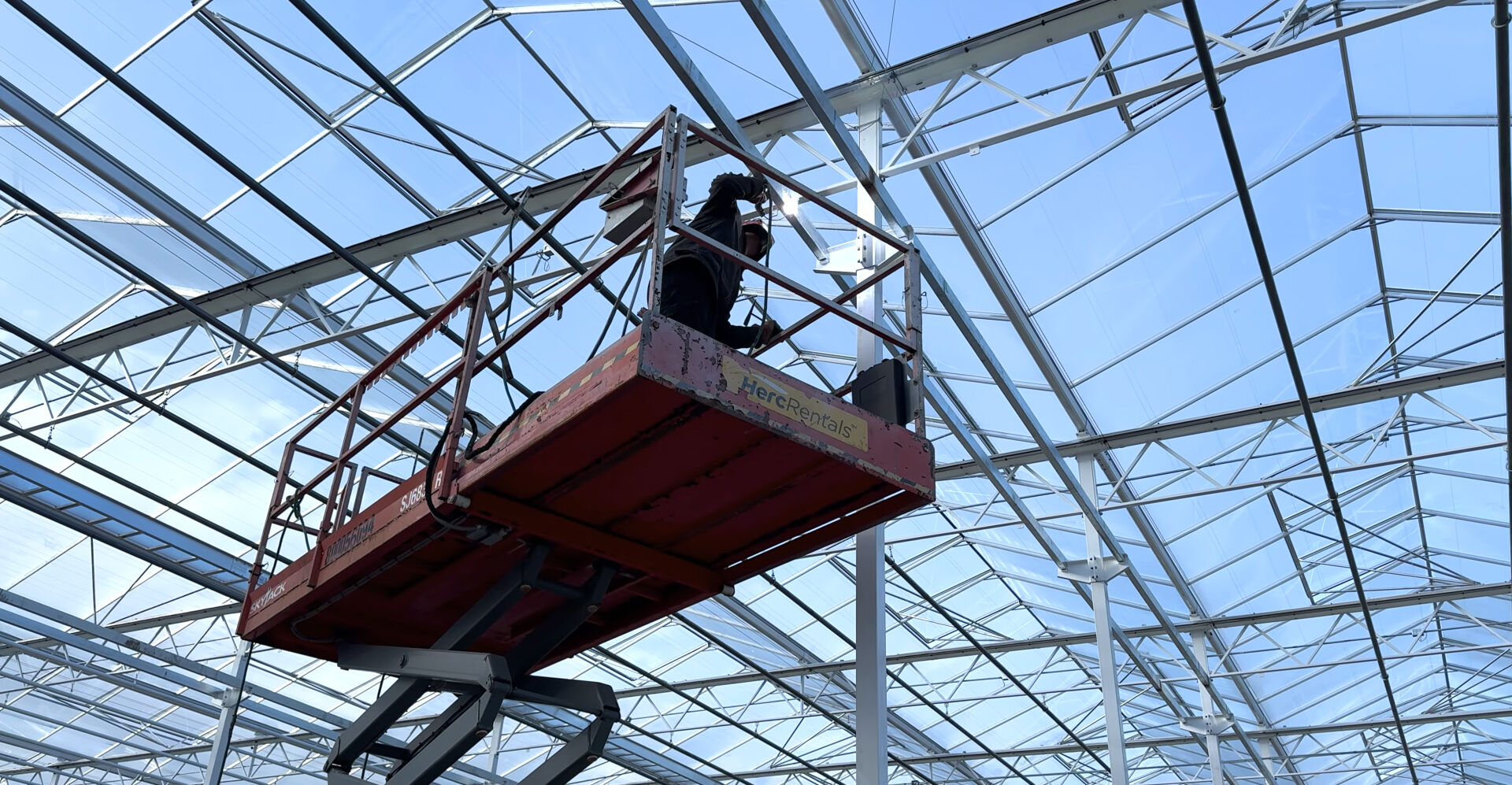
Understanding Core Design Principles Behind Effective Greenhouse Plans
Key Principles of Greenhouse Design and Planning
How Purpose of Greenhouse Influences Layout and Functionality
Greenhouses meant for growing tomatoes commercially need completely different infrastructure compared to those set up for teaching about plants or doing research. The commercial ones need around 20 to 30 percent extra space horizontally so they can fit in machines that harvest automatically. Research greenhouses are different though; they focus more on creating separate areas where scientists can run their experiments under controlled conditions. Looking at data from agricultural facilities in 2024 showed something interesting too: when buildings were specifically designed for their intended use, maintenance expenses dropped by about 18% over time compared with generic setups that weren't tailored to specific needs.
Research vs Production Greenhouse: Structural and Operational Differences
Most production greenhouses go with those single span arch roof designs because they save space and are pretty straightforward to build. Research facilities tell a different story though, often going all out with vertical farming walls and multiple levels of growing benches stacked on top of each other. When it comes to temperature control, research greenhouses need much tighter regulation than what commercial operations get away with. The target here is around plus or minus 1 degree Fahrenheit, whereas regular greenhouses can handle variations up to 5 degrees. Getting this kind of precise climate control definitely adds to the bottom line. Structural engineers charge about 22 percent more for these specialized builds, but the payoff is worth it for researchers who want to grow delicate plant varieties throughout the entire year regardless of what's happening outside.
Common Mistakes in Early-Stage Greenhouse Planning
Evaluating Greenhouse Types, Sizes, and Climate-Specific Adaptations
Comparing Types of Greenhouses: Hoop Houses, Gable Roofs, and Quonset Designs
The structural design of a greenhouse directly impacts its functionality and resilience. Three primary designs dominate modern horticulture:
| Type | Key Features | Best For |
|---|---|---|
| Hoop Houses | Low-cost curved frames, polyethylene | Seasonal crop protection |
| Gable Roofs | Steep-angled roofs, glass/polycarbonate | Snow-prone regions |
| Quonset | Full-circle arches, wind-resistant | Coastal/high-wind areas |
A 2019 Solar Energy review of 142 greenhouse projects found climate-appropriate designs reduce heating costs by 18–34% annually. Hoop houses excel in temporary setups but struggle with heavy snow loads, while gable roofs allow better light diffusion for year-round growing.
Climate-Responsive Greenhouse Structure Selection
Determining Optimal Greenhouse Size and Dimensions for Home and Commercial Use
For residential setups, the 8–12 ft (2.4–3.6 m) footprint supports 150–200 plants while fitting urban lots. Commercial operations require 1,000+ sq ft (93+ m²) for viable crop rotations. A 12-month University of Horticultural Sciences trial found undersized commercial greenhouses (below 800 sq ft/74 m²) yield 23% fewer marketable crops due to inadequate spacing.
Space Efficiency and Access Requirements in Greenhouse Layouts
The central aisle width of about 4 feet (or 1.2 meters) makes room for carts while still leaving plenty of space for plants to grow properly. Many growers are switching to vertical setups these days too. These systems can fit three tiers under standard 8 foot (2.4 meters) ceilings, which means they get three times as much basil grown in the same floor area compared to older flat arrangements. Retractable benches are becoming really popular among farmers lately. According to a recent survey from Golafroos Agricultural Report back in 2023, around seven out of ten growers found it much easier to check for pests when their benches could be moved around instead of being stuck in place all the time.
Selecting Durable Materials and Structural Systems for Long-Term Performance
Evaluating Greenhouse Construction Materials: Polycarbonate, Glass, and Polyethylene
Engineering and Structural Support for Greenhouses in High-Wind Regions
When winds hit over 90 miles per hour, buildings need special engineering fixes. Corner joints should have diagonal bracing, anchor bolts between foundation and structure need to be no more than four feet apart, and continuous base channels work better than just sticking in random stakes here and there. According to ASAE standards, those curved roofs we see at farms and storage facilities actually cut down wind pressure by around 37 percent when compared to traditional peaked gable roofs. Makes sense for areas where hurricanes roll through regularly, right? The savings in structural stress alone is worth considering during construction planning stages.
Foundation Options and Load-Bearing Considerations for Permanent Installations
| Foundation Type | Best For | Load Capacity | Installation Cost |
|---|---|---|---|
| Concrete Piers | Heavy Snow Regions | 12,000 lbs | $18–$22/sq ft |
| Gravel Pads | Temporary Setups | 3,500 lbs | $6–$8/sq ft |
Permafrost zones require helical pile foundations to prevent frost heave, while clay soils benefit from monolithic slabs.
Trend Analysis: Rise of Recycled and Sustainable Building Materials in Greenhouse Builds
Bio-based polycarbonates (32% recycled content) now match virgin material strength at 54 MPa compressive resistance (Material Innovation Initiative 2024). Cross-laminated timber (CLT) foundations reduce embodied carbon by 68% versus concrete. Rice husk-infused poly panels withstand 15+ years of saline coastal air with proper UV stabilization.
Finding Trusted Sources for DIY Greenhouse Plans and Kits
Top Platforms Offering Reliable Greenhouse Plans and DIY Kits
The best DIY greenhouse plans come from specialized websites and agricultural extension services. According to the National Gardening Association's 2024 report, around two thirds of people who successfully build greenhouses get their blueprints from these trusted sources. Good quality platforms focus on making sure structures can withstand real world conditions. They include things like calculating how much wind pressure the frame can handle, checking materials for long term durability, and adapting designs based on local weather patterns. When it comes to bigger commercial operations, professional grade design manuals are essential. These contain important information about frost line depths and maximum snow loads that just aren't found in those free online plans everyone shares.
Step-by-Step Breakdown of a Verified DIY Lean-To Greenhouse Plan
Competent lean-to greenhouse plans include cross-sectional drawings of anchor bolt placement, rafter spacing diagrams, and ventilation-to-floor area ratios. A well-structured guide will specify foundation depth requirements relative to local frost lines, glazing angle optimization for winter light capture, and emergency bracing protocols for regions with >30 mph wind averages.
User Reviews and Reliability Metrics for Popular Greenhouse Plan Providers
Cross-referencing builder feedback reveals consistent pain points: 42% of failed DIY projects attribute errors to ambiguous materials lists or omitted welding specifications. Prioritize providers with version-controlled plan updates addressing common build errors, open-access user forums moderated by structural engineers, and third-party validation from horticultural institutions.
Free vs. Paid Greenhouse Plans: Assessing Value and Accuracy
Free plans work fine for small projects below 100 square feet, but when building something bigger than 400 square feet, investing in paid blueprints pays off in the long run. Recent studies from 2024 indicate that going with professionally designed plans cuts down on wasted materials by about 19%, plus they help avoid expensive mistakes with foundations later on. People working with tight budgets (under $2,000) might want to check out what local universities offer through their extension services. Many provide free building templates complete with handy load calculation tools built right in these days. These resources are especially good for folks just starting out who need to learn how not to overdo things structurally without spending a fortune upfront.
When to Choose Custom Greenhouse Plans with Professional Consultants
When to Hire Professional Help: Signs You Need a Greenhouse Consultant
When dealing with big ticket items like commercial greenhouses or setting them up in really harsh weather conditions, custom plans are pretty much a must have these days. Most professionals will tell anyone who asks that anything over around 1,000 square feet usually needs proper engineering work because of all sorts of issues including heavy snow buildup, strong winds blowing through, and getting those heating/cooling systems right something most weekend warriors simply can't handle. And then there are those special cases too where people want to grow things under strict medical standards or combine fish farming with plant growing setups which definitely calls for someone knowledgeable coming in from outside the family circle.
How Working with Greenhouse Consulting Partners Improves Project Outcomes
Getting greenhouse consultants involved from the start of design can save a lot of money later on by preventing errors related to materials and structural decisions. These experts bring something valuable to the table with their knowledge about adapting structures for specific climates and making sure everything meets those local building regulations. When it comes time to install things like solar panels or automatic climate control systems, which require exact measurements and specifications, having someone with this kind of experience becomes really important for getting things right the first time around.
Off-the-Shelf vs. Custom-Designed Greenhouses: Making the Right Choice
Prefab greenhouses work okay for small scale or seasonal growing, but when it comes to running a full time commercial operation, nothing beats a custom built design. Recent studies looking at different building approaches show that made to order structures handle local climate conditions much better and meet the actual day to day needs of serious growers. Most commercial farmers who have gone down this route report that despite higher upfront costs, their customized greenhouses pay off in the long run. The improved layout makes better use of available space while cutting down on heating and cooling expenses, which adds up to real money saved year after year as production levels stay consistently high.
FAQ About Effective Greenhouse Planning and Design
What are the key differences between research and production greenhouses?
The primary differences lie in structural design and temperature control. Research greenhouses utilize vertical farming and precise climate regulation, whereas production greenhouses favor single span arch designs that are straightforward to build.
How does greenhouse design impact heating costs?
Climate-appropriate designs significantly reduce heating costs. According to a 2019 review, such designs can lower costs by 18–34% annually.
Why should one consider custom greenhouse plans?
Custom plans are ideal for large commercial greenhouses or those in harsh climate conditions, ensuring better adaptations, compliance with local regulations, and optimized functionality.
Are free or paid greenhouse plans better?
Free plans are suitable for small projects, but paid plans are advisable for larger endeavors, as they provide precise guidance and help mitigate potential structural mistakes.
Table of Contents
- Understanding Core Design Principles Behind Effective Greenhouse Plans
- Evaluating Greenhouse Types, Sizes, and Climate-Specific Adaptations
-
Selecting Durable Materials and Structural Systems for Long-Term Performance
- Evaluating Greenhouse Construction Materials: Polycarbonate, Glass, and Polyethylene
- Engineering and Structural Support for Greenhouses in High-Wind Regions
- Foundation Options and Load-Bearing Considerations for Permanent Installations
- Trend Analysis: Rise of Recycled and Sustainable Building Materials in Greenhouse Builds
- Finding Trusted Sources for DIY Greenhouse Plans and Kits
- When to Choose Custom Greenhouse Plans with Professional Consultants