 EN

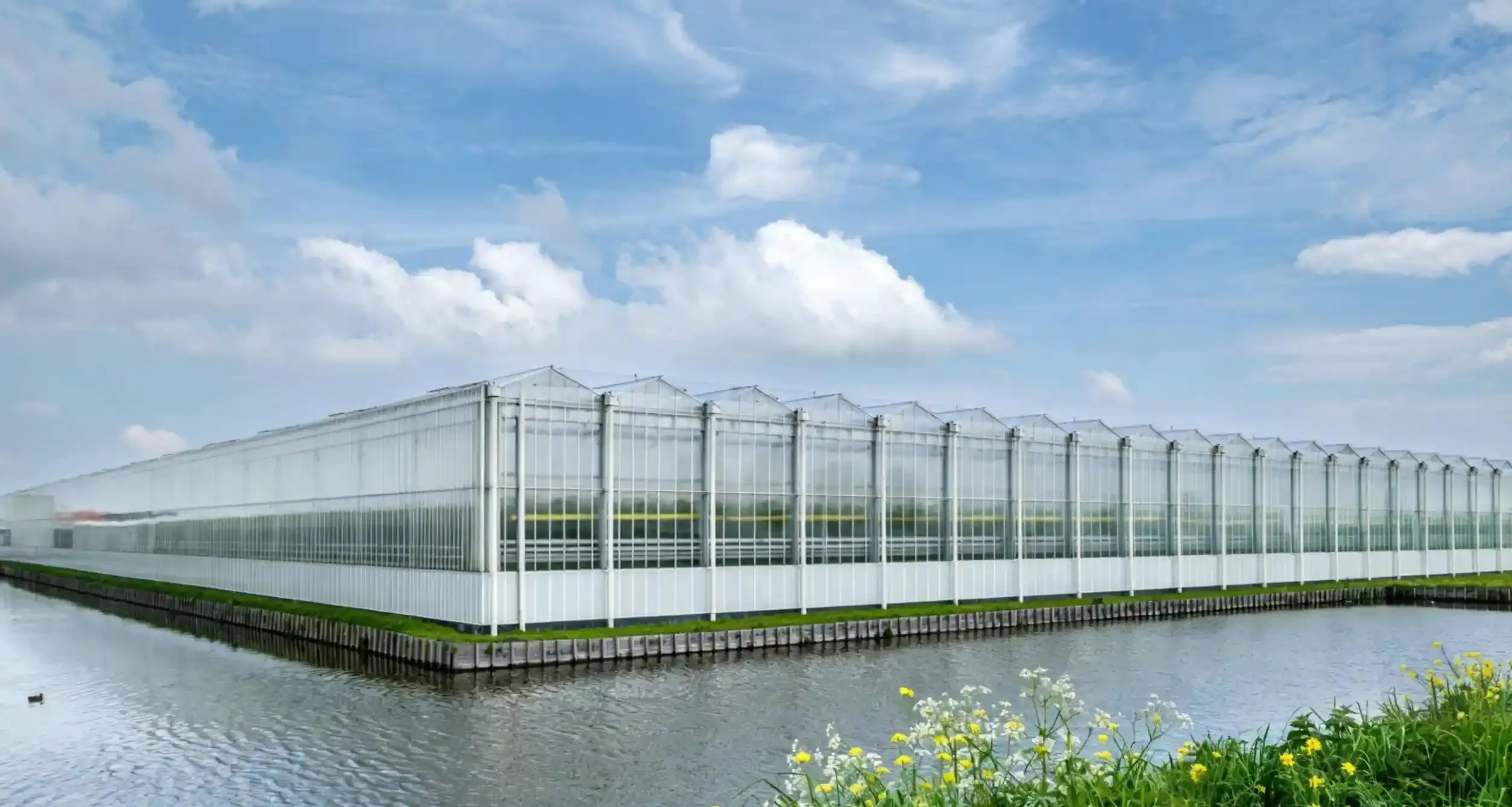
Choosing the right greenhouse structure before construction can affect your project cost, installation process, and long-term operation. Is a greenhouse a permanent or temporary structure? Understanding the differences in structural design, foundations, service life, and building requirements helps you make a more informed decision.
1. What Makes a Greenhouse Permanent or Temporary?
A greenhouse can be considered permanent, temporary, or semi-permanent depending on its structural design, foundation, installation method, and intended use. However, its legal classification may vary depending on local building regulations.
What Is a Permanent Greenhouse?
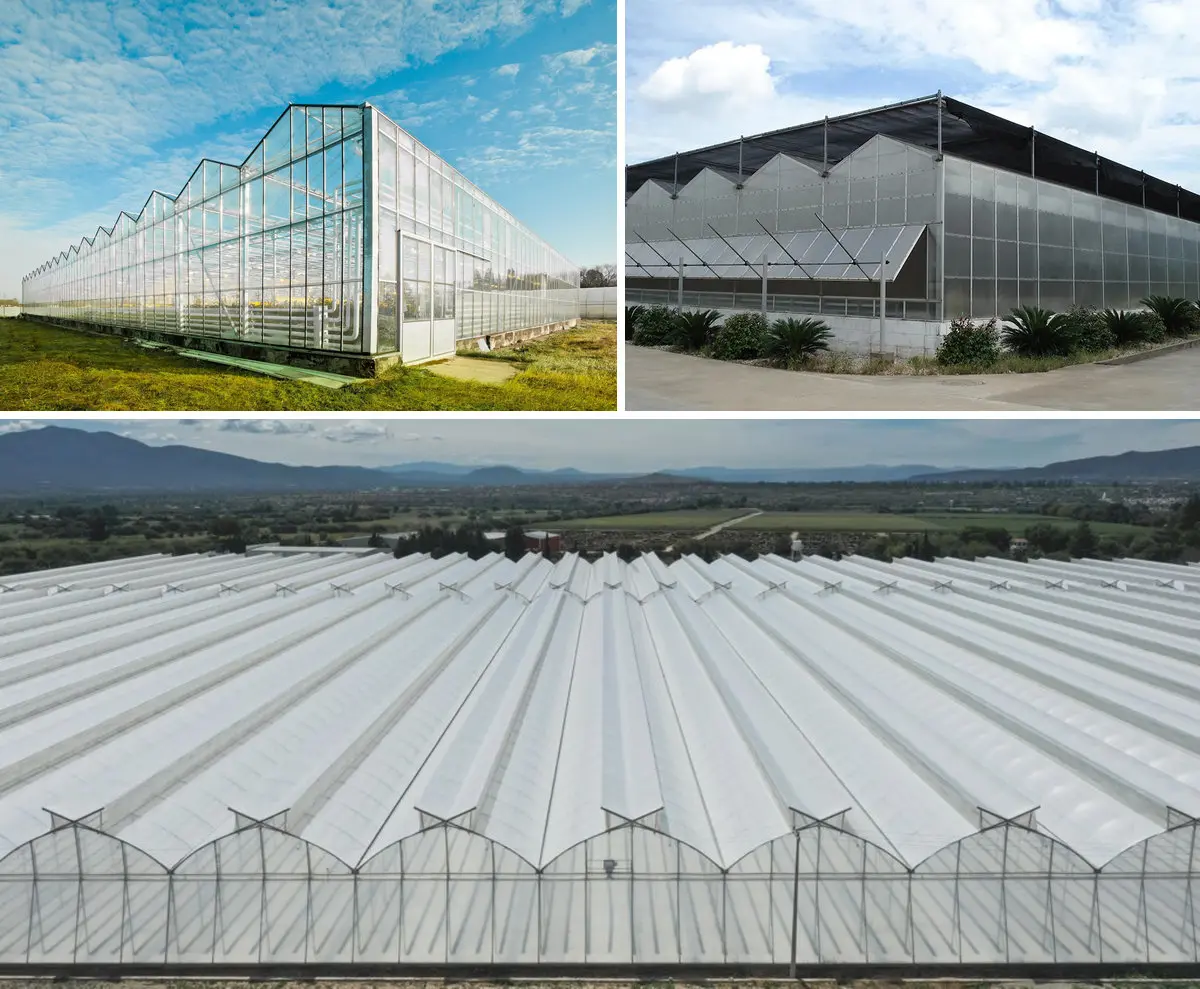
A permanent greenhouse is designed for long-term agricultural production. It typically uses an engineered structural frame, a planned foundation system, and covering materials selected for the project's operating conditions.
Common characteristics include:
Structural Frame: Galvanized steel or aluminum structures designed according to project requirements.
Foundation: Concrete foundations, isolated footings, or other engineered support systems.
Covering Materials: Glass, polycarbonate panels, or greenhouse film.
Installation: A planned construction process involving site preparation, structural installation, and supporting systems.
Intended Use: Long-term commercial growing, nursery production, or year-round agricultural operations.
For commercial growers, a permanent greenhouse can provide a stable foundation for production planning, equipment installation, and future expansion.
What Is a Temporary Greenhouse?
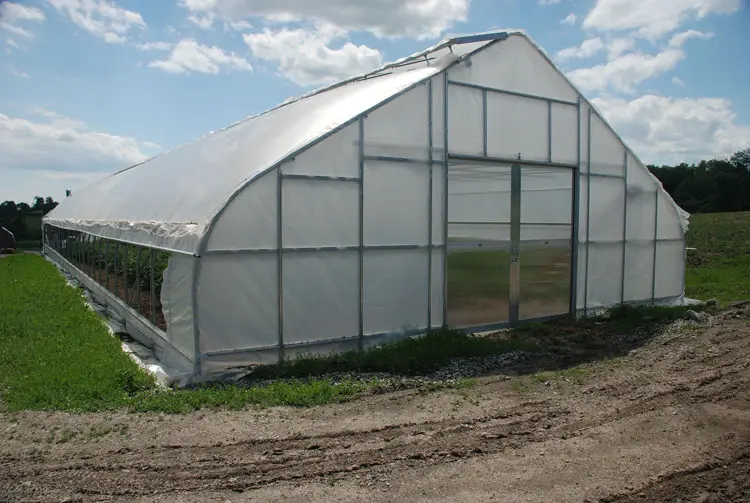
A temporary greenhouse is generally designed for seasonal cultivation, short-term crop protection, or flexible agricultural use.
Typical characteristics include:
Structural Frame: Lightweight steel frames, metal hoops, or modular structures.
Foundation: Ground anchors, driven posts, or other suitable fixing methods.
Covering Materials: Usually polyethylene greenhouse film.
Installation: Relatively simple assembly and installation, depending on the design.
Intended Use: Seasonal vegetable production, crop protection, and extending the growing season.
High tunnel greenhouses are a common example of structures used for seasonal growing. Their actual classification depends on their construction, installation, intended use, and local regulations.
What Is a Semi-Permanent Greenhouse?
A semi-permanent greenhouse combines features of permanent and temporary structures.
For example, it may use a galvanized steel frame with flexible film covering and a suitable anchoring system. This configuration can offer structural stability while maintaining installation flexibility.
Semi-permanent greenhouses may be suitable for growers who want to use the structure over multiple growing seasons without choosing a more complex building configuration.
Keep in mind that semi-permanent is a practical description rather than a universal legal classification.
2. Permanent vs. Temporary Greenhouses: 4 Key Differences
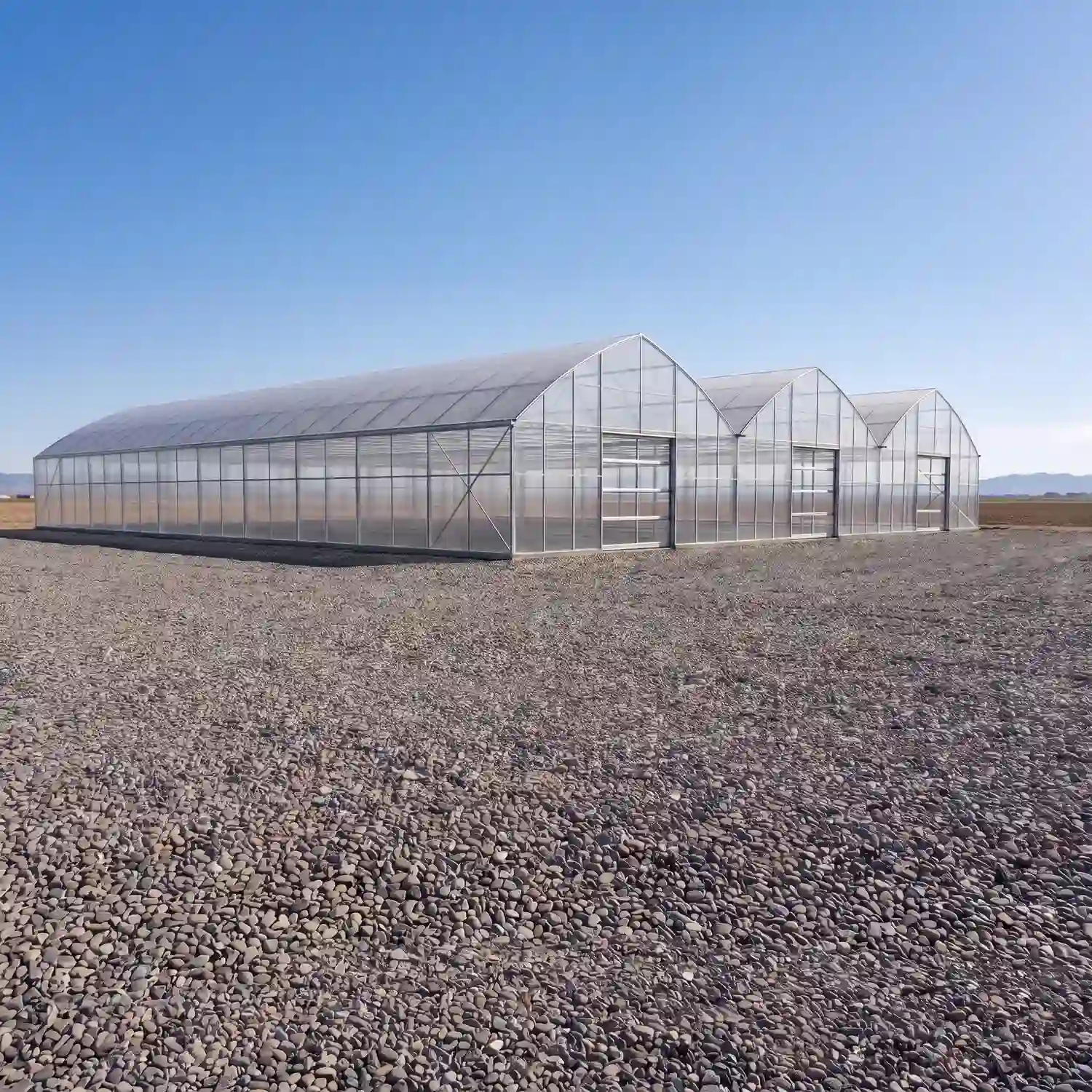
When comparing permanent and temporary greenhouses, you should focus on four important areas: structural design, foundation, expected service life, and construction requirements.
Structural Design and Building Materials
The structural frame is one of the main differences between permanent and temporary greenhouses.
A permanent greenhouse generally uses an engineered steel or aluminum frame. Its design considers greenhouse dimensions, span, height, covering materials, and environmental loads.
For example, a commercial multi-span greenhouse may include galvanized steel columns, beams, purlins, and connecting components to create a continuous growing space.
A temporary greenhouse often uses a lighter frame, such as metal hoops or modular supports. Its design usually focuses on installation flexibility and practical seasonal use.
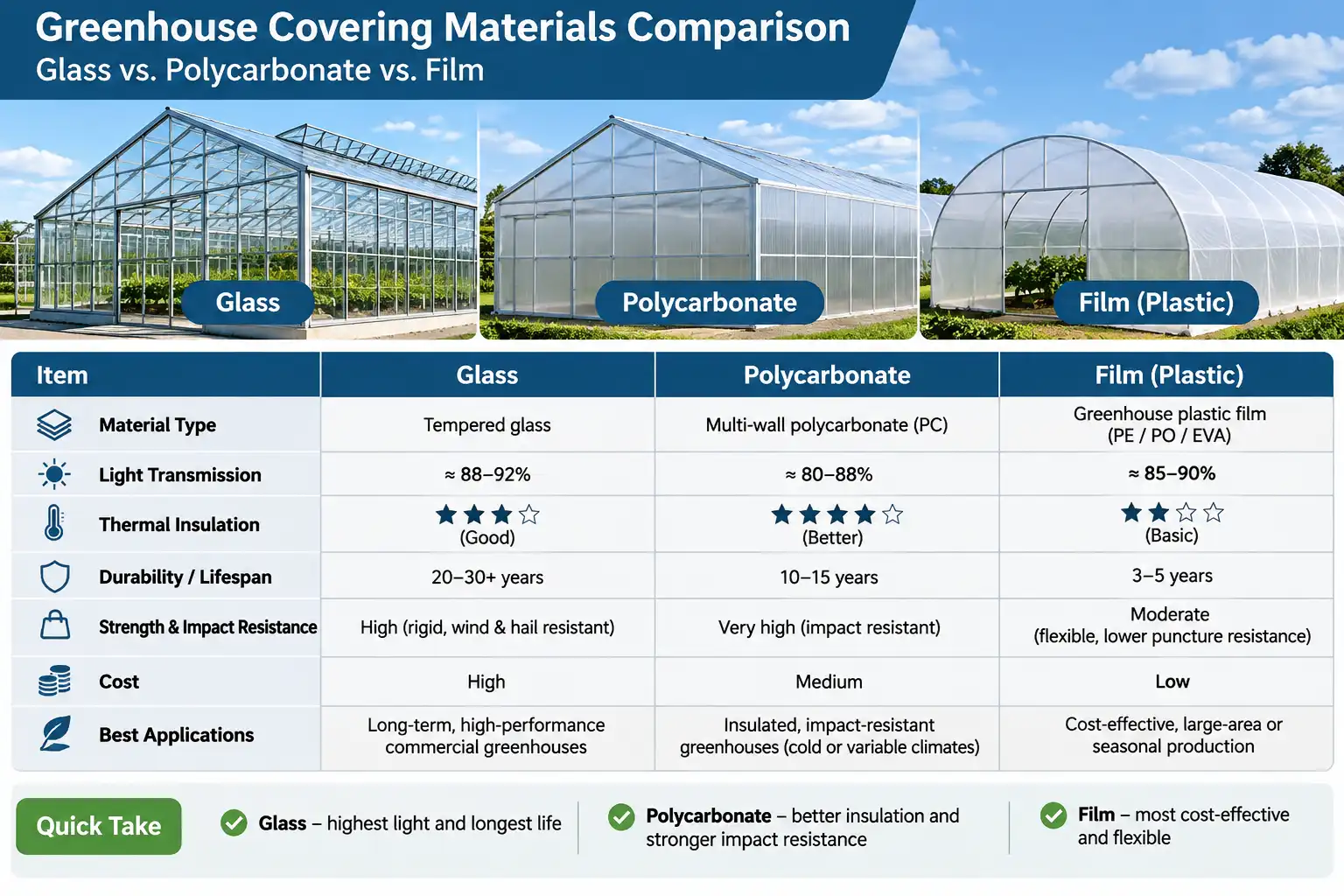
The covering material also affects the structural design:
Glass: A rigid covering that requires suitable supporting frames and glazing systems.
Polycarbonate: Lightweight panels that require compatible fixing and support details.
Greenhouse Film: Flexible covering material that uses suitable fixing, tensioning, and support systems.
Therefore, whether a greenhouse is classified as permanent or temporary cannot be determined solely by its covering material. Greenhouses covered with film can also be designed for long-term commercial production.
Foundation and Ground Installation
The foundation determines how the greenhouse transfers structural loads to the ground.
Permanent greenhouses often use engineered concrete foundations or individual footings. These provide support for structural columns and help transfer loads into the soil.
Temporary greenhouses may use ground anchors, driven posts, or other suitable fixing systems. These installation methods can reduce construction work and make relocation easier when the structure allows it.
Common foundation and ground installation methods include:
Concrete Foundations: Used to support structural columns and distribute loads.
Isolated Footings: Individual foundations installed beneath structural support points.
Ground Anchors: Used to secure suitable greenhouse frames to the ground.
Embedded Components: Anchor bolts and base plates used to connect steel columns to foundations.
Before selecting a foundation, you should consider soil conditions, groundwater, drainage, wind exposure, snow loads, and the structural design.
A temporary greenhouse does not automatically mean a greenhouse without foundations or anchoring. Every structure needs an appropriate fixing system for its intended conditions.
Expected Service Life and Maintenance
Expected service life is another important consideration when choosing a greenhouse.
A permanent greenhouse is generally designed for long-term operation. Its durability depends on the structural materials, corrosion protection, connection quality, covering materials, environmental exposure, and maintenance.
A temporary greenhouse is often intended for seasonal or shorter-term use. Its covering materials may require more frequent replacement, while the frame and anchoring components need regular inspection.
When evaluating a greenhouse, you should distinguish between three factors:
Structural Service Life: The expected operating period of the main frame and supporting components.
Covering Lifespan: The durability of glass, polycarbonate, or greenhouse film under actual environmental conditions.
Maintenance Requirements: Inspection, repair, cleaning, and replacement of components during operation.
These factors should be evaluated separately. A durable steel frame does not necessarily mean that its covering material will have the same service life.
Before purchasing, ask your supplier for material specifications, structural information, maintenance recommendations, and available service-life documentation.
Construction Requirements and Building Permits
Construction requirements can also differ between permanent and temporary greenhouses.
A permanent greenhouse project may require detailed engineering drawings, foundation plans, site preparation, and approval from relevant local authorities.
Depending on your location and project specifications, you may need to confirm:
Land-use and zoning requirements.
Building permits and agricultural facility approvals.
Structural engineering documentation.
Wind and snow load calculations.
Foundation and drainage requirements.
Electrical and water supply regulations.
A temporary greenhouse is not automatically exempt from construction requirements.
Some regions have specific regulations for agricultural high tunnels or seasonal structures. Other regions may classify greenhouses according to their size, foundation, construction method, or intended use.
You should always confirm local requirements before purchasing materials or starting installation.
3. What Factors Determine Whether a Greenhouse Is Permanent or Temporary?
If you are planning a commercial greenhouse project, several factors should be evaluated before selecting a structure.
Local Building Codes and Land Regulations
The first step is to understand the regulations that apply to your project site.
Different countries and regions may have different definitions of permanent buildings, temporary structures, and agricultural facilities.
Before construction, you should check:
Whether the land is approved for agricultural use.
Whether your greenhouse requires a building permit.
Whether temporary structures have size or duration restrictions.
Whether foundation installation affects the approval requirements.
Whether engineering drawings or inspections are necessary.
Do not rely only on a supplier's description of a greenhouse as permanent or temporary. The final classification depends on the applicable local regulations.
Site Conditions and Foundation Requirements
Your site conditions directly influence the greenhouse foundation and structural design.
Important factors include:
Soil bearing capacity and ground stability.
Groundwater levels and drainage.
Site slope and ground preparation.
Exposure to strong winds.
Accessibility for construction equipment.
For example, a site with weak soil or poor drainage may require additional ground preparation or a different foundation design.
You should evaluate these conditions before deciding between concrete foundations, isolated footings, and ground anchoring systems.
Climate Conditions and Structural Loads
Local climate is another important factor in greenhouse construction.
A greenhouse located in an area with strong winds, heavy snowfall, or high temperatures needs a structure designed for those environmental conditions.
Consider the following:
Wind Load: Local wind conditions and site exposure.
Snow Load: Expected snow accumulation and roof design.
Rainfall: Roof drainage and water management.
Temperature: Frame and covering material performance.
Humidity: Corrosion protection and maintenance requirements.
Even a temporary greenhouse needs an appropriate structural design for its intended environment.
Provide your supplier with the project location so the design team can evaluate the relevant environmental conditions.
Intended Use and Project Duration
Your production plan also influences whether a permanent or temporary greenhouse is more suitable.
For example:
Seasonal Growing: A high tunnel or other flexible structure may be suitable for seasonal crop production.
Year-Round Production: A more comprehensive structure may be required to support continuous growing.
Nursery Production: Consider crop protection, ventilation, irrigation, and growing conditions.
Large-Scale Commercial Farming: Evaluate long-term operation, maintenance, infrastructure, and future expansion.
Before selecting a greenhouse, define your crop type, production schedule, growing area, and expected operating period.
These details help you choose a structure that matches your actual agricultural needs.
4. Which Greenhouse Type Is Suitable for Your Project?
After understanding the structural differences and construction requirements, you can evaluate which greenhouse configuration is appropriate for your project.
Permanent Greenhouse Options for Long-Term Commercial Growing
If your goal is long-term commercial production, you may consider a more substantial greenhouse structure.
Glass Greenhouse
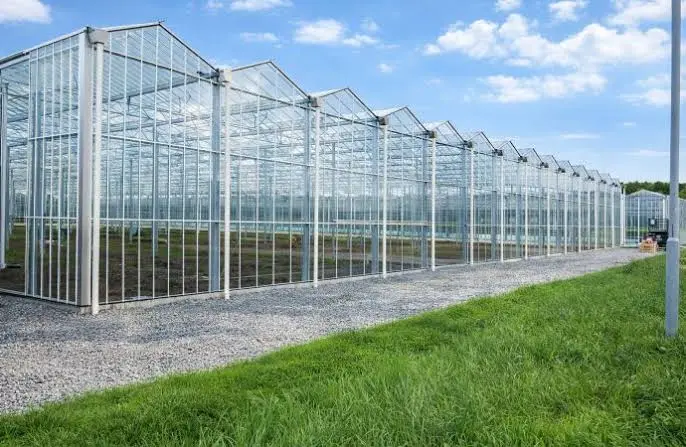
A glass greenhouse is an option for commercial projects requiring high light transmission and a durable rigid covering.
Its frame, foundation, and glazing support system should be designed together. Glass greenhouses can also be configured with ventilation, shading, irrigation, and climate-control systems.
Explore our Glass Greenhouse Solutions.
Gothic Multi-Span Greenhouse
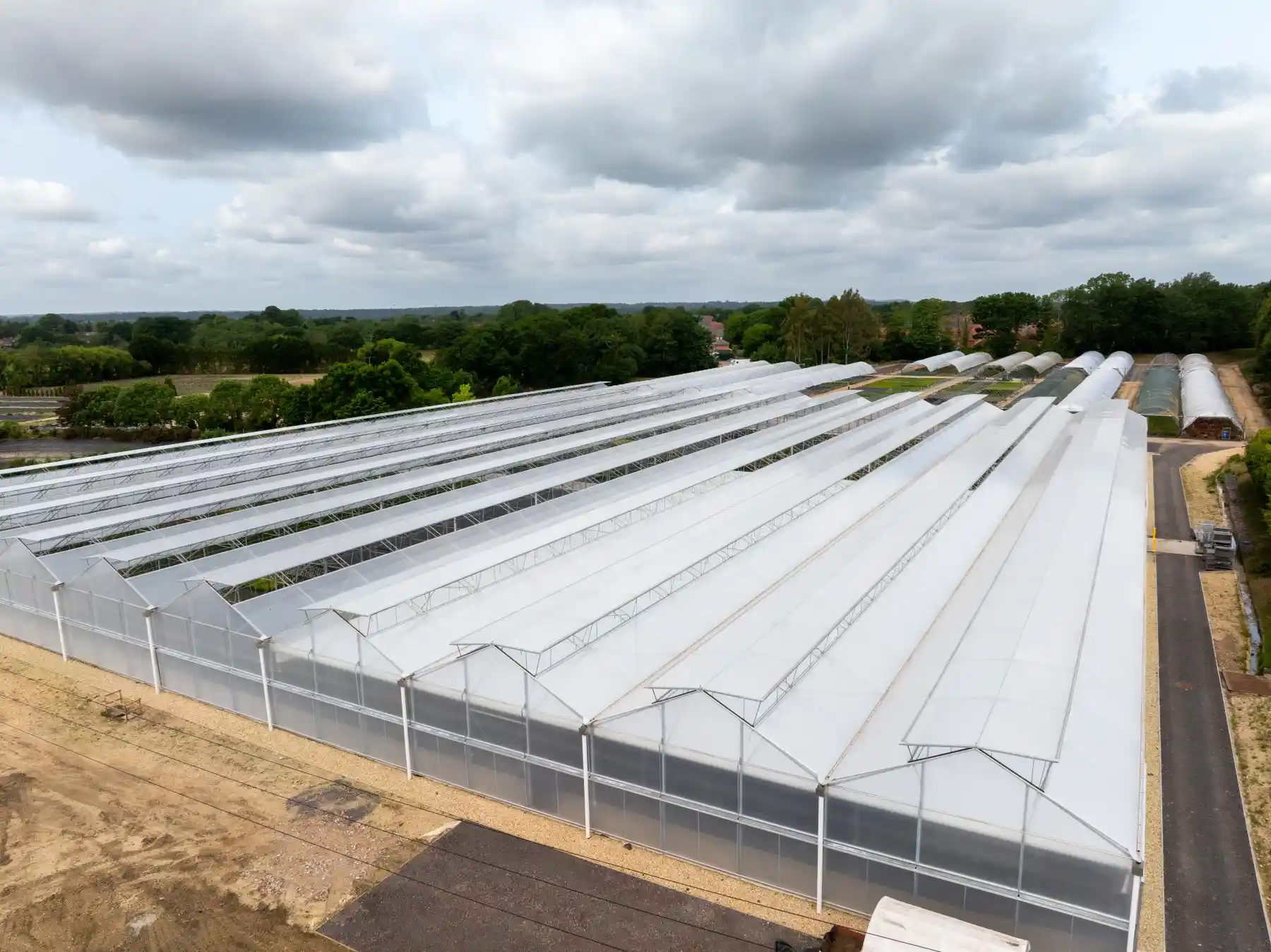
A Gothic multi-span greenhouse combines a pointed-arch roof with connected growing spans.
The structure creates a continuous growing area and can be configured with film covering, ventilation, irrigation, and shading systems according to project requirements.
It is worth considering for commercial growers who need organized planting space and flexible system integration.
Explore our Gothic Multi-Span Greenhouse.
Temporary Greenhouse Options for Seasonal Growing
If your project focuses on seasonal crop production or flexible installation, a tunnel greenhouse may be suitable.
High Tunnel Greenhouse
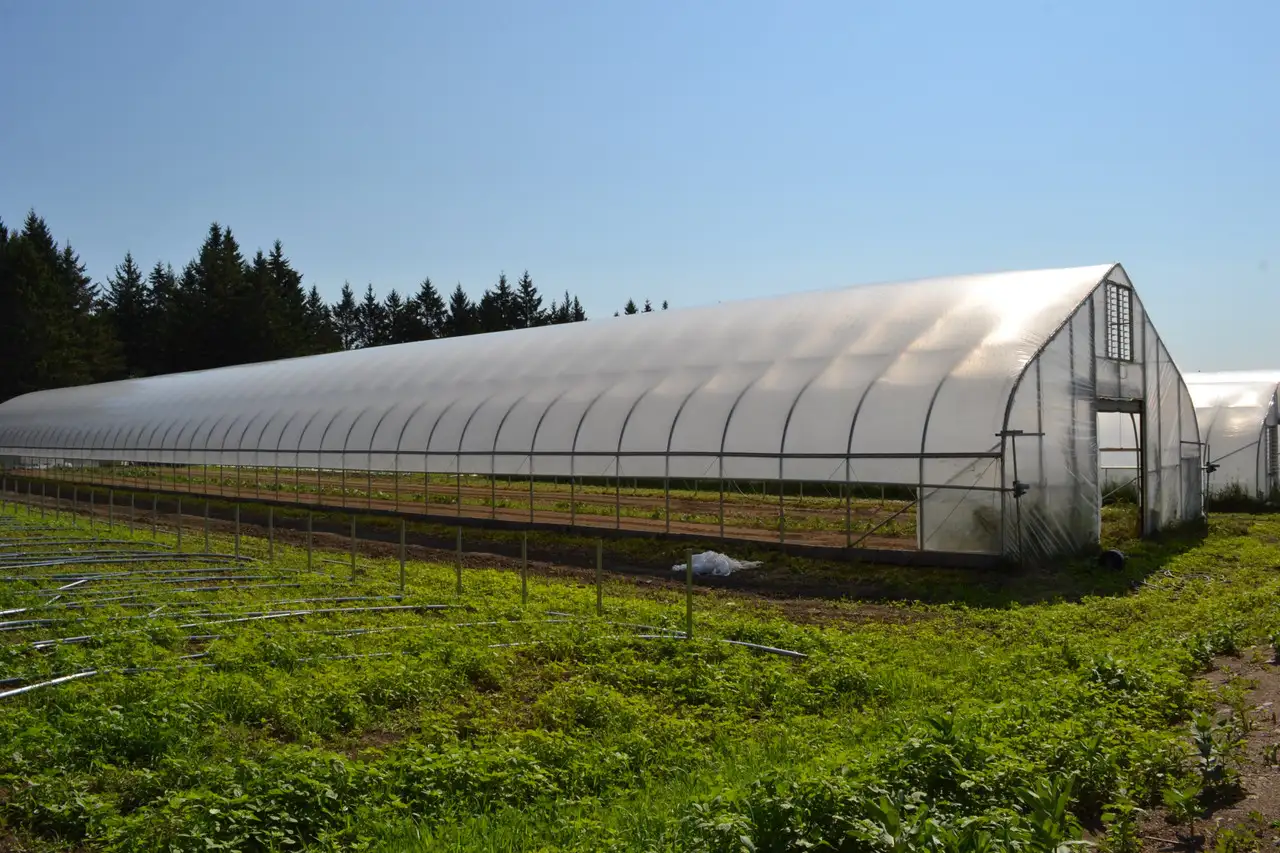
A high tunnel greenhouse typically uses a curved frame covered with greenhouse film.
It can help protect crops from changing weather conditions and extend the growing season. Depending on the design, it may use ground anchors, driven posts, or other suitable support systems.
High tunnels are commonly used for vegetables, berries, and nursery crops.
However, not every tunnel greenhouse is temporary. Its classification depends on its actual design, installation, intended use, and local regulations.
Explore our Tunnel Greenhouse Solutions.
When Should You Consider a Semi-Permanent Greenhouse?
A semi-permanent greenhouse may be worth considering when you need a balance between structural stability and installation flexibility.
For example, you may need:
A galvanized steel frame for repeated use.
Flexible film covering to manage initial investment.
A suitable anchoring system for local weather conditions.
A structure that can accommodate future modifications.
The key is to define your production requirements first and then select the frame, foundation, and covering materials together.
5. What Should You Confirm Before Building a Greenhouse?
Before placing an order or starting construction, you should confirm several important project details.
Confirm Local Permits and Land Use Requirements
Check with the relevant local authorities before construction.
Confirm the permitted land use, greenhouse classification, building permit requirements, and any restrictions on structure size or location.
Determine Foundation and Structural Specifications
Ask your greenhouse supplier for the structural information relevant to your project.
Important details include:
Greenhouse dimensions, span, and height.
Main frame materials and corrosion protection.
Foundation layout and anchoring details.
Wind and snow load design requirements.
Covering material specifications.
Connection details and installation drawings.
Make sure the foundation design matches the actual soil and site conditions.
Plan Utilities and Greenhouse Systems
A greenhouse project involves more than a frame and covering.
Depending on your crops and production goals, you may need irrigation, ventilation, cooling, heating, shading, and climate-monitoring systems.
These requirements should be considered during the design stage so the structure can accommodate the necessary equipment and connections.
Evaluate Total Construction and Long-Term Costs
Do not compare greenhouse options based only on the initial purchase price.
Consider the complete project cost, including:
Land preparation and foundation work.
Structural materials and covering.
Transportation and installation.
Irrigation and climate-control equipment.
Maintenance and replacement components.
Future expansion and operating costs.
A lower initial investment does not always mean lower long-term costs. Choose a structure based on your production requirements, site conditions, and expected operating period.
Frequently Asked Questions
Is a Greenhouse Considered a Permanent Building?
Not always. A greenhouse may be classified as permanent, temporary, or another type of agricultural structure depending on its design, foundation, intended use, and local building regulations.
Does a Temporary Greenhouse Need a Building Permit?
It depends on the project location. Some regions have exemptions for certain agricultural structures, while others require permits or additional approvals. Always check with the local building authority before construction.
Can a Greenhouse Be Built Without a Concrete Foundation?
Yes. Some greenhouse designs use ground anchors, driven posts, or other support systems instead of concrete foundations. The appropriate method depends on the soil, structural design, and local requirements.
How Long Does a Permanent Greenhouse Last?
There is no universal service life for every permanent greenhouse. It depends on the frame material, corrosion protection, covering materials, structural design, climate exposure, and maintenance.
Can a Temporary Greenhouse Be Converted Into a Permanent Structure?
Potentially, but a technical assessment is necessary. The existing frame, foundation, anchoring system, structural capacity, and local approval requirements should be reviewed before making changes.
Final Thoughts
Choosing between a permanent and temporary greenhouse requires more than comparing materials or initial costs. Evaluate your site, foundation, structural requirements, and production plans before construction. FZY provides customized greenhouse solutions based on your crops, climate, and project requirements. Explore our greenhouse products to plan your project.
Table of Contents
- 1. What Makes a Greenhouse Permanent or Temporary?
- 2. Permanent vs. Temporary Greenhouses: 4 Key Differences
- 3. What Factors Determine Whether a Greenhouse Is Permanent or Temporary?
- 4. Which Greenhouse Type Is Suitable for Your Project?
- 5. What Should You Confirm Before Building a Greenhouse?
- Frequently Asked Questions
- Final Thoughts