 EN
EN


Wind-Resistant Cladding Materials for Greenhouse Structures
Polycarbonate Panels: Impact Strength, Flexibility, and ASTM E1886/E1996 Performance
Multi wall polycarbonate panels stand up really well against strong winds because they have much better impact strength than regular glass actually about 200 times stronger and also offer good flexibility in their design. The material itself can stretch temporarily by around 17 percent when subjected to wind pressure, then bounce back to normal shape without any lasting damage or breaking apart completely. Tests following ASTM standards E1886 and E1996 show that 8mm thick triple wall panels handle continuous gusts reaching speeds of 110 miles per hour pretty effectively. They do this by spreading out the wind pressure through internal supports inside the panel structure, which cuts down on lifting forces by about 35 percent compared to just using single layer materials. And what makes these panels so special for safety purposes? Well, they don't break easily at all. Real world tests with hailstones two inches across showed absolutely no holes getting punched through them during severe storms.
Tempered Glass: Shatter Resistance, Load Distribution, and Real-World Greenhouse Uplift Mitigation
Tempered glass stands up to wind threats because of its strong surface compression, typically around 10,000 psi or more, plus it breaks into little pieces rather than dangerous sharp shards when damaged. The way this glass distributes weight across its surface gives it about half again as much wind pressure handling capability compared to regular annealed glass according to those ASCE 7-22 tests we all know about. Looking at actual field results from areas hit by hurricanes repeatedly, builders have found that 6mm thick tempered glass combined with good quality compression gaskets cuts down on wind uplift problems by roughly 40 percent while keeping seals intact even after repeated stress cycles. And then there's structural silicone glazing which takes things one step further. It actually provides nearly 25% more resistance against wind loads than older gasket methods simply because it removes those annoying stress concentrations that tend to weaken joints over time.
Structural Frame Materials and Bracing Systems for High-Wind Greenhouse Integrity
Galvanized Steel Frames: Yield Strength, Corrosion Resistance, and ASCE 7-22 Load Compliance
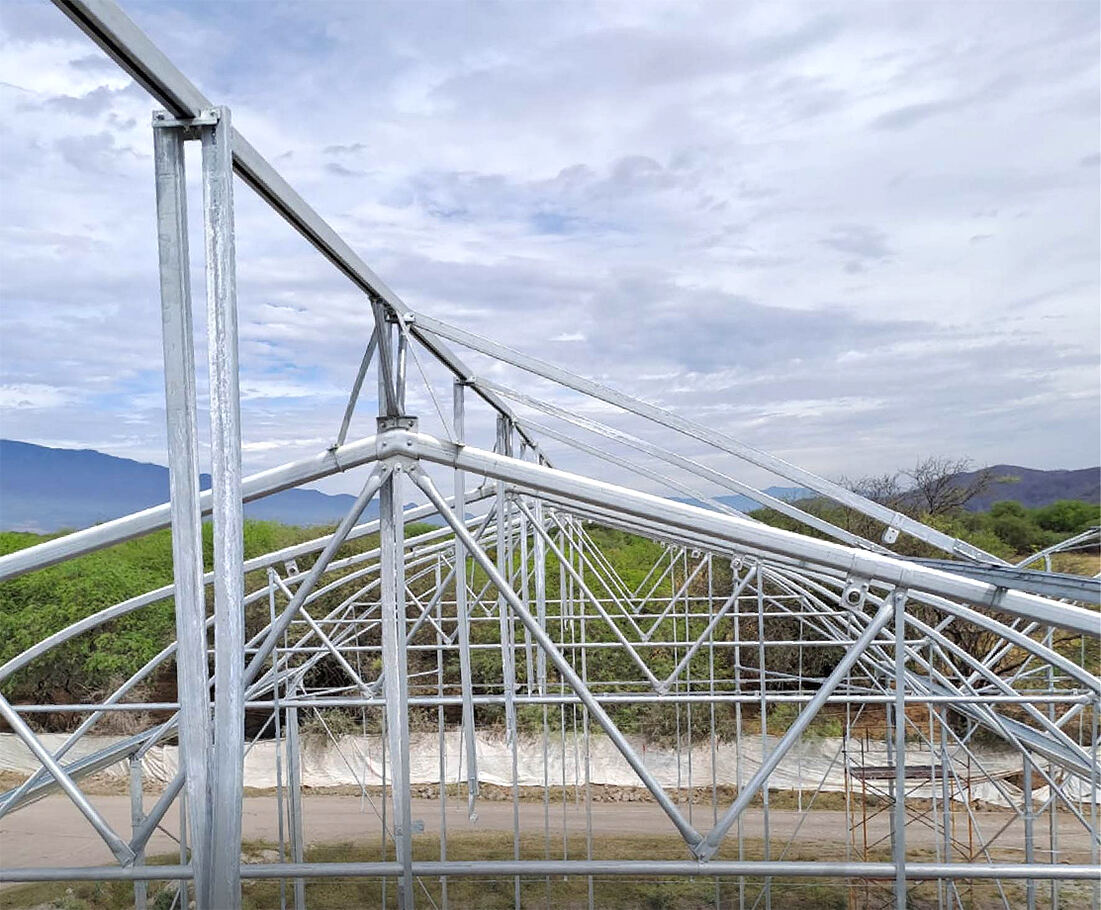
Galvanized steel frames offer solid wind protection because they have minimum yield strengths around 50 ksi, which meets or even beats what most commercial greenhouses need structurally. The zinc coating really stands out when it comes to fighting corrosion, especially important in those damp, moist areas where other materials just start to rust away over time. These frames are built according to ASCE 7-22 standards for wind loads, meaning they can handle uplift forces well beyond 120 pounds per square foot even in hurricane-prone areas. What makes them particularly useful is their impressive strength compared to their weight. This allows for bigger spans between supports while still keeping everything stable. As a result, growers get greenhouse structures that last for many years with minimal maintenance issues, making them ideal choices for locations frequently hit by strong winds.
Aluminum Frames with Diagonal Truss Reinforcement: Lightweight Rigidity in Coastal and Tornado-Prone Greenhouse Zones
Framing systems made from aluminum and strengthened by diagonal trusses strike a great balance between being strong enough and light enough compared to steel structures. These aluminum frames actually weigh about a third less than their steel counterparts but still handle side-to-side wind forces really well. The special bracing stops the whole structure from bending or twisting when winds get above 90 miles per hour, which makes a big difference during tornado conditions too. Real world tests have shown buildings with this kind of reinforcement suffer around 70 percent less damage than those without any bracing at all. For areas near coastlines where salt air eats away at metals, these systems are particularly good because they don't mix different types of metal that would otherwise corrode each other over time. That makes them ideal choices for places along the beach or anywhere else where bad weather happens regularly.
Ancillary Wind-Uplift Mitigation Components for Greenhouse Sealing and Attachment
Wind protection isn't just about walls and frames. The little things matter too when it comes to keeping structures intact against strong winds. Things like those high strength anchors we install need to go deep enough so they actually reach solid ground beneath where frost might form. We've seen problems happen when these aren't installed properly. Glass edges need good sealing around them because air pressure differences can really mess with stability. Silicone works well for this since it sticks even when temperatures change throughout the day. When building modular greenhouses, running steel straps across truss connections helps keep everything together. Those metal plates at connection points are super important too since they take a lot of stress from constant wind movement. Around hurricane zones, putting heavy rails along the outside edges with gravel or concrete inside gives extra protection against being lifted off. Everything from expansion joints to anchor points needs to match what's required in ASCE 7-22 standards. Skip over any of these details and watch out for serious damage when storms hit.
FAQ
What are the advantages of using polycarbonate panels for wind resistance in greenhouses?
Polycarbonate panels are up to 200 times stronger than glass and can flex without breaking, making them highly effective against strong winds. They efficiently manage wind pressure due to their internal support structure.
How does tempered glass contribute to greenhouse wind resistance?
Tempered glass is shatter-resistant and distributes wind loads effectively. It breaks into small, less dangerous pieces and offers better pressure handling than regular glass.
Why are galvanized steel frames preferred for greenhouse structures in high-wind areas?
Galvanized steel frames have high yield strength and excellent corrosion resistance. They also comply with ASCE 7-22 wind load standards and allow for greater structural spans without compromising stability.
How do aluminum frames with diagonal truss reinforcement work in wind-resistant greenhouses?
These frames are lightweight and rigid, making them ideal for high-wind zones. Diagonal trusses add strength, reducing structural damage during wind events.
What additional components are vital for minimizing wind uplift in greenhouse structures?
Important components include high-strength anchors, silicone sealing for glass edges, modular steel straps, and heavy rails along edges, all adhering to ASCE 7-22 standards.
Table of Contents
- Wind-Resistant Cladding Materials for Greenhouse Structures
- Structural Frame Materials and Bracing Systems for High-Wind Greenhouse Integrity
- Ancillary Wind-Uplift Mitigation Components for Greenhouse Sealing and Attachment
-
FAQ
- What are the advantages of using polycarbonate panels for wind resistance in greenhouses?
- How does tempered glass contribute to greenhouse wind resistance?
- Why are galvanized steel frames preferred for greenhouse structures in high-wind areas?
- How do aluminum frames with diagonal truss reinforcement work in wind-resistant greenhouses?
- What additional components are vital for minimizing wind uplift in greenhouse structures?