 EN
EN


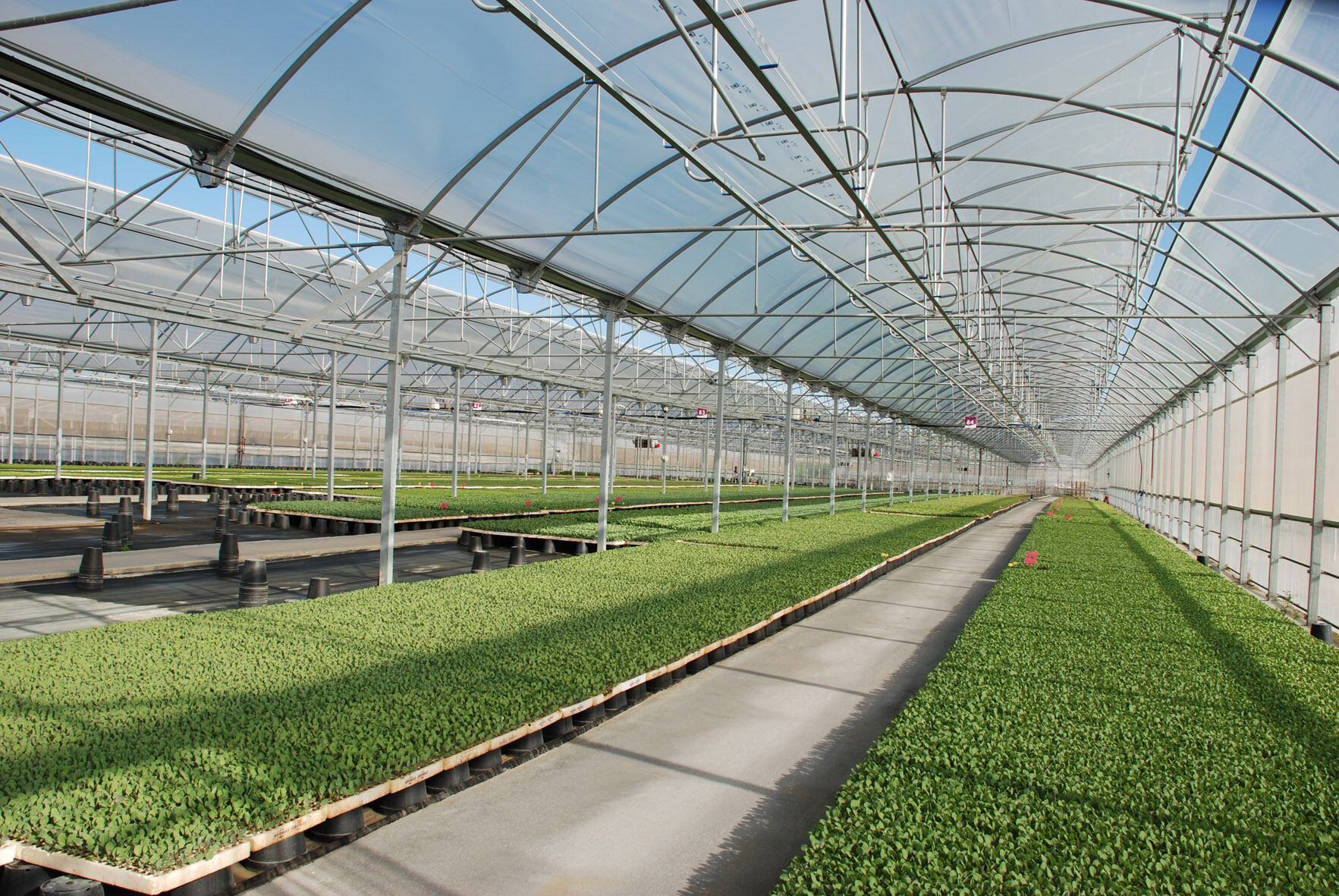
Match Greenhouse Size and Layout to Crop Type and Growth Stage
Functional height and surface area requirements for seedlings, fruiting vegetables, and overwintering tender plants
How we plan space for different crops makes all the difference in greenhouse productivity. When starting seedlings, growers need lots of surface area packed together — usually around 1 to 2 square feet per tray works best, and there's not much headroom required. Things get quite different when dealing with plants like indeterminate tomatoes or cucumbers though. These guys need plenty of vertical room, about 7 to 9 feet overhead for proper trellising and growth. Each plant also needs approximately 4 to 6 square feet on the ground to develop strong roots and maintain good air circulation. For overwintering citrus trees or ornamental plants, taller growing areas are essential to accommodate their mature size and allow for better positioning of heaters during cold spells. Getting these measurements wrong leads to poor growth results. Studies show that vining crops planted in low tunnels produce roughly 30 percent fewer fruits according to research from the University of Vermont Horticulture department.
Scalability planning: from starter propagation zones to full-season production layouts
When planning out a greenhouse, it's smart to think ahead about how it might grow over time. Set aside roughly a fifth to a third of the floor area for propagation workstations that can be moved around as needed. These should include portable grow lights and heat mats for starting seeds. Once those little plants are ready to go outside, this same space can easily become home to warm weather crops like peppers, especially if we install some kind of shade control system there. Greenhouses that want to operate all year round need some sort of insulation between sections so different climate zones can coexist peacefully inside. Think about separating areas where tropical plants need lots of moisture (around 80%) from spots where Mediterranean herbs do better with drier air (about 40%). The flexibility built into such designs cuts down on expensive renovations later on. Some studies suggest this method saves about two thirds of what would otherwise be spent rebuilding entirely new structures when needs change.
Optimize Climate Control for Crop-Specific Temperature, Humidity, and Light Needs
Temperature zoning strategies: heat mats for seedlings vs. supplemental heating for tomatoes and peppers
The needs change at different plant growth stages, so temperature control must be adjusted accordingly. Young seedlings do best when their roots stay warm around 70 to 75 degrees Fahrenheit thanks to those heat mats we place under them. This helps seeds sprout faster and develop stronger roots without costing too much extra energy. When it comes to fruiting plants such as tomatoes or bell peppers, they need warmer air all around them about 65 to 80 degrees to get those flowers going and set fruit properly. Most commercial greenhouses these days have adopted this zoned heating approach covering roughly three quarters of operations according to industry stats. The results speak for themselves: about thirty percent less wasted energy plus protection against accidental overheating of delicate seedlings. Plus, plants can actually perform better photosynthetically when temperatures are just right.
Airflow and ventilation design: balancing humidity control for herbs versus airflow tolerance of climbing crops
Good airflow helps plants stay healthy by promoting transpiration and keeping diseases at bay without harming the plants themselves. Herbs that need lots of moisture, like basil, do best when we use horizontal fans to keep the air around them about 60 to 70% humid. This level keeps fungi away without making the leaves droop or get damaged. For climbing plants such as cucumbers and beans, stronger vertical air movement works well too. The air moves at roughly half a meter per second, which actually makes their stems stronger and gets carbon dioxide distributed better through thick plantings. Putting in automatic vents that kick on when humidity sensors detect problems really helps clear out those annoying stagnant spots. Gardeners who combine these two approaches report seeing about 40% fewer cases of powdery mildew on their leafy greens, and they don't have to worry so much about damaging delicate vines either.
Select Glazing and Light Management Systems to Support Photosynthetic Efficiency
Glass vs. polycarbonate trade-offs: light transmission, diffusion, UV transmission, and thermal retention across crop cycles
Standard glass lets through around 90 to 95 percent of visible light, which is great news for those growing tomatoes, peppers, and other fruits that need lots of sunlight when they're producing their best yields. But there's a catch. The way glass transmits light isn't very diffuse, so young plants can get scorched if not protected properly. Many growers end up installing shade cloths just to prevent this problem. Polycarbonate panels transmit a bit less light at 80 to 88 percent, but what they lack in raw brightness they make up for in how evenly they spread the light throughout the growing area. These materials scatter about 40 to 60 percent more light compared to glass, creating a more balanced environment under the canopy. This characteristic helps eliminate those pesky hot spots that can damage tender leaves. For anyone working with cuttings or growing leafy vegetables, this even distribution makes all the difference in plant health and growth rates.
- UV Transmission: Standard glass blocks most UV-B/C rays critical for anthocyanin synthesis in crops like purple basil; specialized polycarbonate variants allow controlled UV exposure.
- Thermal Retention: Twin-wall polycarbonate retains heat 1.4— better than single-layer glass, cutting heating demand by 15–30% for overwintering tender perennials.
- Light Diffusion: Enhanced scattering improves photosynthetic efficiency in vertically trained crops such as cucumbers.
For seasonal flexibility, consider hybrid glazing: energy-efficient polycarbonate in winter production zones paired with glass sections optimized for maximum PAR intensity during summer fruiting.
Equip Your Greenhouse with Growth-Stage–Specific Accessories
Benching, propagators, and integrated heating for seedling uniformity and transplant readiness
Getting those little plants started right really depends on keeping their environment just right. Most growers use heated propagation benches these days since they keep the roots warm around 70 to 75 degrees Fahrenheit, which makes seeds sprout about 30 to 50 percent faster than when left to their own devices. The bottom heating also stops those spindly stems we all hate and helps water reach every part of the growing medium evenly. When combined with propagators that control humidity levels, seedlings get acclimated slowly to tougher conditions before being moved outside. And let's not forget about the modular bench designs that garden centers love so much. These setups can be rearranged effortlessly as plants grow from tiny sprouts into strong specimens ready for sale or planting out.
Fruiting support systems (trellising, pruning rails) and dormancy-enabling features (shading, insulation shutters)
Putting up vertical trellises makes all the difference for those viney plants such as tomatoes and cucumbers. They get better sun access, stay off the ground where diseases love to grow, and make picking much easier when harvest time rolls around. Pruning rails really help manage how the plants grow, steering their energy into making fruits instead of just growing leaves everywhere. When seasons start changing, automated shade systems can knock down light levels somewhere between 60 to maybe even 80 percent, which tells perennial plants it's time to slow things down naturally. Insulated roll up shutters work wonders too, cutting heat escape by roughly 40% compared to regular covers, so plants stay warm enough through winter months. All these different tools working together let gardens transition smoothly from busy growing periods to resting phases without stressing out the plants too much.
FAQ
What is the ideal surface area for seedlings in a greenhouse? The optimal surface area for seedlings is around 1 to 2 square feet per tray, which allows compact arrangement without requiring much vertical space.
How can greenhouses be adapted to grow all year round? Greenhouses can operate year-round by incorporating insulation between sections to maintain different climate zones and using hybrid glazing systems.
What are the benefits of polycarbonate panels over glass? Polycarbonate panels diffuse light more evenly than glass, allowing better light distribution and reducing hotspots, which benefits plant health.
How does airflow affect plant growth in greenhouses? Effective airflow promotes healthy plant growth by improving transpiration and distributing carbon dioxide evenly, reducing disease risk.