 EN


Are Gothic Greenhouses Suitable for Hot Climates?
In hot regions such as Africa, the Middle East, and Southeast Asia, heat can easily build up inside greenhouses during the day, causing indoor temperatures to rise. Ventilation, shading, and cooling systems should therefore be designed according to local climate conditions to help remove hot air and reduce heat stress on crops.
When Are Gothic Greenhouses Suitable for Hot Climates?
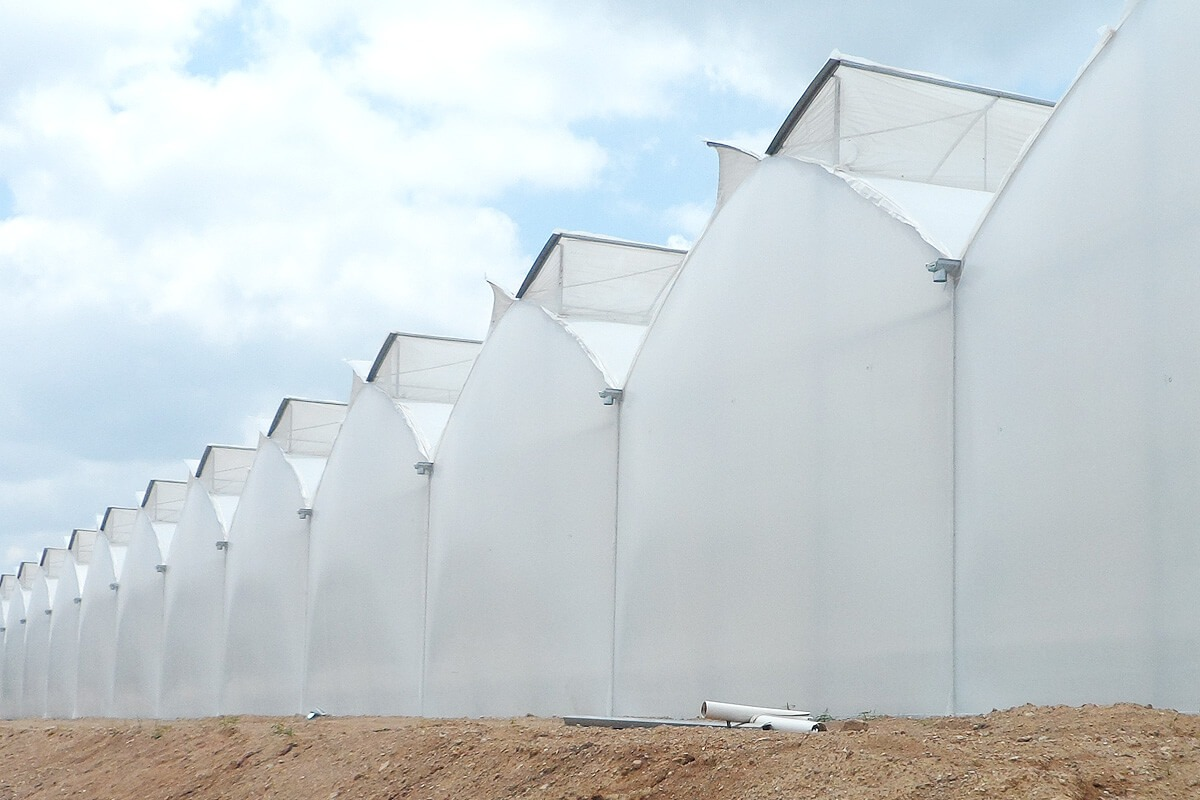
Gothic greenhouses feature a pointed-arch roof that makes it convenient to install roof vents, shading systems, and cooling equipment. By combining roof and side ventilation, outdoor air can enter the greenhouse while hot air escapes, reducing heat buildup. Cooling performance also depends on the local climate and the proper design of the ventilation and cooling systems.
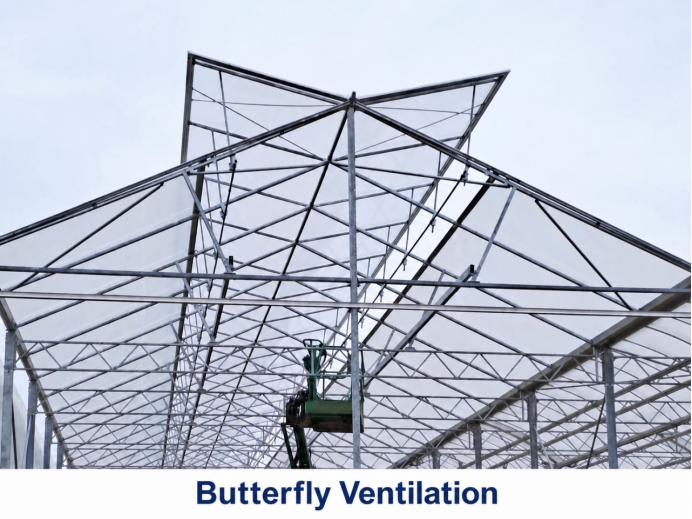
Gothic greenhouses can be equipped with butterfly-style roof vents. Together with side vents, these allow hot air to escape through the roof while outdoor air enters from the sides, improving airflow inside the greenhouse.
2. Spacious Interior
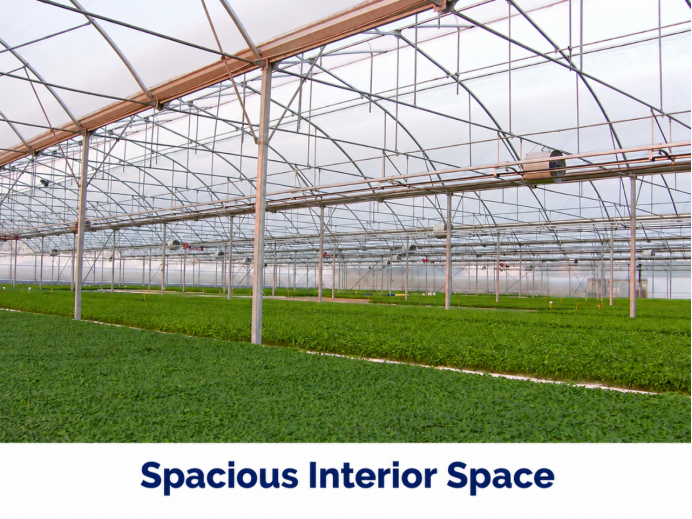
The higher roof creates more interior space, allowing hot air to rise and reducing heat buildup around crops. It also provides room for installing different types of growing equipment.
3. Easy Installation of Cooling Equipment
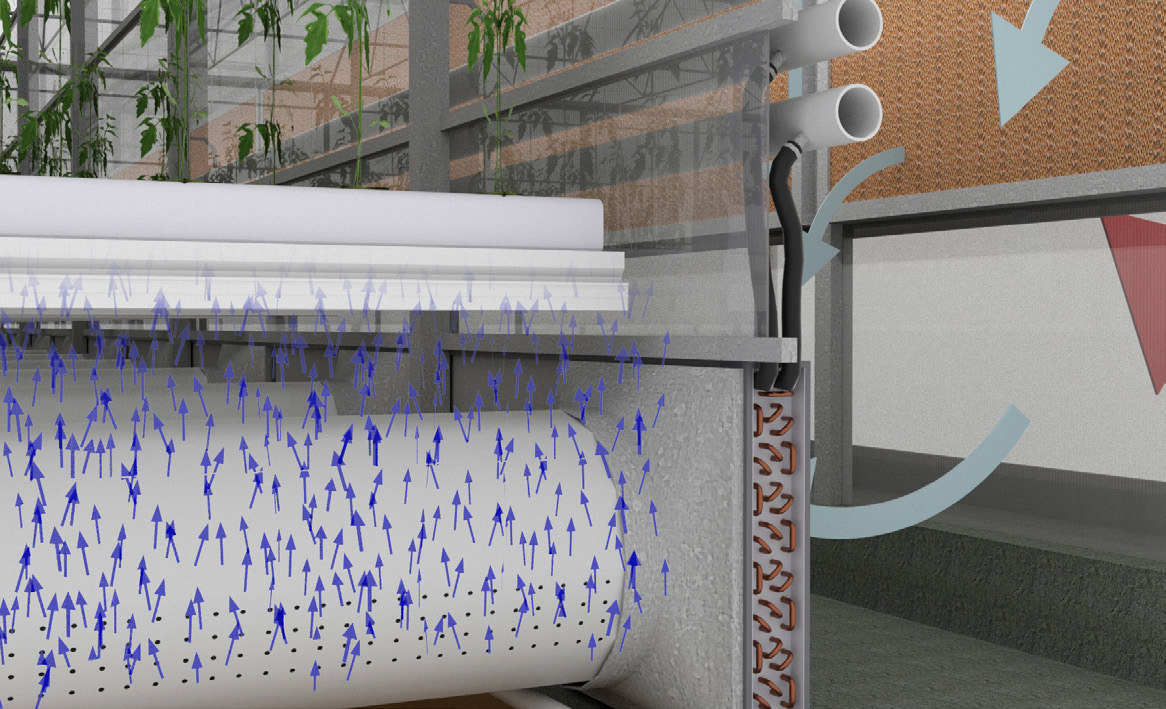
Gothic greenhouses can be fitted with shade screens, circulation fans, and misting systems to reduce the impact of high temperatures and create a more suitable growing environment for crops.
4. Efficient Drainage in Rainy Regions
The pointed-arch roof helps rainwater drain quickly, reducing water accumulation on the roof. In areas prone to strong winds and heavy rain, the greenhouse structure and roof vents also require reinforced safety design.
Choose the Right Solution for Your Climate: Hot and Dry vs. Hot and Humid
1. Hot and Dry Regions: Combine Shading with Cooling
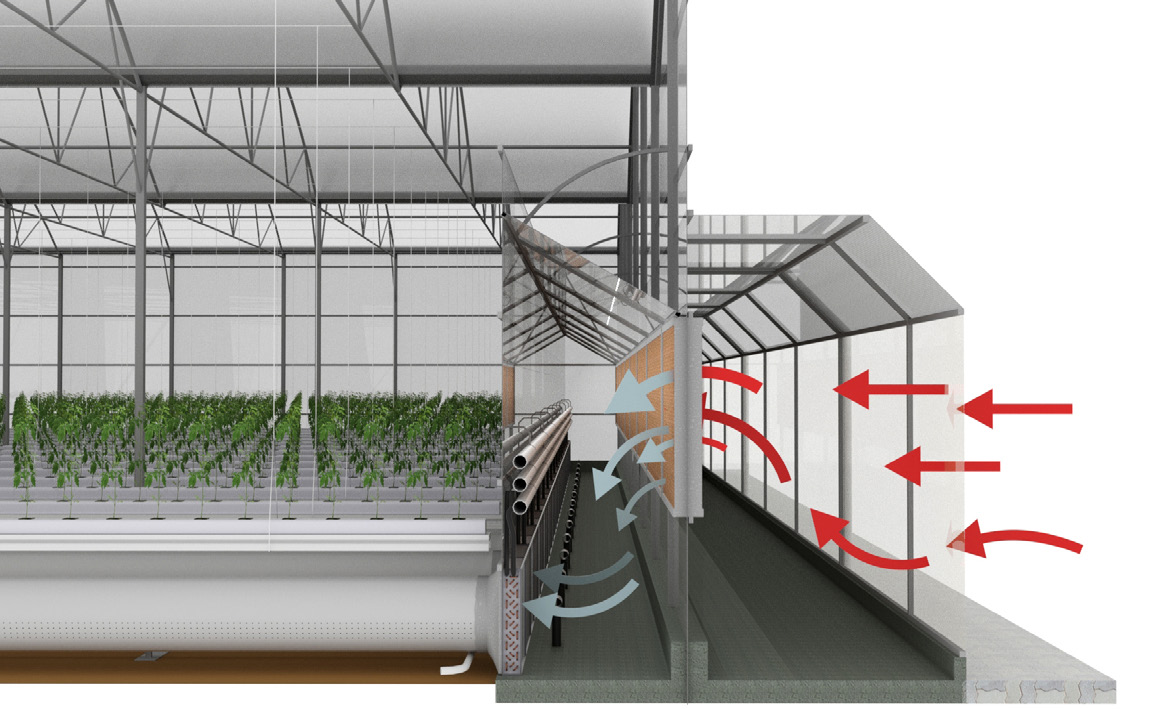
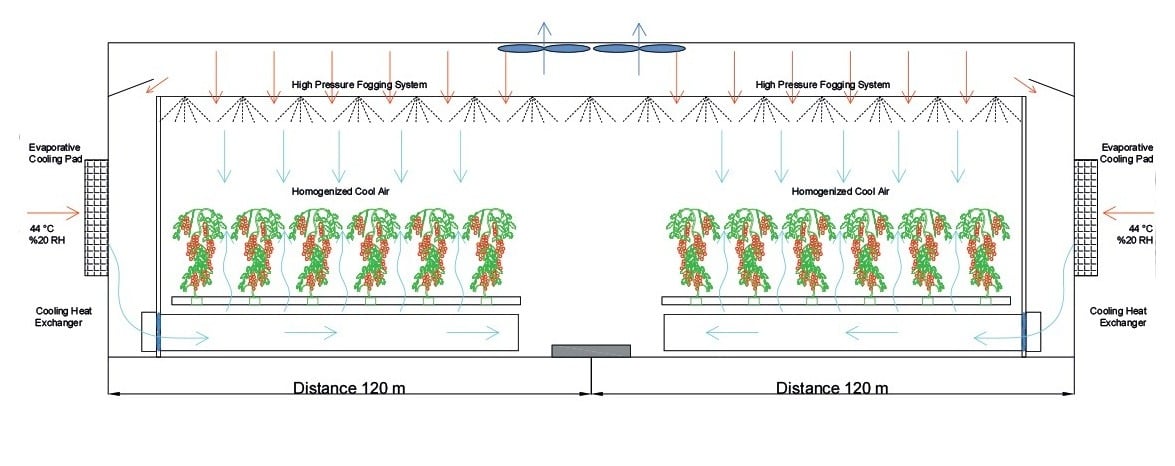
In hot and dry regions, shade screens, fan-and-pad cooling systems, and misting systems can be combined to lower greenhouse temperatures through water evaporation. Water availability and ventilation design should also be considered to achieve even cooling throughout the greenhouse.
2. Hot and Humid Regions: Improve Ventilation and Shading
In hot and humid regions, priority should be given to improving roof and side ventilation, supported by shade screens and circulation fans. This helps reduce heat buildup and excess moisture, lowering the risk of crop diseases.
3. Regions with Large Day–Night Temperature Differences: Balance Cooling and Heat Retention
Where days are hot but nights are cool, shading and ventilation can reduce heat stress during the day. At night, vents can be partially or fully closed as appropriate to limit heat loss and maintain suitable temperatures for crop growth.
|
|
|
How to Design Ventilation and Cooling for Hot Climates
1. Combine Roof and Side Ventilation
Side vents allow outdoor air to enter, while roof vents release hot air, improving airflow throughout the greenhouse. Insect screens should be selected carefully so they do not excessively restrict ventilation.
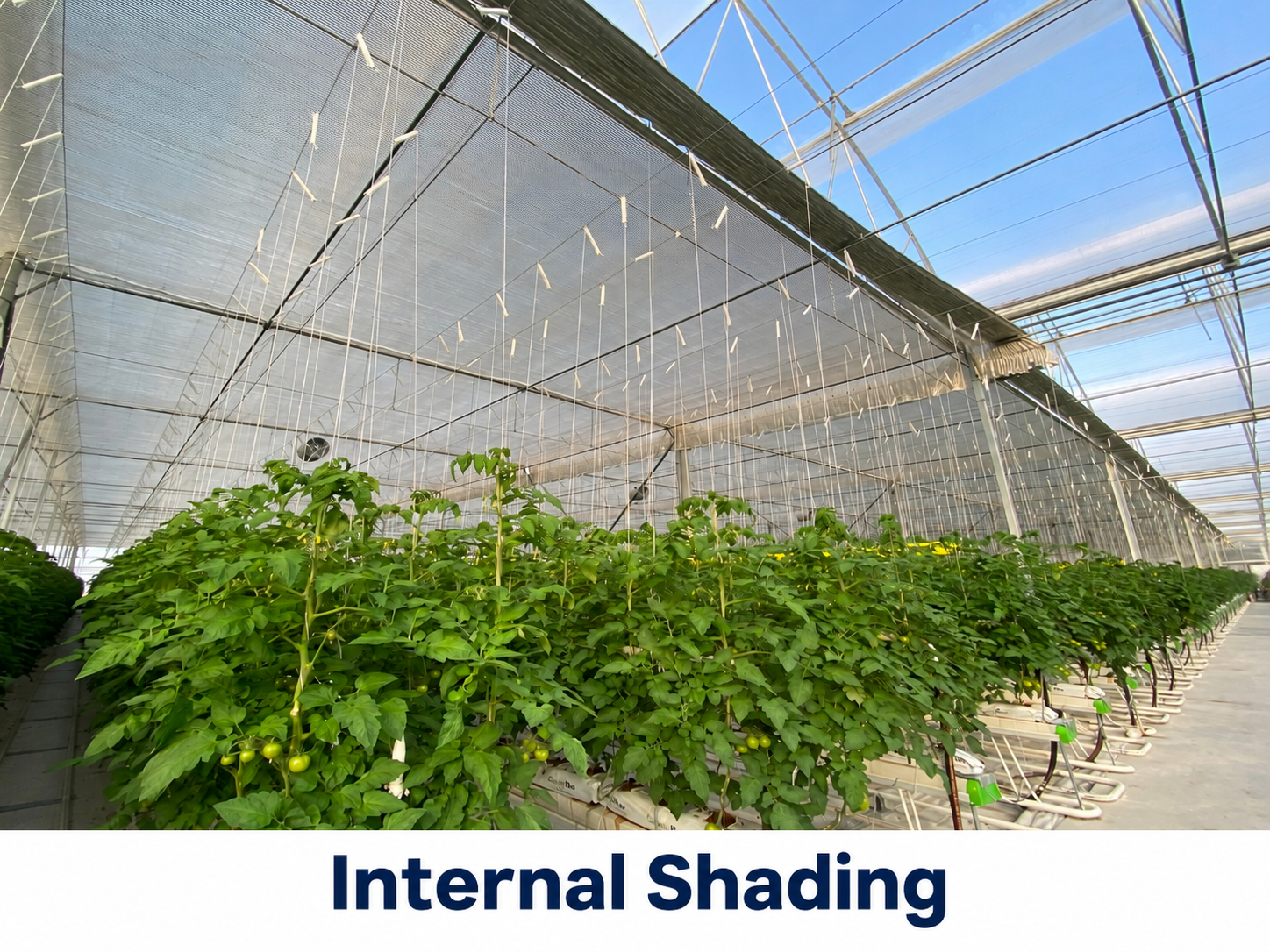
2. Use Internal Shading to Reduce Heat
Internal shade screens can block part of the sunlight and reduce heat gain inside the greenhouse, helping limit high-temperature stress. The shading percentage should be selected according to the crop and local climate.
3. Improve Air Circulation with Circulation Fans
Circulation fans help distribute air more evenly and reduce localized hot, stagnant areas. However, they need to work together with a ventilation system to remove heat effectively.
4. Use Fan-and-Pad Cooling and Misting Systems
In hot and dry regions, fan-and-pad systems or high-pressure misting can help lower temperatures. In humid regions, however, excessive humidity should be avoided because it can negatively affect crop growth.
5. Install an Intelligent Climate Control System
An automatic control system can adjust roof vents, shade screens, and cooling equipment in response to temperature, humidity, and changing weather conditions. This reduces manual work and makes greenhouse management easier.
Gothic Greenhouses Can Work in Hot Climates with the Right Cooling Systems
With their pointed-arch roofs and spacious interiors, Gothic greenhouses are well suited to the installation of roof ventilation, shading, and cooling equipment.
In hot and dry regions, shading, ventilation, and evaporative pad cooling can be used together.
In hot and humid regions, greater emphasis should be placed on improving airflow and preventing excess moisture buildup.
By selecting the right equipment for the local climate, crop requirements, and project scale, growers can improve the growing environment while reducing energy consumption and operating costs.