 EN


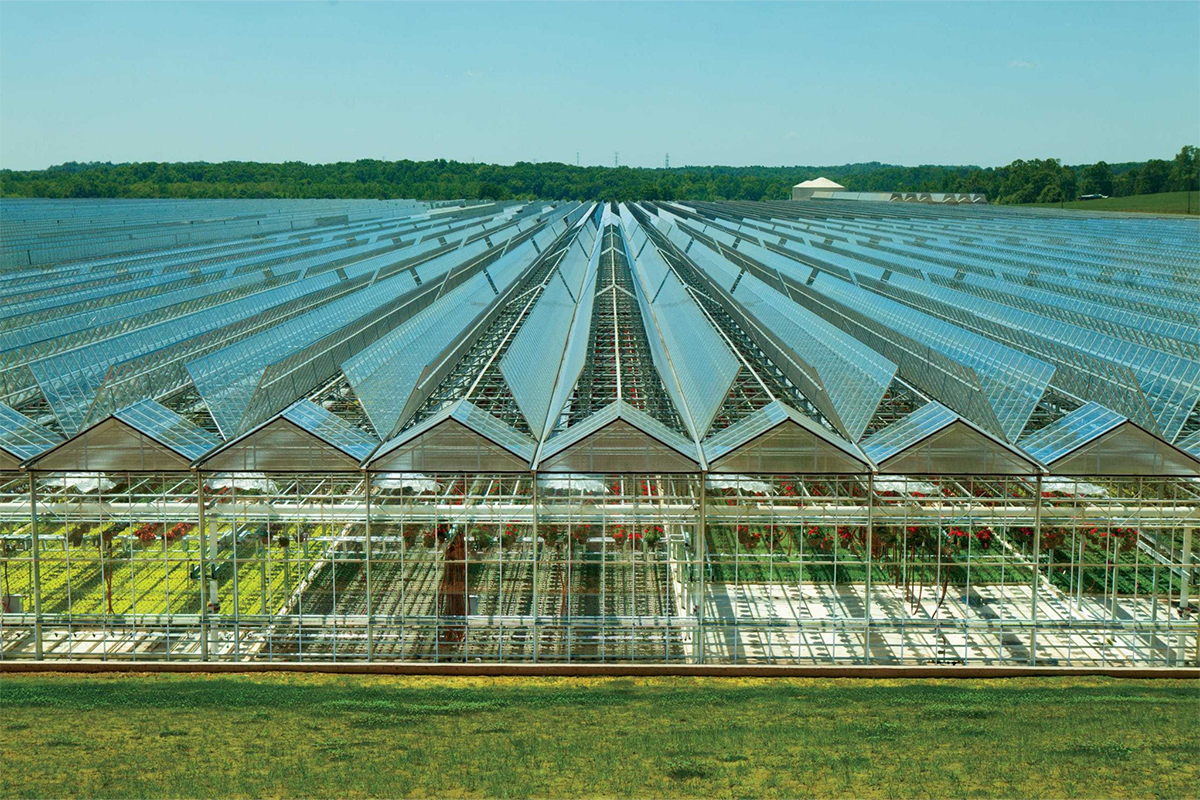
Greenhouse ventilation systems regulate temperature, humidity, and carbon dioxide (CO₂) concentration through the exchange of indoor and outdoor air. Depending on the greenhouse design and local climate, ventilation can be achieved through roof vents, side wall vents, mechanical fans, or a combination of these methods.
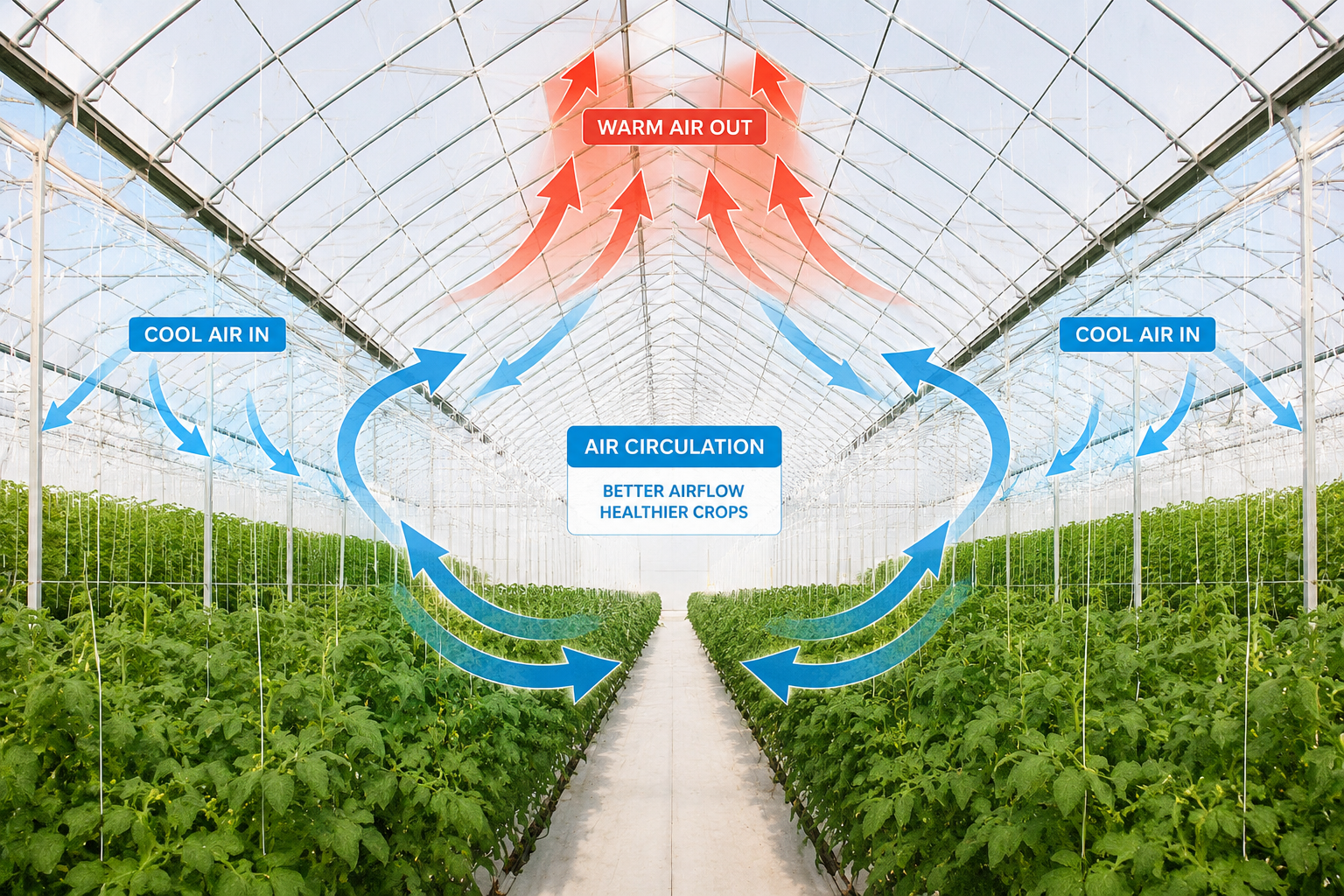
Greenhouse ventilation and air circulation are distinct but complementary functions. The ventilation system handles the exchange of indoor and outdoor air, while the circulation fans ensure airflow within the greenhouse, reducing stagnant areas and promoting a more uniform growing environment. Together, they help create a balanced growing environment and support healthy crop growth.
Why Is Greenhouse Ventilation Important?
1. Help prevent excessive heat
Solar radiation can cause greenhouse temperatures to rise above outdoor levels, especially during sunny weather. Removing warm indoor air and introducing outdoor air can help limit overheating. However, ventilation alone may not achieve the desired temperature when the air outside is already very hot; shading or additional cooling may be necessary.
2. Manage humidity and condensation
Crops release moisture through transpiration. If humid air accumulates, condensation and prolonged leaf wetness may increase the risk of certain plant diseases. Ventilation can help remove excess moisture when outdoor conditions are suitable. It supports disease management but does not replace crop hygiene, monitoring or pest control.
3. Support more uniform growing conditions
Poor airflow can contribute to temperature and humidity differences across a greenhouse. Correctly positioned vents and circulation fans can help reduce these variations. Fresh-air exchange can also replenish CO₂ consumed during photosynthesis, although ventilation may reduce CO₂ levels where enrichment systems are in use.
Types of Greenhouse Ventilation Systems
Natural greenhouse ventilation
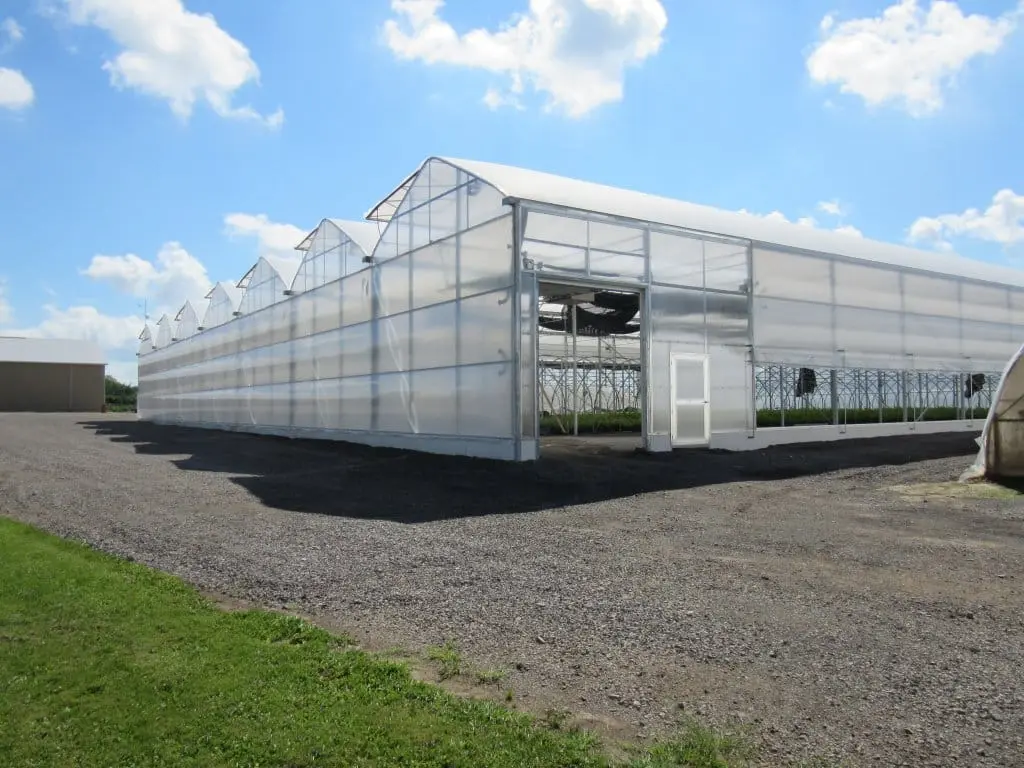
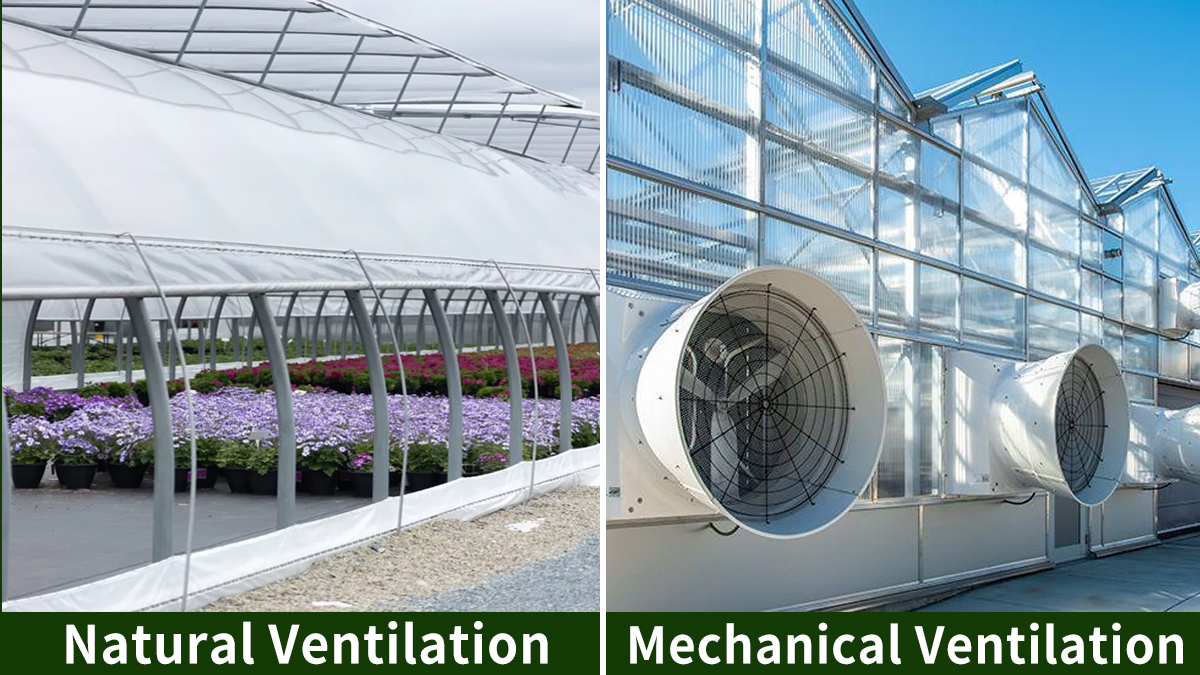
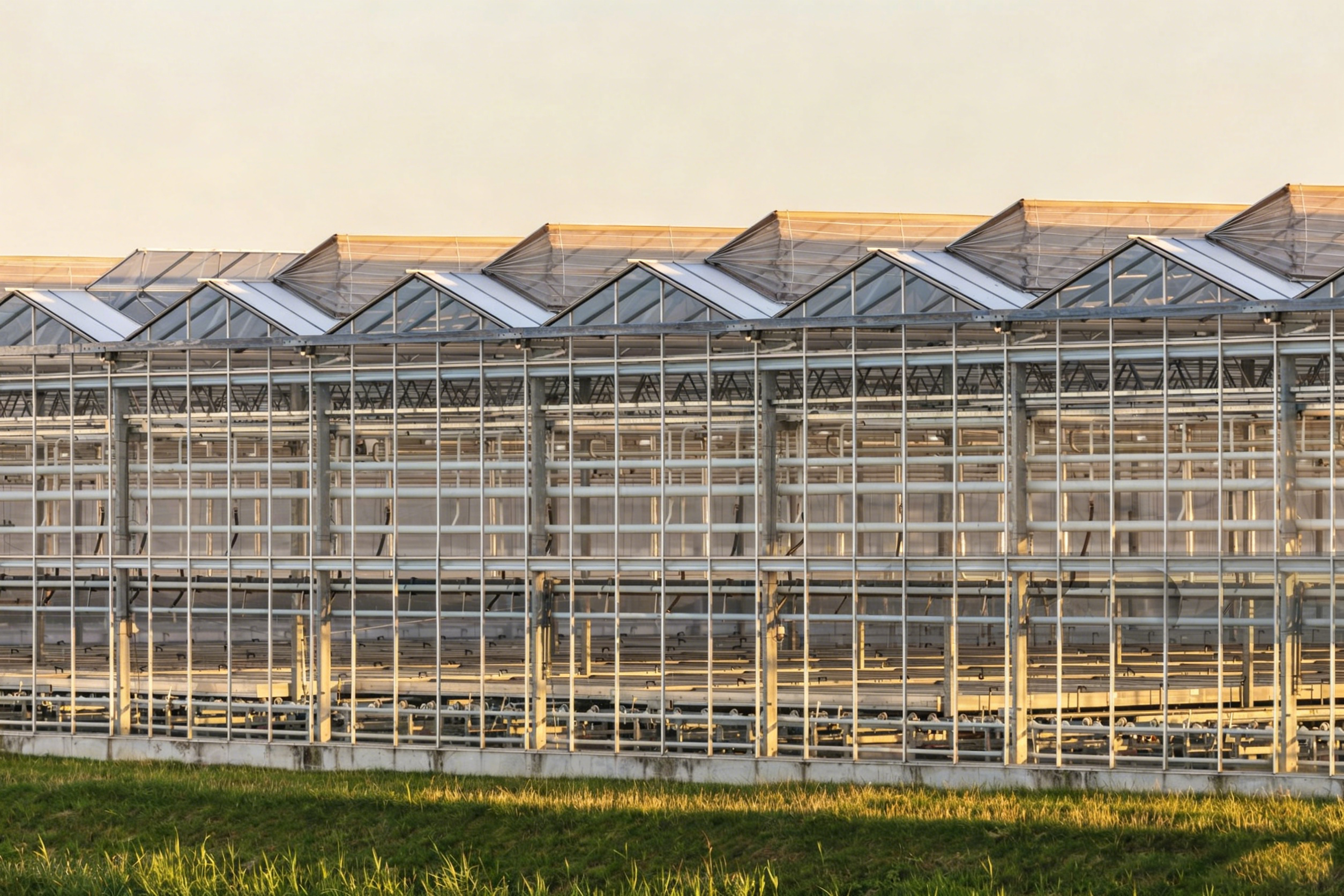
Natural ventilation uses wind pressure and differences in indoor and outdoor temperature to move air through greenhouse openings. Common options include roof vents, sidewall vents and roll-up side vents for film-covered greenhouses. Roof vents allow warm air to escape near the top; sidewall openings provide a path for replacement air. Actual airflow depends on vent size and position, surrounding buildings, wind and weather.
Natural systems can have relatively low operating energy needs, although automated vent motors and controls still consume electricity. They are often suitable when the greenhouse structure and local weather support sufficient natural air exchange.
Mechanical greenhouse ventilation
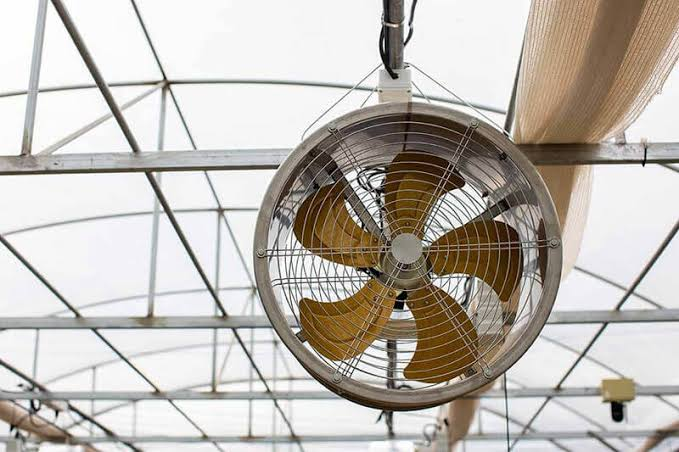
Mechanical ventilation uses powered fans to move air into or out of the greenhouse. Exhaust fans typically remove indoor air while properly sized inlets admit replacement air. Some projects use supply fans or other controlled-airflow arrangements. Fan capacity, inlet area and airflow path must be designed together to avoid uneven ventilation.
Fan-and-pad evaporative cooling
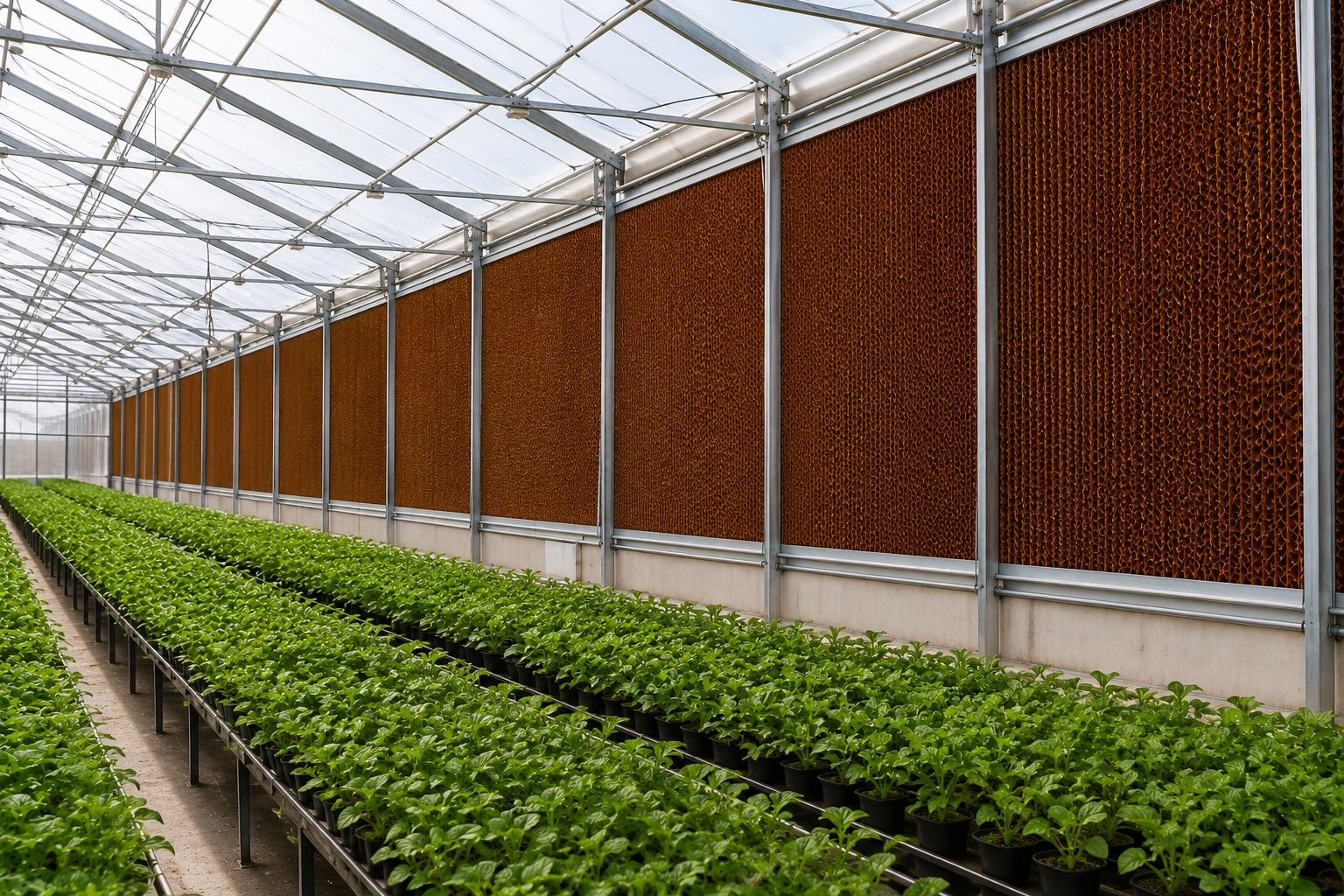
A fan-and-pad system combines exhaust fans with wetted evaporative cooling pads. As incoming air passes through the pads, some water evaporates, cooling the air while increasing its humidity. This approach is generally more effective in hot, dry conditions; its cooling potential is lower when outdoor humidity is high. Pads, pumps, water quality and maintenance requirements should all be considered.
Main Components of a Greenhouse Ventilation System
- Roof vents and sidewall vents — Openings that allow air exchange; the configuration depends on the greenhouse structure.
- Roll-up side vents — Manual or motorized film-opening systems commonly used in plastic-film greenhouses.
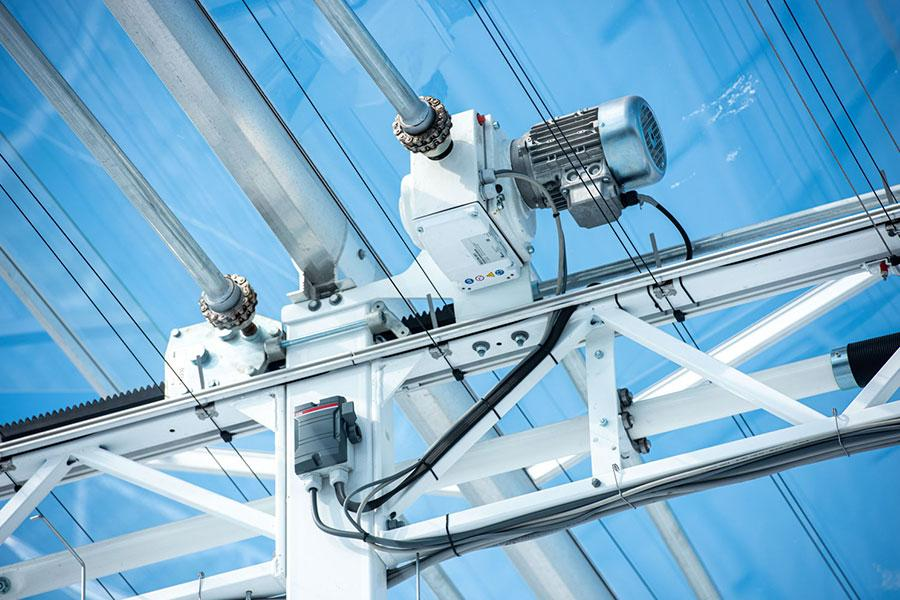
- Vent-opening mechanisms — Motors, racks and pinions, push rods or other components that operate the vents.
-
- Exhaust and supply fans — Powered equipment for mechanical air exchange, selected according to the design airflow requirement.
- Circulation fans (including HAF fans) — Move air inside the greenhouse but do not replace outdoor-air ventilation.
- Sensors and climate controllers — Monitor conditions and, when configured, coordinate fan operation or vent opening.
- Supporting accessories — Insect screens, shutters, seals and airflow guides, selected with attention to airflow resistance and maintenance.
-
How to Choose the Right Greenhouse Ventilation System
There is no single ventilation system that is ideal for every greenhouse. A suitable design starts with the growing environment and the project requirements:
- Local climate — Consider summer heat, humidity, prevailing winds, rainfall and seasonal temperature changes.
- Greenhouse dimensions and layout — Span width, length, height and the position of vents or fans all influence airflow.
- Crops and production methods — Crop type, canopy density and growing practices affect the required environmental conditions.
- Control and operating needs — Decide whether manual ventilation is sufficient or automated operation is preferred.
-
Budget and maintenance — Evaluate equipment, energy use, cleaning and access for maintenance over the project life.
- https://www.fzygreenhouses.com/glass-greenhouses
-
For example, a film greenhouse in a breezy location may benefit from roll-up side vents, while a large commercial greenhouse requiring more predictable airflow may use exhaust fans and controlled inlets. Some projects combine natural and mechanical ventilation. Final equipment sizing should be based on project-specific engineering calculations rather than general rules alone.
Automatic Greenhouse Ventilation and Climate Control
-
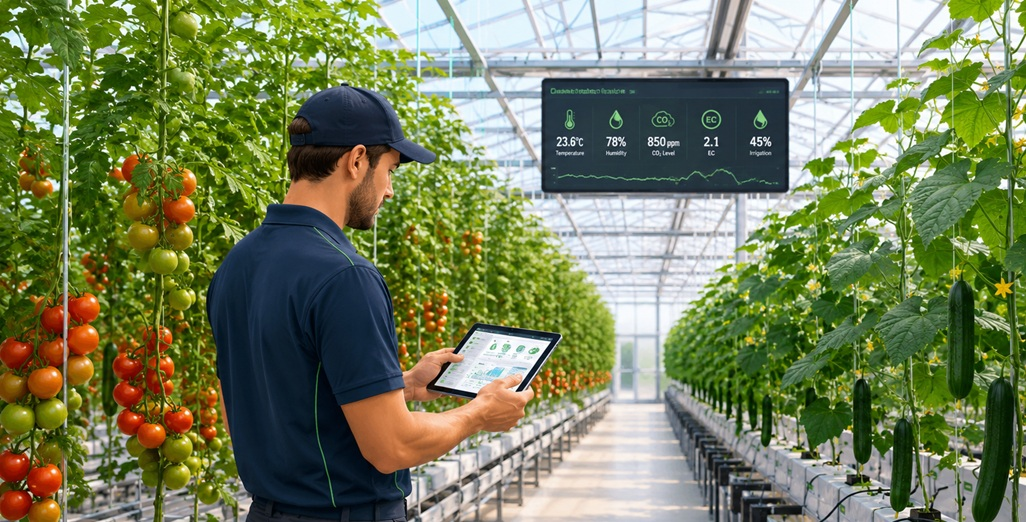
- With suitable hardware and control logic, automated ventilation can respond to temperature, humidity and weather-related conditions. A configured system may open roof vents, operate fans, coordinate shading or manage evaporative cooling. Remote monitoring and advanced integration are optional features, not standard functions of every ventilation package.
- Customized Greenhouse Ventilation Solutions by FZY Greenhouses
-
-
At FZY Greenhouses, we provide greenhouse structures and project-specific ventilation options, including roof and sidewall vents, roll-up side vents, and mechanical ventilation or climate-control components where required. The configuration should be matched to the greenhouse design, local climate and crop requirements.
Planning a greenhouse project? Share your project location, greenhouse dimensions, crop type and ventilation or cooling goals. Our team can discuss suitable options for your requirements.
Contact FZY Greenhouses: https://www.fzygreenhouses.comhttps://www.fzygreenhouses.com/
Table of Contents
- Why Is Greenhouse Ventilation Important?
- 1. Help prevent excessive heat
- 2. Manage humidity and condensation
- 3. Support more uniform growing conditions
- Types of Greenhouse Ventilation Systems
- Natural greenhouse ventilation
- Mechanical greenhouse ventilation
- Fan-and-pad evaporative cooling
- Main Components of a Greenhouse Ventilation System
- How to Choose the Right Greenhouse Ventilation System
- Automatic Greenhouse Ventilation and Climate Control