 EN
EN


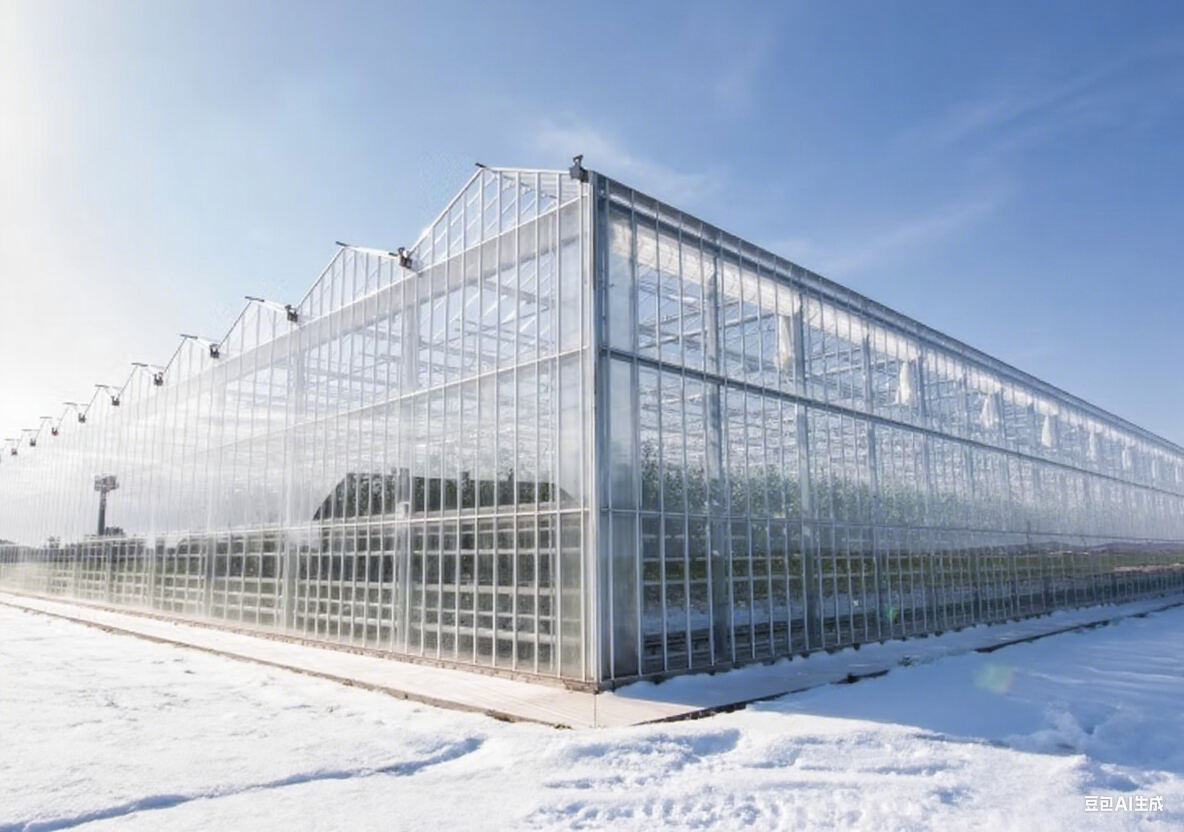
What Is a Green House—and Why It’s Increasingly Valuable on the Market
Green houses focus on being sustainable by incorporating things like efficient heating systems, solar panels, and building materials that don't harm the environment. These kinds of homes cut down on their impact on nature and also save money on monthly bills, which explains why more people want them now. The market for these properties has really taken off lately because homebuyers see two main advantages. Properties that have been certified as green tend to sell for around 10 percent more than regular homes, according to recent data. That extra value comes from saving cash day to day on utilities plus protection from future spikes in energy costs when they happen.
When climate rules get stricter around the world, green certifications such as LEED or ENERGY STAR actually show that a building is sustainable, which makes these certified properties look better to investors all the time. People aren't just talking about going green anymore this trend is changing how real estate works fundamentally. Land suitable for farming is getting scarcer day by day while folks want their homes to be environmentally friendly. That means houses built with green standards are becoming really valuable assets if someone wants to protect their investment against what comes next in the market.
| Green House Advantage | Market Impact |
|---|---|
| 30–50% lower energy costs | Higher resale premiums |
| Reduced carbon footprint | Faster sales velocity |
| Regulatory compliance | Lower vacancy rates |
This convergence of economic and environmental benefits positions green houses for sale as high-value assets in today’s evolving property landscape.
Key Features That Define a True Green House for Sale
Energy-Efficient Systems and Renewable Integration
Green houses really do work when they combine solar panels with good HVAC systems, better insulation, and those ENERGY STAR appliances everyone talks about. These setups can cut down on energy use anywhere from 10% all the way to 50% compared to regular homes. The smart thermostats and automatic lights make a big difference too. Residential buildings actually take up around 20% of total energy consumption in the US, so these improvements matter a lot. Homeowners see lower monthly bills and fewer carbon emissions right away, making the investment pay off pretty quickly without needing complicated calculations.
Sustainable Materials and Low-Impact Construction
When it comes down to real sustainability in building practices, materials matter a lot. Green homes often feature reclaimed wood from old structures, recycled steel beams salvaged from demolition sites, and paint that doesn't off-gas harmful chemicals. Take bamboo flooring for instance it grows back about twenty times quicker than traditional oak hardwoods. And those low VOC paints? They can make a huge difference in how clean the air feels inside a house, sometimes improving quality by as much as eighty percent according to some studies. The way buildings are constructed focuses on lasting power too. Metal roofs typically stick around for half a century or more while regular asphalt shingles need replacing every two decades. This means fewer discarded materials ending up in landfills year after year. Many forward thinking builders now include systems that collect rainwater for later use and install special paving stones that let water soak through instead of running off. These approaches help control stormwater without putting extra pressure on city sewer systems during heavy rains.
How to Identify a Genuine Green House for Sale (Avoiding Greenwashing)
Certifications to Verify: LEED, ENERGY STAR, and Passive House
Independent certifications actually back up what companies say about their green credentials. The LEED rating system looks at how buildings perform when it comes to saving energy, conserving water, and picking materials responsibly. Homes with ENERGY STAR labels have to hit tough standards from the EPA, usually cutting down on energy use somewhere around 20 to maybe even 30 percent compared to regular houses. For Passive House certification, the bar is set really high with annual energy consumption below 15 kWh per square meter thanks to thick insulation, super tight building envelopes, and ventilation systems that recover heat. These aren't just marketing badges either since each one needs thorough checking by outside experts, which makes these ratings pretty trustworthy indicators of genuine eco-performance.
Red Flags in Listings and Marketing Language
People need to watch out for those fuzzy words like "eco-friendly" or "green" when there's no real proof behind them. These kinds of claims pop up in about half the cases where properties try to mislead buyers. Look closely at what gets emphasized versus what gets ignored. Some listings will boast about fancy recycled countertops but completely skip mentioning ancient heating systems that waste tons of energy. Also keep an eye on all that nature imagery in marketing materials if it doesn't come with actual numbers to back it up. When shopping around, push for concrete information. Ask to see those official certification papers, get copies of any energy performance reports they might have, and find out exactly where materials came from. Real estate agents who can't produce specific certifications or measurable data points are probably just practicing greenwashing instead of offering true sustainable options.
Market Trends and ROI: Why Buyers Are Prioritizing Green Houses for Sale
Appreciation Premiums and Lower Long-Term Operating Costs
Green houses consistently outperform conventional properties in both resale value and operational efficiency. Studies show energy-efficient homes command sale premiums of 5–10%, driven by strong buyer demand and tightening regulatory expectations. Owners benefit from:
- 30–50% lower utility costs, thanks to solar generation, high-performance envelopes, and efficient appliances
- Reduced maintenance expenses, enabled by durable, sustainable materials like metal roofing and engineered timber
These advantages compound over time, delivering stronger total returns. In competitive markets, green-certified properties demonstrate 20% higher asset performance—offsetting upfront cost premiums while insulating owners from future energy volatility and policy shifts.
FAQs About Green Houses
What is the main benefit of owning a green house?
Green houses offer reduced energy costs and a lower environmental impact, coupled with higher resale values and faster sales.
How can I verify a home's green credentials?
Look for certifications like LEED, ENERGY STAR, or Passive House, which are backed by reputable organizations and require rigorous validation.
What should I be cautious of when looking at green house listings?
Beware of claims using vague terms like "eco-friendly" without certification. Always request documentation to support energy efficiency and sustainable material claims.