 EN
EN


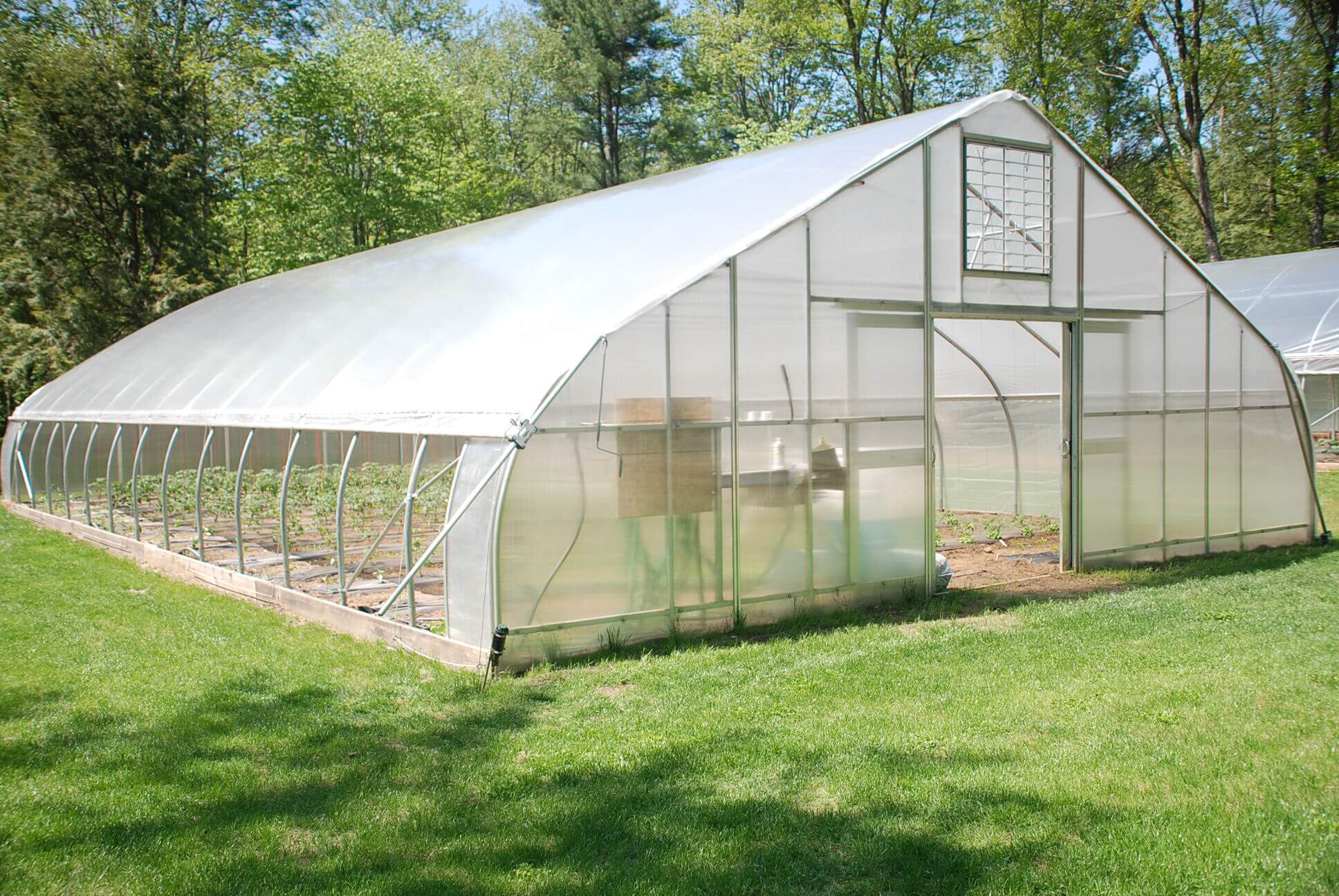
Upfront Material Costs vs. Long-Term Value of Greenhouses for Sale
Polycarbonate, Glass, and Plastic: Initial Investment and 10-Year ROI Comparison
When choosing materials for greenhouses, small farms need to balance what they spend at first against what they get in the long run. Polycarbonate typically costs between $2,000 and $4,000 and usually lasts around five to seven years. Glass is pricier at $4,000 to $8,000 upfront but can stick around for two to three decades. Plastic film is cheapest at $500 to $1,500 but needs replacing every couple of years. Looking at numbers helps too. A glass greenhouse costing $4,000 works out to about $133 each year if it lasts thirty years. That's actually similar to spending $2,000 on polycarbonate that gets replaced after seven years and again at fourteen. Something worth noting though: double wall polycarbonate keeps heat in about 30 percent better than regular glass, which means lower heating bills during cold seasons according to those USDA energy reports most growers rely on.
Depreciation, Warranty Coverage, and Replacement Frequency by Material Type
The warranty periods tell us something about how long these materials last in practice. Polycarbonate usually comes with around 10 years of UV protection coverage, whereas glass tends to have lifetime warranties against breakage. Plastic films are generally not offered much beyond four years at most. Looking at the math makes sense too. A greenhouse using plastic film might need three to five replacements over ten years, which can cost anywhere from $1,500 to as much as $7,500 when factoring in both materials and installation labor. Recent studies from agricultural material researchers in 2023 found that intense UV exposure can cause polycarbonate to degrade up to 40% faster than expected. Glass on the other hand maintains better than 90% of its original light transmission even after fifteen years of use. These differences matter a lot for growers planning their planting schedules and trying to avoid unexpected downtime during critical growing seasons. That's why serious greenhouse buyers should pay close attention to these material characteristics before making a purchase decision.
Operational Efficiency: Energy and Labor Costs in Greenhouses for Sale
Heating, Cooling, and Lighting Demand by Structure Type (kWh/sq ft/year)
For most greenhouse operations, energy costs tend to be the biggest recurring expense, and what kind of structure gets built really makes all the difference here. Take temperate regions for example – glass greenhouses just can't hold onto heat very well. They end up needing somewhere between 25 to 40 percent more heating energy compared to those insulated polycarbonate options available now. Then there are these polyethylene tunnels that look cheap at first glance, but they don't do much when it comes to keeping temperatures stable inside. Ventilation control is pretty limited too, which means growers might see their cooling bills jump by around 30 percent during hot summers. Light transmission matters quite a bit as well. Single pane glass lets through about 90 percent natural light, so supplemental lighting isn't needed as much. But double layer polycarbonate spreads the light out nicely across plants, although this can actually mean growers need to supplement with additional grow lights by roughly 15 percent for plants that hate being shaded.
Heating alone accounts for 65–85% of total energy consumption in cold-climate operations (USDA Agricultural Energy Handbook, 2023). Structural performance breaks down as follows:
- Glass: 1.2–1.8 kWh/sq ft/year (high radiant loss)
- Polycarbonate: 0.7–1.1 kWh/sq ft/year (superior insulation)
- Polytunnels: 1.5–2.2+ kWh/sq ft/year (combined heating/cooling demand)
Ventilation systems add a consistent 0.3–0.6 kWh/sq ft/year across types, while supplemental lighting contributes 0.4–1.1 kWh/sq ft/year depending on crop photoperiods. Selecting a greenhouse for sale with climate-appropriate materials—not just lowest sticker price—optimizes both energy efficiency and production reliability.
Size Optimization: Matching Greenhouse for Sale Dimensions to Small-Farm ROI
High-Yield Footprints (12–24 ft to 24–48 ft) for Vegetable and Herb Production
Small scale greenhouse operations tend to get the best return on investment when they're somewhere around 288 to 1,152 square feet, roughly between a 12 by 24 foot space up to about 24 by 48 feet. Greenhouses within this size range work really well for growing herbs and vegetables densely packed together without breaking the bank on things like building materials, heat during colder months, or paying extra staff members just to maintain everything. According to recent studies from Urban Ag News back in 2023, most farms that stay below 1,200 square feet manage to hit around an 85 percent profit margin as long as their layout makes sense for how people move around inside and controls temperature properly throughout different seasons.
Key productivity benchmarks illustrate the impact of size:
- A 24–36 ft greenhouse yields ~2,200 lbs of tomatoes annually
- A 12–24 ft unit generates ~$8,500/year from basil and microgreens
- A 30–48 ft design cuts per-plant energy costs by 40% versus smaller units
The 20–40 ft footprint stands out as the efficiency sweet spot—offering lower construction costs ($15–$25/sq ft), simplified climate management, ergonomic walkways, and seamless integration with vertical growing systems. For small farms targeting rapid ROI, modular designs in this range allow phased expansion aligned with revenue growth.
Polytunnels as a Strategic Greenhouse for Sale Alternative for Sub-5-Acre Farms
Cost-Per-Square-Foot and 3-Year Yield Stability vs. Rigid Greenhouses
For small farms under five acres, polytunnels or high tunnels offer something really different compared to traditional greenhouses on the market. The installation cost runs between four and eight dollars per square foot, which is way cheaper than those rigid structures that can set folks back fifteen to fifty dollars plus per square foot. This price difference makes getting started much easier for many growers. And here's what research actually shows: after three growing seasons, these plastic covered structures boost crop yields by about half, sometimes even more. Farmers report better harvest consistency because they can extend their growing season, protect plants from unexpected frosts, and deal with fewer pests messing around in their crops.
| Feature | Polytunnels | Rigid Greenhouses |
|---|---|---|
| Cost/sq ft | $4–$8 | $15–$50+ |
| Annual yield stability | 85–90% | 70–80% |
| Typical ROI timeline | <3 years | 5–10 years |
This combination of low capital outlay, strong yield consistency, and minimal maintenance makes polytunnels especially effective for budget-conscious growers who prioritize operational agility and rapid return on investment.
FAQ
What are the advantages of polycarbonate over glass for greenhouses?
Polycarbonate offers superior insulation, retaining heat about 30 percent better than glass, which can result in lower heating bills during colder months. It is generally lighter and more impact-resistant compared to glass.
Why is size optimization important when selecting a greenhouse for sale?
Optimization in size ensures that the greenhouse maximizes ROI by balancing construction costs with energy efficiency and production potential. Small farms benefit from layouts that efficiently use space to grow crops densely and manage climate controls effectively.
How do polytunnels compare to rigid greenhouses in terms of initial costs?
Polytunnels are considerably cheaper, with costs ranging between $4-$8 per square foot, compared to rigid greenhouses that can run $15-$50+ per square foot. This makes them an attractive option for budget-conscious small farms.