 EN
EN


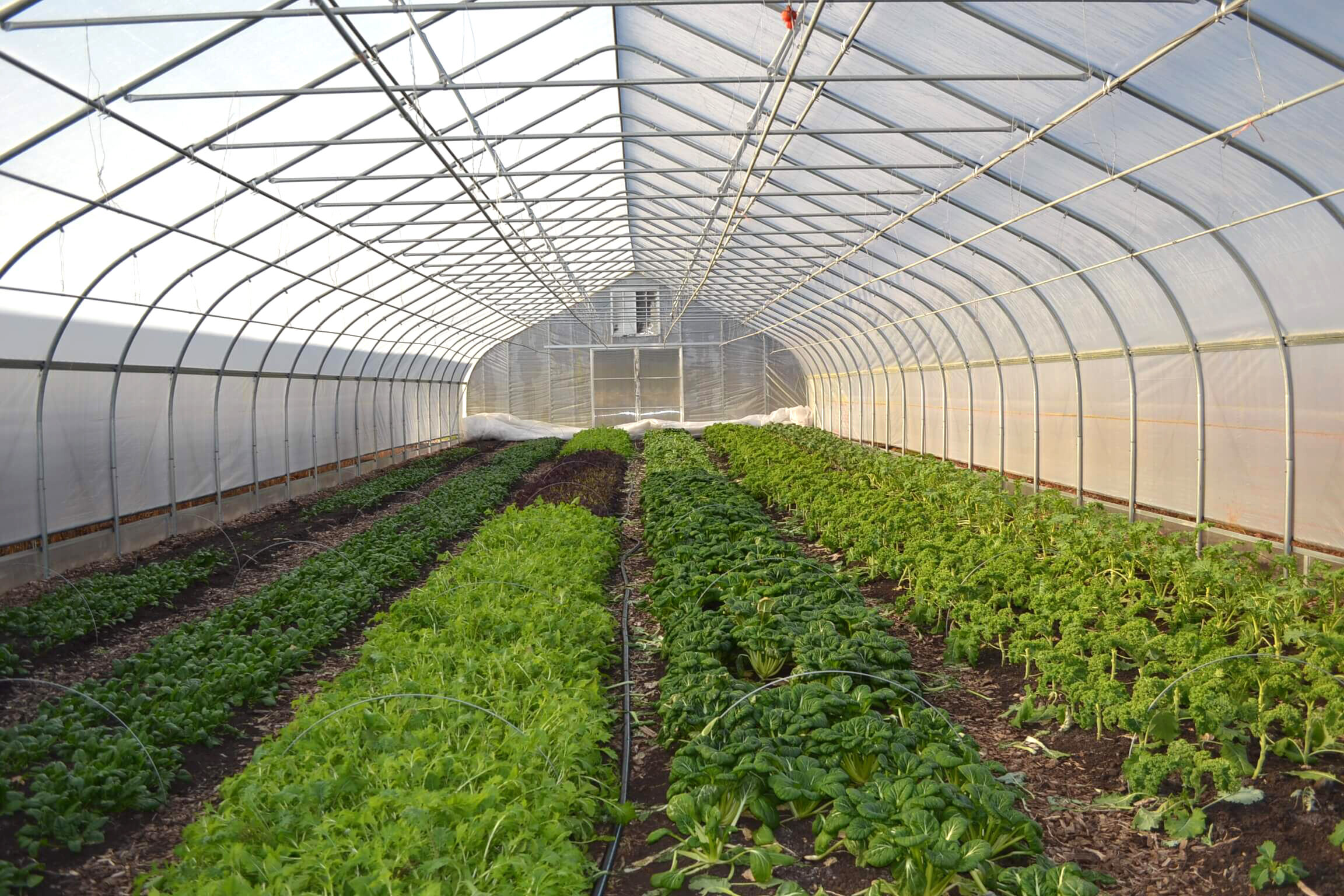
Cold-Tolerant Leafy Greens: Extending Harvest into Winter in High Tunnel Greenhouses
Key Varieties and Performance Metrics (Kale, Spinach, Mizuna)
Choosing plants that can handle the cold makes all the difference when growing through winter months. For kale lovers, varieties like Winterbor and Red Russian stay good even when temps drop to around 15 degrees Fahrenheit (-9 Celsius). Spinach growers might want to try Giant Winter which can produce about 1.4 pounds per square foot each season if grown under high tunnels. Mizuna, an Asian green known for quick growth, gives gardeners twice as many harvests in high tunnels compared to regular outdoor planting. The reasons behind these better results are pretty clear from looking at how these plants actually work. Kale keeps roughly 85% of its market value even at 20 degrees F (-7 C). Spinach grows ready for picking 12 days sooner than what's typically seen in open fields. And mizuna reaches peak photosynthesis levels at only 250 micromoles per square meter per second of light intensity, which is way less than most other leafy vegetables need to thrive properly.
How High Tunnel Greenhouse Microclimates Enhance Frost Resilience and Photosynthetic Efficiency
High tunnels can raise the minimum air temperature around plants by anywhere from 8 to 12 degrees Fahrenheit compared to outside conditions, which makes them really good at keeping frost away from delicate leafy greens. The plastic cover spreads sunlight throughout the tunnel in a more balanced way than what happens when plants are exposed directly to sunlight, and this actually helps plants make food better - studies show about an 18 percent improvement in photosynthesis during those darker winter months. Inside these structures, several things happen that protect plant roots and cells. First, the humidity stays trapped inside, stopping ice crystals from forming on cell walls. Second, soil temperatures go up roughly 6 degrees Fahrenheit (or about 3.3 Celsius), so roots keep working properly even if the air gets below freezing. Third, wind isn't such a problem anymore since it's reduced by around 70 percent, meaning plants lose less water through their leaves and don't dry out as quickly. All together, these climate advantages mean farmers can harvest crops 45 to 60 days longer than they could in regular fields, and winter crop yields tend to be about 30 percent higher too according to research done in areas covering USDA Zones 5 through 7.
Cold-Hardy Root Crops: Sustained Quality and Yield Through Late Fall and Early Spring in High Tunnel Greenhouses
Post-Frost Sweetness and Texture Retention in Carrots and Radishes
Carrots and radishes grow much better in high tunnels where they can slowly get used to colder weather without suffering from damaging freezes. Inside these protected spaces, the process of turning starches into sugars happens at a steady pace, which actually makes them sweeter after frost hits but still keeps them nice and crunchy. The consistent temperature inside stops those pesky ice crystals from forming inside the roots themselves, so their structure stays intact for longer periods on store shelves. Farmers have noticed something interesting too: radishes grown under high tunnels stay firm about 20 percent longer compared to those planted directly outside. This finding was published in Agronomy Journal last year, confirming what many growers already suspected based on their experience.
Soil Temperature Buffering and Continuous Root Development in High Tunnel Greenhouse Systems
Soil temperatures inside high tunnels stay about 5 to 7 degrees Fahrenheit more stable than in open fields, which helps protect plant roots during those tricky freeze-thaw cycles that happen so often in our climate. When the ground stays at a steady temperature, roots keep growing without interruption, plants take in nutrients and water consistently, and overall plant mass builds up over time. Farmers notice fewer problems too like carrot splitting from sudden temperature spikes. For radishes planted later in the season, this stability means they can develop properly for around 30% longer than usual. The real benefit comes in spring when farmers can get their hands into the soil weeks before neighbors who don't have these structures. That extra window makes all the difference for planting sequences in temperate regions, transforming those otherwise wasted fall and early spring periods into actual money makers for small farms.
Warm-Season Crops: Accelerating Maturity and Boosting Yields in High Tunnel Greenhouse Spring/Summer Production
Tomatoes and Peppers: Earliness, Fruit Set, and Disease Mitigation Benefits
High tunnels really boost warm season crops because they raise soil temps around 10 degrees Fahrenheit and get rid of those pesky spring frosts. This means tomatoes and peppers can ripen anywhere from two to three weeks sooner compared to what happens when plants grow directly in fields. Inside these covered structures, fruits actually set better too, with reports showing somewhere between 30% and 40% improvement. Blossoms stay safe from being knocked off by strong winds, plus pollination works out much smoother since conditions remain pretty consistent. Another big plus is how the structure acts as protection against diseases. Leaves don't stay wet for so long anymore, which cuts down on problems caused by water splashing around. Pathogens such as Alternaria solani, known for causing early blight, simply cannot reach plants from outside sources anymore. Farmers who use high tunnels often need to spray fungicides half as much as before, which makes food safer, saves money on inputs, and generally makes work in the garden or farm easier overall.
Grafting and Variety Selection Strategies for High Tunnel Greenhouse Success
Getting the most out of plants during warm seasons really depends on picking the right genetics and making smart structural choices for growing spaces. When tomatoes are grafted onto rootstocks that resist diseases like Verticillium wilt, Fusarium, and root-knot nematodes, they tend to survive about 70% better in systems where crops are grown continuously without rotating land. For gardeners looking to save space, compact determinate tomatoes such as Mountain Merit work great, while peppers like Ariane can be trained to grow vertically, which helps maximize air circulation between plants. There's also something special about heat-tolerant tomato varieties that don't need pollination to set fruit even when temperatures climb past 90 degrees Fahrenheit. These types solve a big problem many growers face in their summer high tunnels where extreme heat often limits yields. All these approaches basically match what plants naturally want with what actually happens inside protected growing environments regarding light distribution, moisture levels, and temperature fluctuations throughout the day.
Rotational and Multi-Cycle Cropping Systems for Year-Round High Tunnel Greenhouse Efficiency
Using rotation and multiple growing cycles turns high tunnels from just seasonal setups into productive spaces all year round. When farmers plan their crops carefully, like switching from warm weather tomatoes to cool season spinach, they get better use out of their land while keeping pests at bay and managing nutrients throughout different seasons. Most growers report getting around three or even four complete harvests each year simply by working with the natural temperature changes inside these structures instead of constantly battling against them. Research indicates that rotating crops can boost total yearly output by roughly 40 percent over growing the same thing repeatedly, mainly because the soil stays healthier and there's less problem with pests building up over time. Water and fertilizer usage gets smarter too. Farmers adjust how much they apply based on what each specific crop needs during its growth phase, which makes everything more efficient for the environment and increases profits without needing extra space.
FAQ
What are the benefits of using high tunnel greenhouses for winter crops?
High tunnel greenhouses help maintain warmer temperatures and protect plants from frost, resulting in longer harvest seasons, increased yield, and enhanced photosynthesis during winter months.
How do high tunnels improve carrot and radish quality?
High tunnels maintain stable temperatures that promote steady conversion of starches to sugars, making carrots and radishes sweeter and crunchier post-frost while preserving their structure longer.
What advantages do high tunnels offer for warm-season crops?
High tunnels accelerate maturity, improve fruit set, mitigate disease issues by keeping leaves dry, and extend the growing season by protecting plants from spring frosts and extreme heat.
How can crop rotation in high tunnels boost productivity?
Crop rotation in high tunnels helps control pests, optimizes nutrient use, and leads to healthier soil, thus boosting total yearly output by approximately 40%.
Table of Contents
- Cold-Tolerant Leafy Greens: Extending Harvest into Winter in High Tunnel Greenhouses
- Cold-Hardy Root Crops: Sustained Quality and Yield Through Late Fall and Early Spring in High Tunnel Greenhouses
- Warm-Season Crops: Accelerating Maturity and Boosting Yields in High Tunnel Greenhouse Spring/Summer Production
- Rotational and Multi-Cycle Cropping Systems for Year-Round High Tunnel Greenhouse Efficiency
- FAQ