 EN

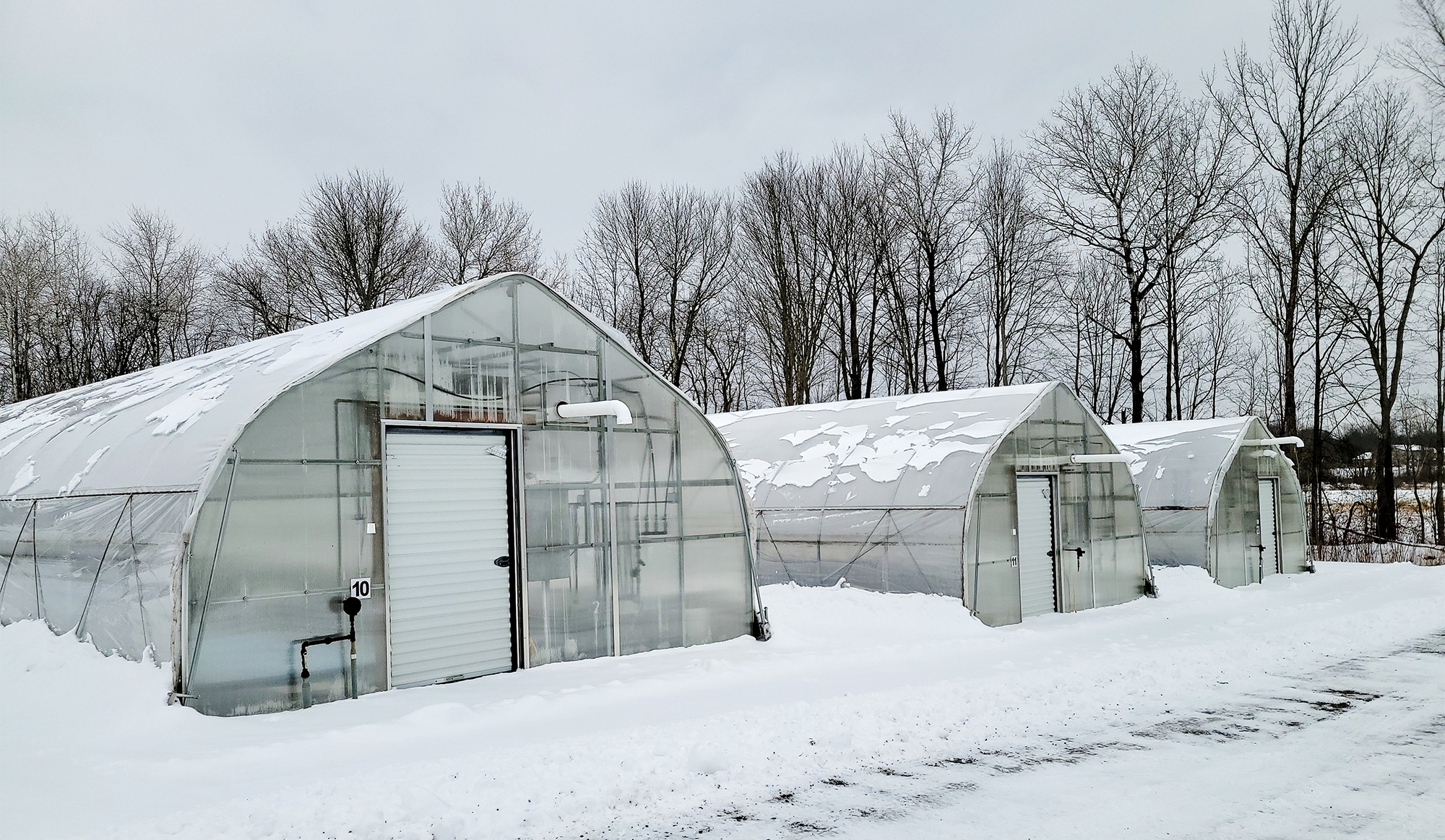
High tunnel greenhouses help protect vegetables from heavy rain and strong winds, and can be equipped with roll-up sidewall ventilation, drip irrigation, insect netting, and shading systems. They are suitable for tomatoes, cucumbers, sweet peppers, strawberries, and leafy greens. However, heat buildup in summer, high humidity, and wind and snow loads still need to be managed carefully.
一、 What Is a High Tunnel Greenhouse?
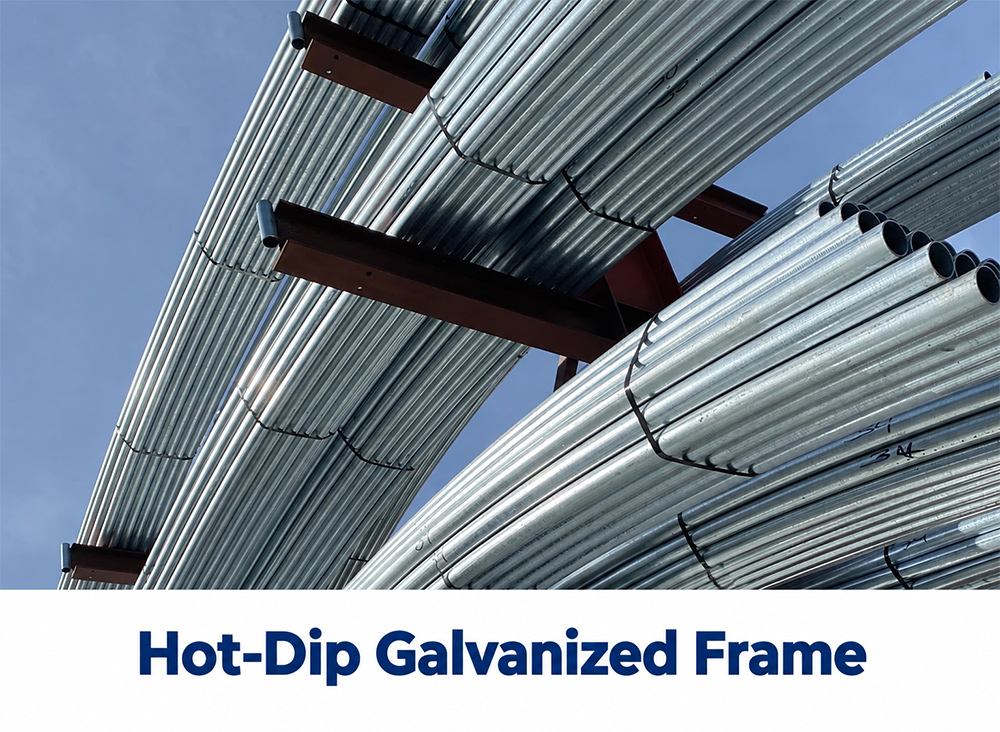
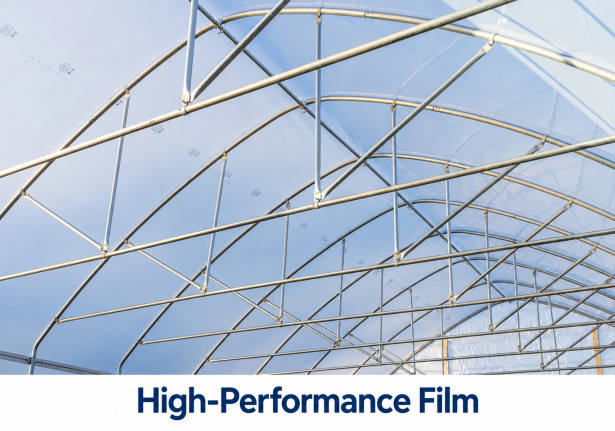
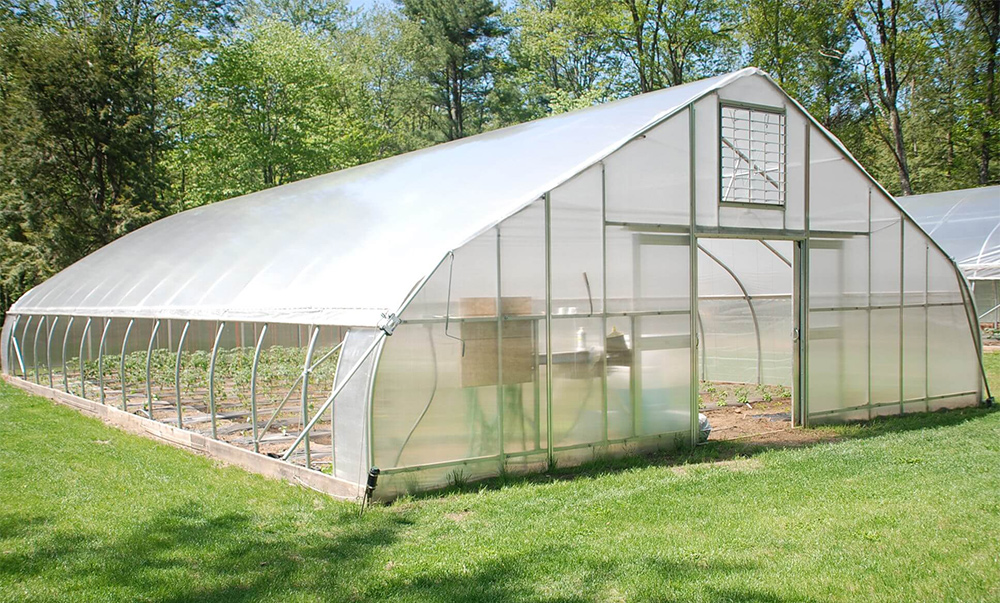
A high tunnel greenhouse generally consists of a hot-dip galvanized frame covered with plastic film. It uses sunlight to raise the temperature and relies on roll-up sidewalls for natural ventilation. It provides more environmental control than open-field cultivation, but less than a multi-span greenhouse equipped with active heating, cooling, and automated climate control.
二、 What Are the Benefits of Growing Vegetables in a High Tunnel Greenhouse?
1. Reduced Exposure to Adverse Weather
The plastic film reduces the impact of heavy rain on leaves, flowers, fruit, and soil, while offering some protection from wind damage and light frost. Strong winds, heavy snowfall, and extremely low temperatures may require structural reinforcement, snow removal, or supplemental heating.
2. A Longer Growing Season
On sunny days, the air and soil inside the tunnel warm up more easily, helping growers transplant earlier in spring or extend harvesting into autumn.
This enables growers to transplant 3-4 weeks earlier in the spring and extend the autumn harvest period by 3-5 weeks, thereby capturing price premiums for out-of-season produce.
3. Improved Water and Nutrient Management
Drip irrigation delivers water and nutrients directly to the root zone, reducing prolonged leaf wetness and unnecessary irrigation. Because rainfall does not naturally leach the soil inside the tunnel, irrigation and fertilization should be adjusted according to soil conditions and water quality.
4. More Consistent Harvests and Produce Quality
Protection from rain, drip irrigation, and a consistent harvest plan can reduce cosmetic damage to produce and help growers schedule harvests for different market windows.
三、Which Crops Are Suitable?
|
Crop |
Main Benefits |
Key Management Considerations |
|
Tomatoes and sweet peppers |
Rain protection, trellising, and staggered harvesting |
Ventilation and humidity control |
|
Cucumbers |
A warm environment and vertical training |
Maintain consistent water and nutrient supply; prevent excessive heat and humidity |
|
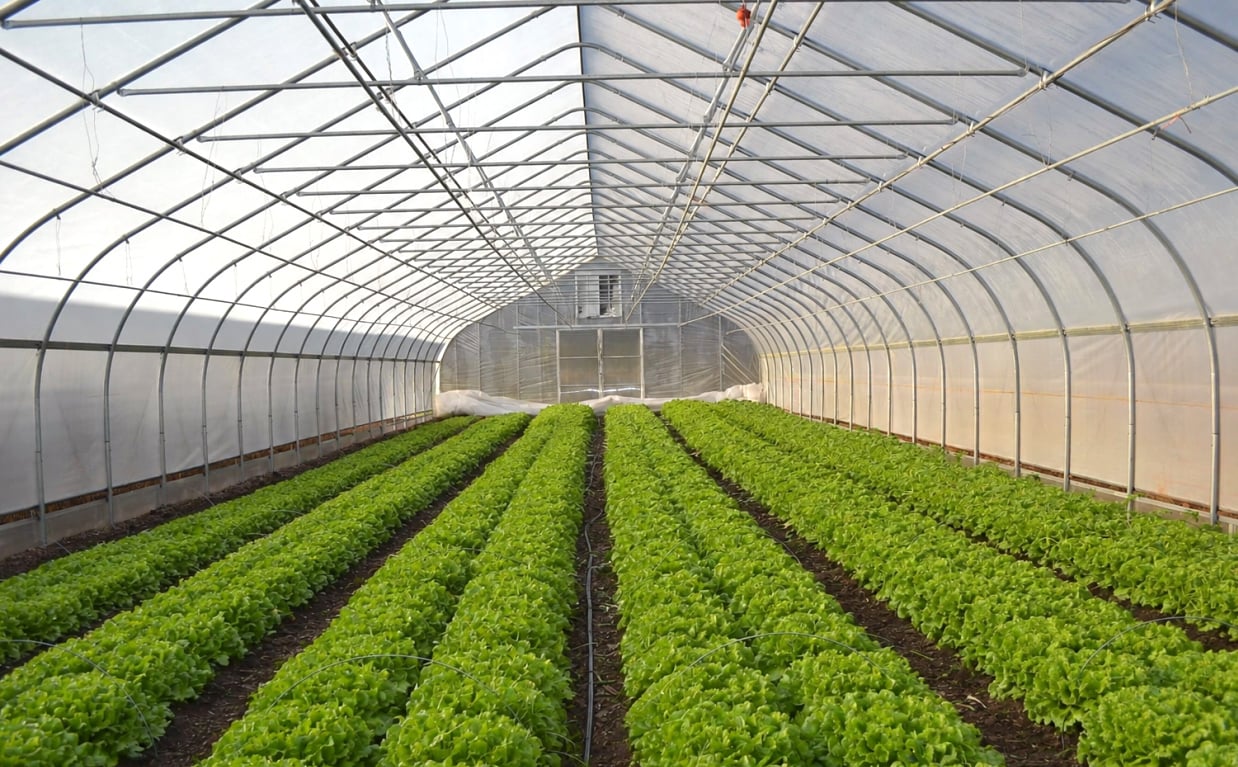
Lettuce and other leafy greens |
Cool-season and off-season production |
Ventilation or shading during hot weather |
|
Strawberries |
Rain protection and clean harvesting |
Pollination, gray mold management, and root-zone moisture |
四、How Should the Greenhouse Be Configured for Different Climates?
|
Growing Conditions |
Recommended Configuration |
Main Risks |
|
Cold winters |
Double-layer film or internal insulation, with provision for supplemental heating |
Nighttime temperatures that are too low |
|
Hot and dry conditions |
Wide roll-up sidewall openings, ventilation at both ends, and external shading |
Heat buildup and increased water use |
|
Hot and humid conditions |
Increase ventilation; use drip irrigation and good drainage; avoid excessive planting density |
Condensation and disease |
|
Strong winds or snowfall |
Reinforce foundations and bracing; consider a peaked roof in snowy areas |
Film damage, structural deformation, or excessive snow loads |
五、How Is a High Tunnel Greenhouse Ventilated?
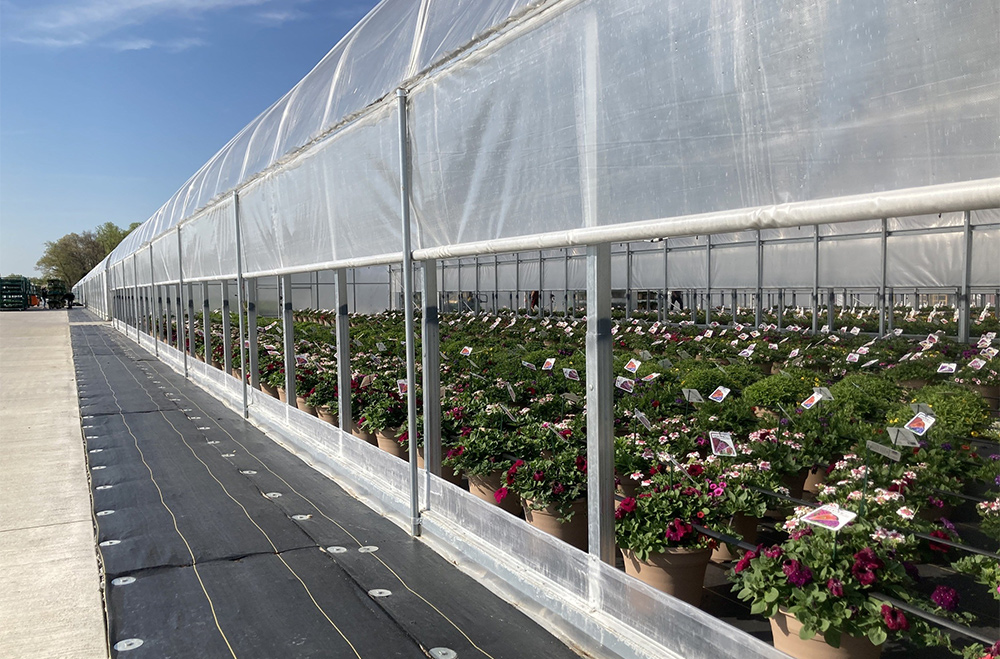
1. Roll-Up Sidewall Ventilation
Rolling up the film on both sides allows fresh outdoor air to enter and hot air to escape. This method is simple to operate and maintain, and helps reduce the temperature inside the greenhouse.
2. Ventilation Through Both Ends
Opening the doors or vents at both ends of the greenhouse improves airflow and ventilation, helping reduce heat buildup inside.
六、Important Considerations
High tunnel greenhouses can accumulate heat and humidity in summer, and insect netting may restrict airflow. Growers should therefore inspect crops regularly for pests and diseases and maintain the plastic film, roll-up sidewall mechanisms, film securing straps, and drip irrigation system. It is also important to recognize that high tunnels offer limited climate control and cannot replace a fully climate-controlled multi-span greenhouse.
High tunnel greenhouses are suitable for vegetable projects seeking to reduce weather-related risks, extend the growing season, and improve water and nutrient management. Results depend on whether crop planning, ventilation area, structural design for wind and snow loads, drip irrigation, and day-to-day management are appropriately matched.
Table of Contents
- 一、 What Is a High Tunnel Greenhouse?
- 二、 What Are the Benefits of Growing Vegetables in a High Tunnel Greenhouse?
- 1. Reduced Exposure to Adverse Weather
- 2. A Longer Growing Season
- 3. Improved Water and Nutrient Management
- 4. More Consistent Harvests and Produce Quality
- 三、Which Crops Are Suitable?
- 四、How Should the Greenhouse Be Configured for Different Climates?
- 五、How Is a High Tunnel Greenhouse Ventilated?